
Rising Tensions in the Middle East
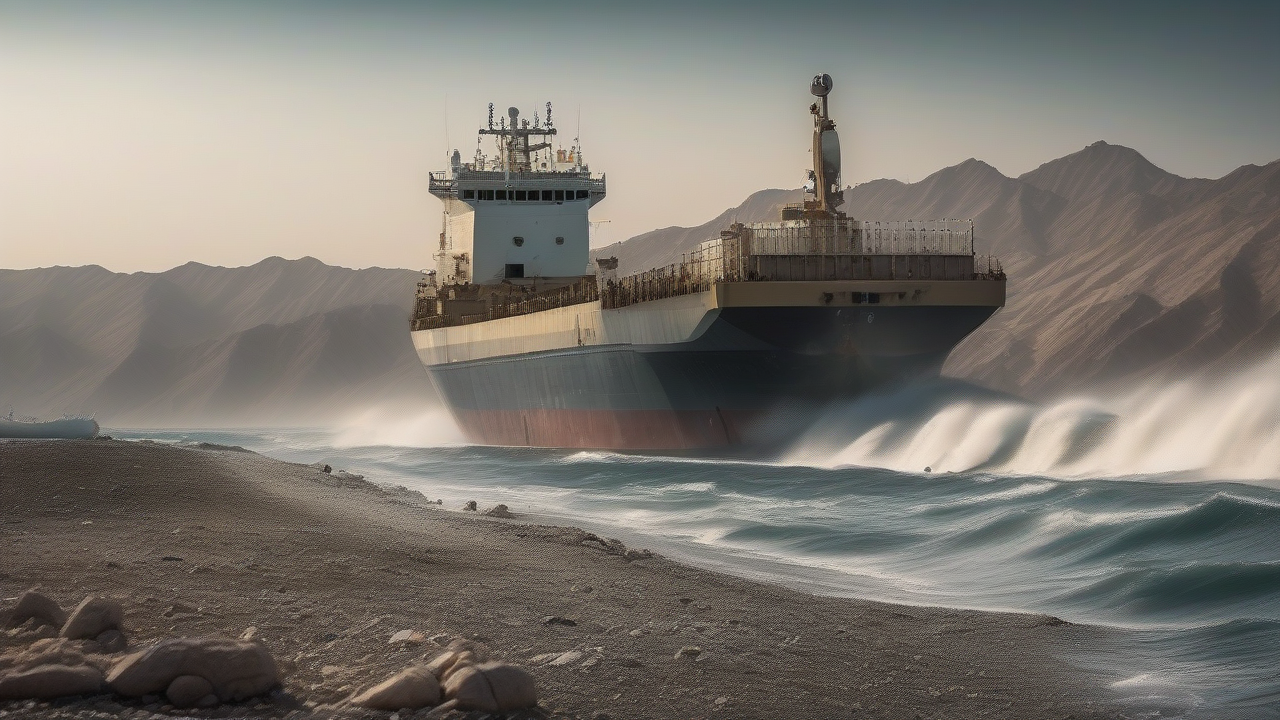
In a move that is being closely watched by international observers, Iran’s newly appointed supreme leader, Mojtaba Khamenei, has issued a statement outlining the country’s aggressive stance towards the United States and its allies in the region. According to reports from BBC World, Khamenei has vowed to block the strategic Strait of Hormuz, a vital waterway through which a significant portion of the world’s oil passes.
Implications of the Statement
Analysts note that this statement signals a significant escalation in tensions between Iran and the US, with potentially far-reaching consequences for global energy markets and regional stability. The Strait of Hormuz is a critical chokepoint, with approximately 20% of the world’s oil supply passing through it. Any disruption to shipping lanes in the area could have a profound impact on the global economy, observers point out. As reported by BBC World, Khamenei’s statement also indicates that Iran will continue to target US bases in the region, further increasing the likelihood of conflict.
Historical Context
This development is the latest in a long-standing history of tensions between Iran and the US, which have been exacerbated in recent years by disagreements over Iran’s nuclear program and US military presence in the region. Experts suggest that Khamenei’s aggressive stance may be an attempt to consolidate power and demonstrate his commitment to Iran’s hardline policies. The move also comes at a time when the region is already experiencing heightened instability, with ongoing conflicts in neighboring countries and a growing sense of unease among regional players.
Impact on Regional Stability
The potential blocking of the Strait of Hormuz would have significant implications for regional stability, as it would not only disrupt oil supplies but also limit the ability of countries in the region to access vital trade routes. This, in turn, could lead to a sharp increase in tensions between Iran and its neighbors, particularly those with significant economic interests in the region. According to sources, the US and its allies are closely monitoring the situation, with some analysts suggesting that a military response may be considered if Iran follows through on its threat.
Global Response
As the international community waits with bated breath to see how the situation will unfold, diplomats and leaders from around the world are urging calm and restraint. The United Nations has issued a statement calling for de-escalation and dialogue, while the European Union has expressed concern over the potential consequences of a conflict in the region. Observers point out that a peaceful resolution to the crisis will require careful diplomacy and a willingness to engage in constructive dialogue.
What to Watch Next
In the coming days and weeks, observers will be closely watching for any signs of escalation or de-escalation in the region. Key developments to watch include any further statements from Khamenei or other Iranian leaders, as well as the response of the US and its allies to the situation. Additionally, the impact of the crisis on global energy markets and regional stability will be closely monitored, with any significant disruptions or developments likely to have far-reaching consequences. As reported by BBC World, the situation remains highly volatile, and it is unclear how events will unfold in the near future.
Reader Comments