
Introduction to a Critical Waterway
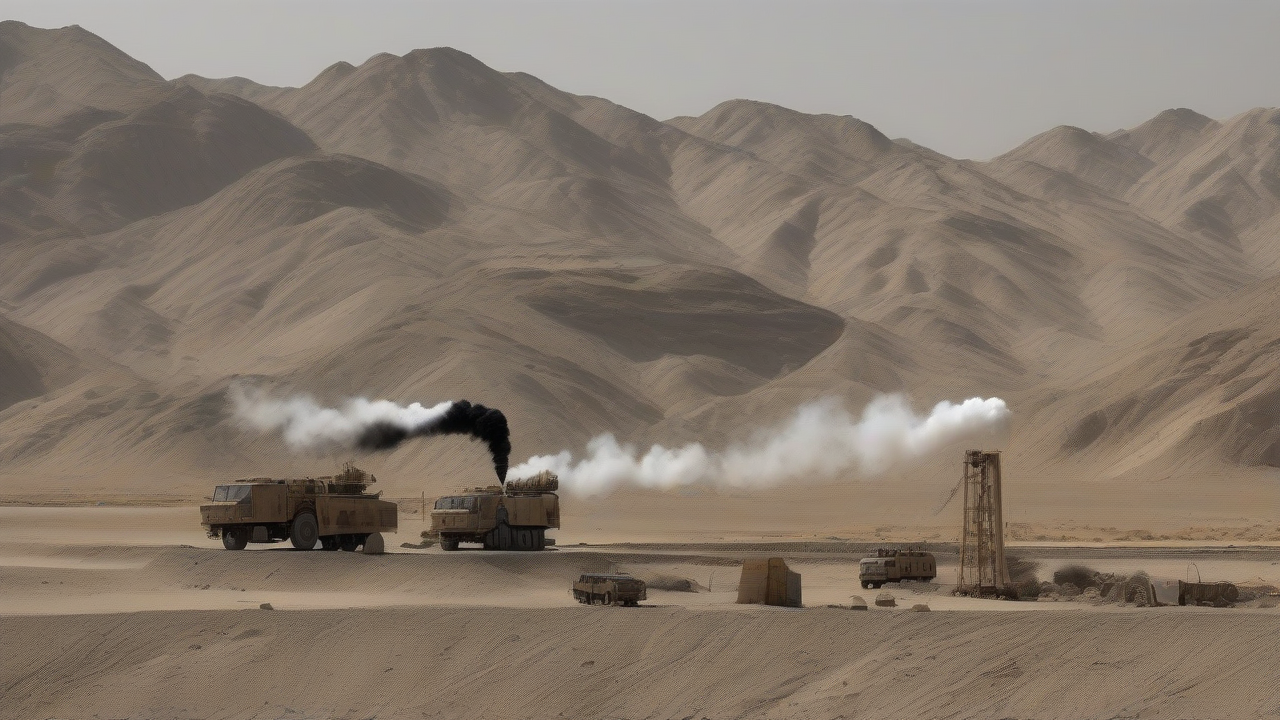
The Strait of Hormuz, a narrow waterway connecting the Persian Gulf to the Gulf of Oman, has become a focal point of concern for global oil markets and international relations. According to reports from FactCheck.org and Reuters, Iran’s ability to block this strait could have significant implications for the United States, affecting not only the country’s oil supply but also its geopolitical standing. Analysts note that such a move by Iran would be a strategic attempt to counter U.S. influence in the region.
The Importance of the Strait of Hormuz
The Strait of Hormuz is one of the world’s most critical waterways, with approximately 20% of the world’s oil passing through it. Observers point out that any disruption to oil shipments through this strait could lead to a significant increase in oil prices worldwide. As reported by The New York Times, Iran has a history of threatening Persian Gulf shipping, including the use of naval mines, which could potentially block the strait. This historical context suggests that Iran’s capabilities and intentions should not be underestimated.
Impact on the U.S.
The potential blocking of the Strait of Hormuz by Iran would have far-reaching consequences for the United States. Sources indicate that the U.S. relies heavily on imported oil, and any disruption to global oil supplies could lead to increased prices at the pump for American consumers. Furthermore, analysts note that the move could blunt U.S. firepower, as higher oil prices could strain the U.S. economy and limit its ability to project military power in the region. According to Axios, one of Iran’s most destructive weapons could threaten the U.S. in this scenario, highlighting the need for the U.S. to reassess its strategies in the region.
Broader Implications
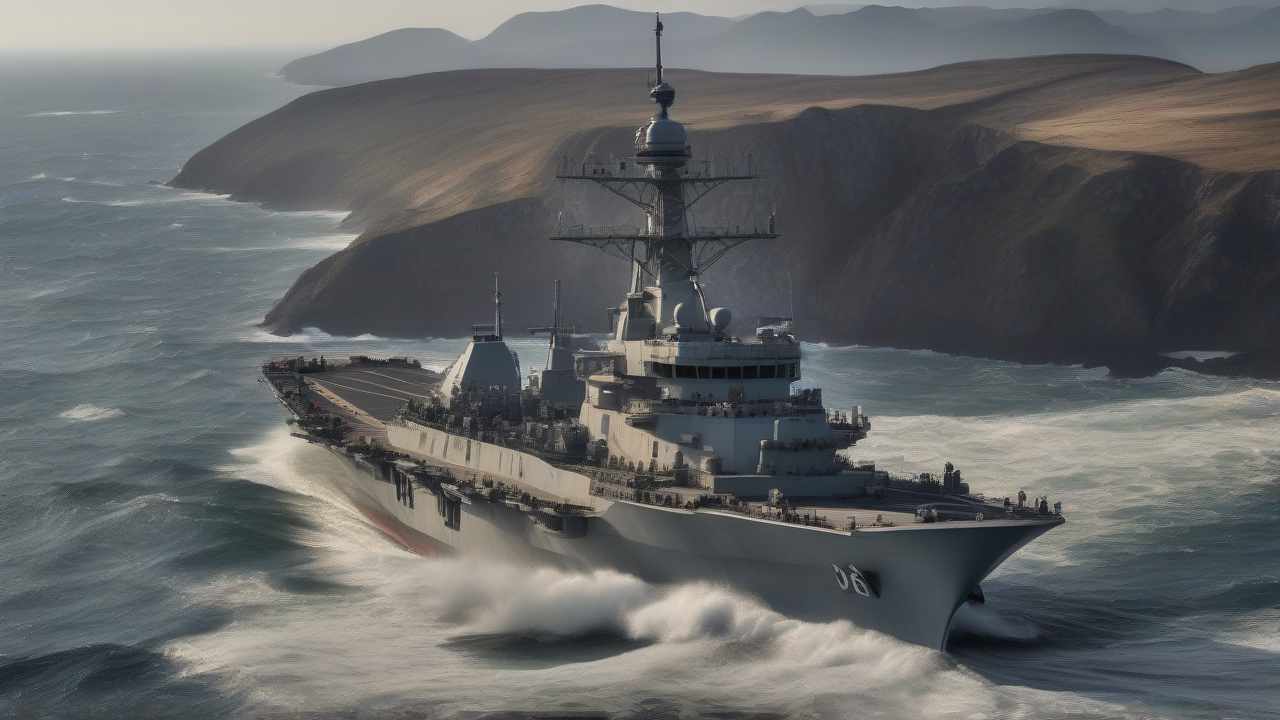
The situation underscores the complexities of U.S.-Iran relations and the broader geopolitical dynamics at play in the Middle East. Experts point out that the conflict over the Strait of Hormuz is not just about oil; it’s also about regional influence and the balance of power. The U.S. has historically maintained a significant military presence in the region to ensure the free flow of oil and to counter Iranian influence. However, as reported by USNI News, the ongoing conflict and Iran’s naval capabilities suggest that the U.S. may need to adapt its approach to maintain stability in the region.
Looking Ahead
As tensions between the U.S. and Iran continue to escalate, observers are watching closely for any signs of further conflict. The upcoming months will be critical, with analysts awaiting the release of further reports to Congress on the Iran conflict and the Strait of Hormuz. According to sources, any future developments in the region could have significant implications for global oil markets and international relations. As such, the situation demands close monitoring, with the international community awaiting the next moves from both the U.S. and Iran. The stakes are high, and the world is watching to see how this critical situation unfolds.
Reader Comments