
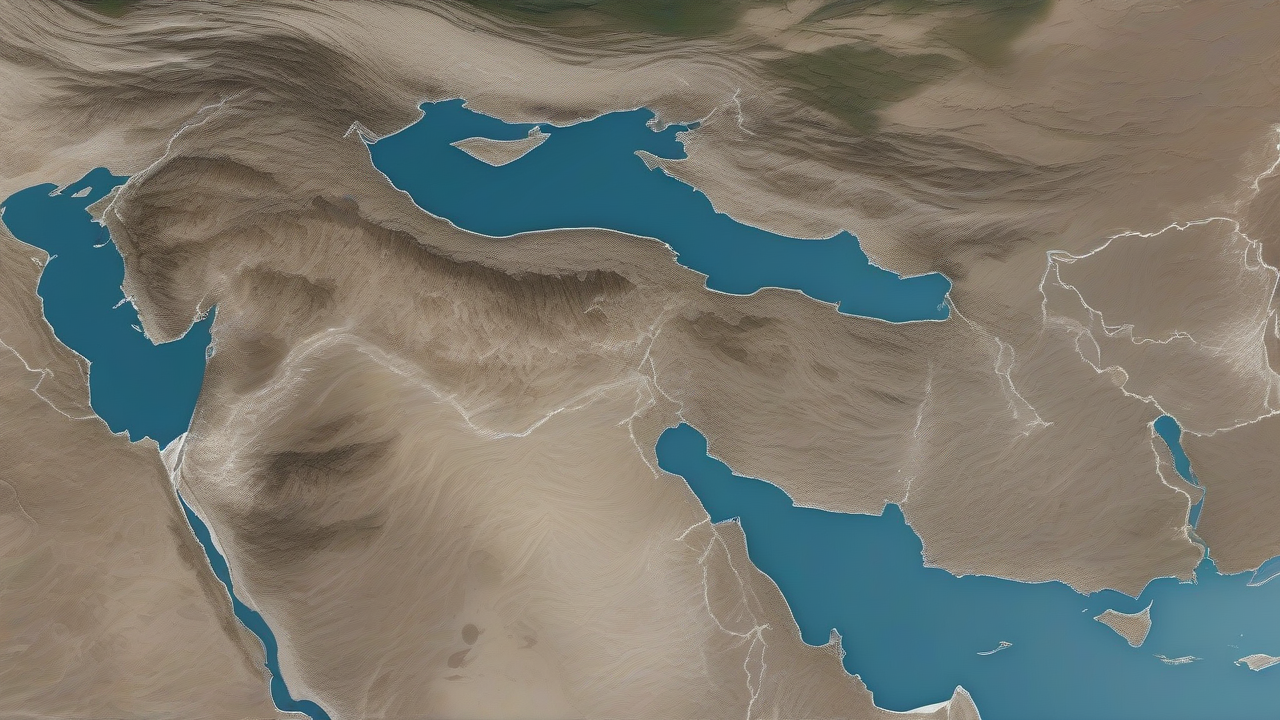
Global Oil Market Braces for Potential Shock as Iran Threatens Strait of Hormuz Closure
The global oil market is on high alert as Iran’s new supreme leader has vowed to continue blocking the Strait of Hormuz, a critical waterway through which a significant portion of the world’s oil passes. According to reports from NBC News and Al Jazeera, this move could lead to a substantial increase in oil prices, with some predictions suggesting a potential spike to $200 per barrel. As reported by The Hill, this would have far-reaching consequences for the global economy.
Rising Tensions and Oil Prices
The situation in the Gulf has escalated in recent days, with attacks reported on three more cargo ships, as noted by BBC. This has led to a surge in oil prices, which are now back near $100 per barrel. Analysts note that the closure of the Strait of Hormuz would severely disrupt global oil supplies, leading to a significant increase in prices. Observers point out that this would have a devastating impact on the global economy, particularly for countries that rely heavily on oil imports.
Why It Matters
The Strait of Hormuz is a vital waterway, with approximately 20% of the world’s oil passing through it. A closure would not only affect the global oil market but also have significant geopolitical implications. Experts suggest that this move by Iran is an attempt to use the closure as leverage, as reported by PBS. The move signals a new level of aggression from Iran, which could lead to further escalation in the region.
Impact on the Global Economy
The potential closure of the Strait of Hormuz would have a profound impact on the global economy. As reported by Al Jazeera, Iran’s supreme leader has stated that not “a litre of oil” would pass through the strait, leading to a potential price tag of $200 per barrel. This would lead to increased costs for consumers, businesses, and industries that rely on oil, ultimately affecting economic growth and stability. Sources indicate that this could lead to a global recession, with far-reaching consequences for trade, employment, and economic development.
What to Watch Next
As the situation continues to unfold, observers will be closely watching the actions of Iran’s new supreme leader and the response from the international community. According to sources, the next few days will be critical in determining the outcome of this situation. The global oil market will be closely monitoring the situation, and any further escalation could lead to significant price increases. As reported by The Hill, the world may be on the brink of a major oil shock, with potentially devastating consequences for the global economy.

Reader Comments