
Escalating Tensions in the Middle East
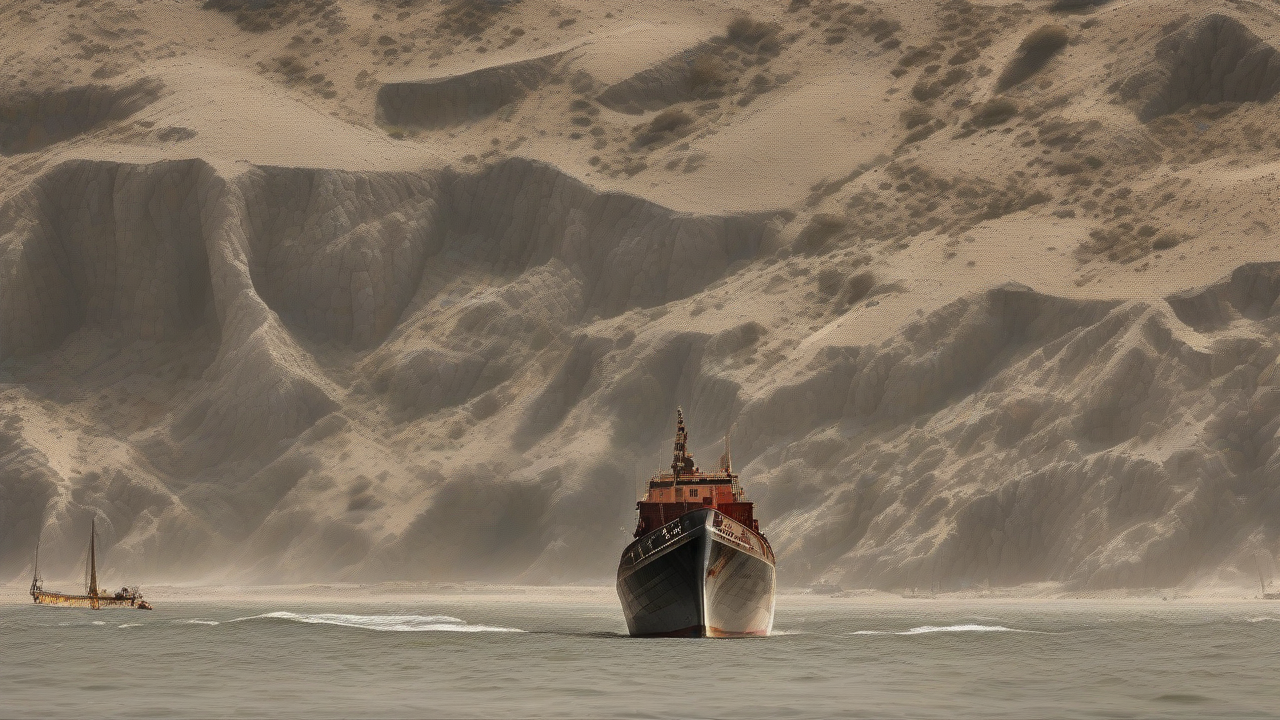
The Strait of Hormuz, a critical waterway for global oil trade, has become a focal point in the escalating conflict between Iran and its adversaries, with Iran’s new supreme leader emphasizing its strategic importance as a “tool to pressure the enemy.” According to reports from CNBC, this stance underscores the leader’s commitment to leveraging the Strait as a means of exerting influence and control in the region.
Context and Implications
Observers note that the Strait of Hormuz is a vital chokepoint for international oil shipments, with a significant portion of the world’s crude oil passing through it. The new supreme leader’s statement, as reported by Axios, suggests that Iran is willing to use its control over the Strait as a bargaining chip in its conflict with the United States and Israel. Analysts point out that such a move could have far-reaching consequences for the global economy, potentially leading to increased oil prices and market volatility.
Statements from Iranian Leadership
As reported by Al Jazeera, Iran’s supreme leader has also issued a warning to the United States, stating that US bases will be attacked unless they are closed. This threat has raised concerns about the potential for further escalation in the conflict. Meanwhile, CNN has reported that the new supreme leader suffered injuries on the first day of the war, including a fractured foot and face lacerations. Despite these reports, the leader has continued to issue statements, including one purportedly from the leader himself, as reported by NPR.
Impact on Global Trade and Security
The ongoing conflict in the Middle East has significant implications for global trade and security. The closure of the Strait of Hormuz could disrupt oil supplies, leading to economic instability and potentially even shortages. Additionally, the threat of attacks on US bases and other targets raises concerns about the safety of personnel and civilians in the region. Experts note that the situation is highly volatile and that a peaceful resolution will require careful diplomacy and negotiation.
What to Watch Next
As the situation continues to unfold, observers will be watching for signs of escalation or de-escalation in the conflict. Key developments to watch include any further statements from Iranian leadership, as well as responses from the United States and Israel. The international community will also be closely monitoring the situation in the Strait of Hormuz, with any disruption to oil shipments likely to have significant economic implications. According to sources, the next few days will be critical in determining the trajectory of the conflict, with analysts warning that the situation could deteriorate rapidly if a peaceful resolution is not found.
Reader Comments