
Escalating Tensions in the Middle East
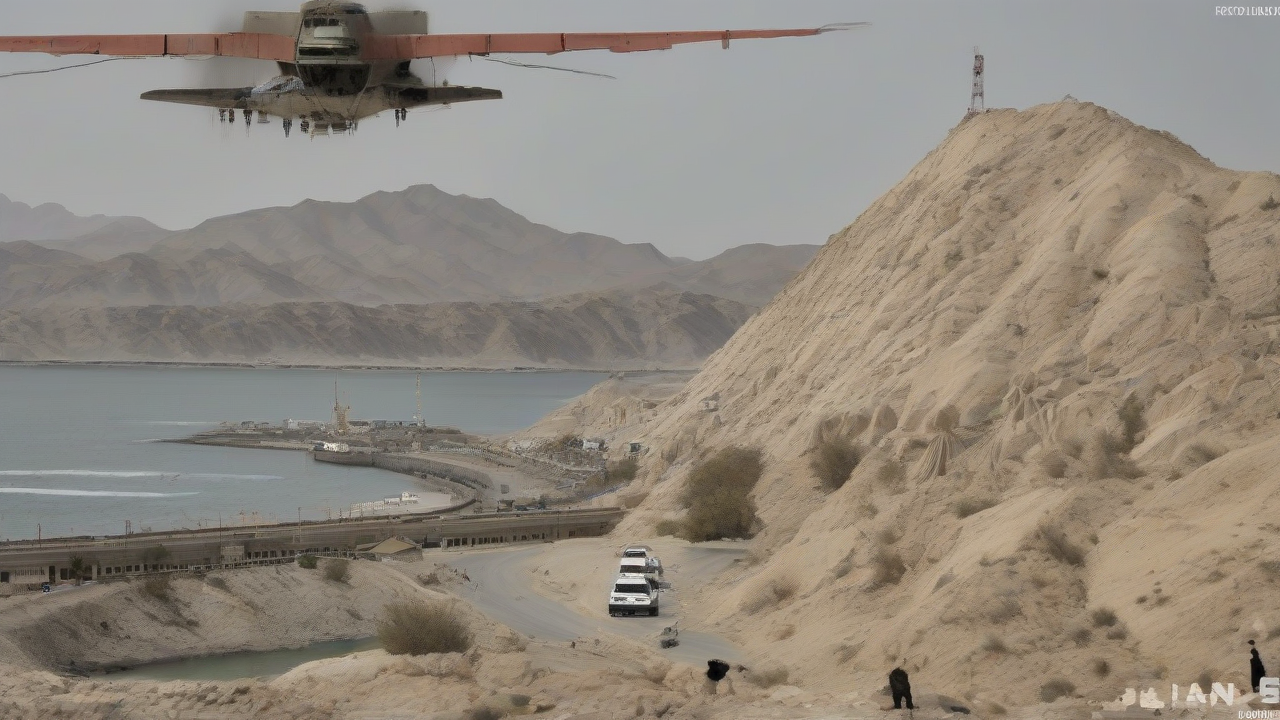
A former commander of Iran’s Islamic Revolutionary Guard Corps (IRGC) has made a startling statement, claiming that the Strait of Hormuz, a critical waterway for global oil trade, “will not reopen.” This declaration, as reported by The Jerusalem Post, comes amid escalating tensions between Iran and the US-Israeli alliance. According to Le Monde.fr, Iranian officials have expressed readiness for a prolonged conflict that could potentially “destroy” the global economy.
A Defiant Iran
Iran’s stance has become increasingly defiant in the face of mounting pressure from the US and Israel. The Guardian notes that this defiance is a response to the perceived onslaught by these two nations. The situation has raised concerns about the potential for a long and devastating war. CNBC, in its Daily Open report, suggests that a prolonged conflict in Iran is now on the horizon, posing significant risks to global economic stability.
Economic Implications
The Wall Street Journal observes that Iran is employing a guerrilla-style assault on the global economy, targeting critical infrastructure like the Strait of Hormuz to exert pressure on its adversaries. This strategy aims to disrupt global oil supplies, which could lead to a sharp increase in oil prices and have a cascading effect on the world economy. As reported by CNBC, the potential for such a conflict to drag on for an extended period has investors and policymakers on high alert.
Analysts’ Perspective
Analysts note that the closure of the Strait of Hormuz would have far-reaching consequences, affecting not just the regional economy but also having a significant impact on global trade. Observers point out that such a move would signal a major escalation in the conflict, with unpredictable outcomes. The move signals a willingness by Iran to use its strategic position to influence global events, according to sources indicating a deepening crisis.
Impact on Global Trade
The stakes are high, with the potential for widespread economic disruption. A prolonged closure of the Strait of Hormuz would affect oil imports for many countries, leading to increased prices and potential shortages. This, in turn, could lead to inflation, reduced economic growth, and increased unemployment in affected nations. The implications are not limited to the economic sphere; such a conflict could also have geopolitical ramifications, potentially drawing in other nations and escalating the situation further.
What to Watch Next
As the situation continues to unfold, observers will be watching for any signs of de-escalation or further escalation. Key areas of focus include diplomatic efforts to resolve the conflict, military movements in the region, and the economic impacts of the crisis. Upcoming decisions by major world powers, including the US, Israel, and European nations, will be crucial in determining the trajectory of the conflict. According to sources, the next few weeks will be critical in assessing whether a path to peace can be found or if the region is headed for a prolonged and devastating war.
Reader Comments