
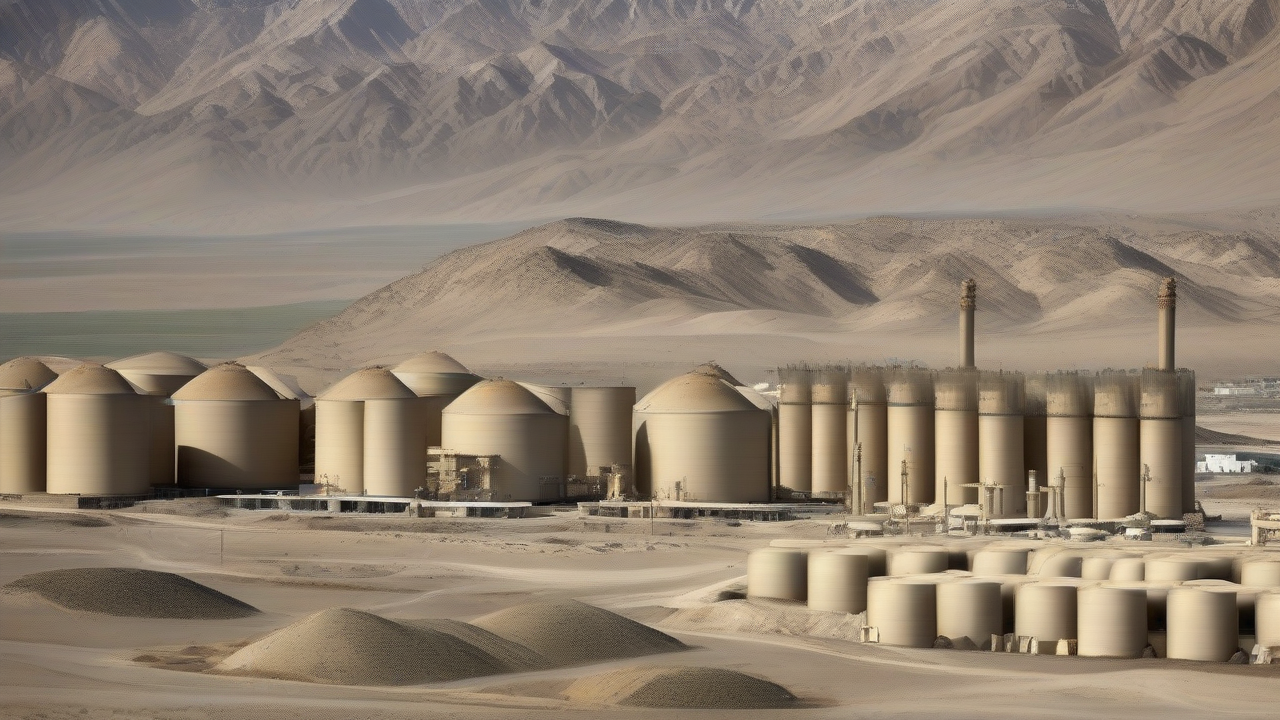
Global Oil Markets on High Alert
The threat of Iranian mines in the Strait of Hormuz is sparking concerns among oil traders and shipping companies, as reported by NPR. This critical waterway, which connects the Persian Gulf to the Arabian Sea, is a vital passage for international oil trade. According to experts, the fear of mines could lead to a significant slowdown in oil shipments, exacerbating existing tensions in the global energy market.
Strategic Importance of the Strait
The Strait of Hormuz is a chokepoint for global oil trade, with approximately 20% of the world’s oil passing through it every day. As The New York Times explains, Iran’s ability to block or disrupt traffic in the strait gives it considerable leverage over the global oil supply. The strait’s narrow width and shallow depth make it an ideal location for mining, which could severely impact oil tankers and other vessels.
Economic Implications
The potential closure of the Strait of Hormuz could have far-reaching economic consequences, as noted by Axios. A disruption to oil supplies would lead to higher prices, affecting not only the energy sector but also the broader economy. Consumers could face increased costs for gasoline, diesel, and other petroleum products, while industries reliant on oil, such as transportation and manufacturing, might experience significant disruptions.
Iranian Perspectives
Despite concerns about the strait’s closure, a diplomat from Tehran told Euronews.com that Iran does not intend to block the waterway. However, the presence of mines and the threat of military action continue to unsettle the international community. As Reuters reports, the closure of the Strait of Hormuz would have a profound impact on global oil supply, with potential consequences for economic stability and geopolitical relations.
Impact on Global Oil Supply
The Strait of Hormuz is a critical component of the global oil supply chain, with many countries relying on it for their energy needs. According to observers, a disruption to oil shipments through the strait could lead to a shortage of crude oil, forcing countries to seek alternative suppliers or rely on strategic reserves. Analysts note that this could lead to a surge in oil prices, affecting not only the energy sector but also the broader economy.
What to Watch Next
As the situation in the Strait of Hormuz continues to unfold, observers will be closely monitoring developments in the region. Upcoming diplomatic efforts, naval deployments, and statements from Iranian officials will be crucial in determining the trajectory of the crisis. With the global oil market already facing significant uncertainties, the potential for a disruption in the Strait of Hormuz adds an extra layer of complexity, making it essential to watch for updates on this critical situation. According to sources, the next few weeks will be crucial in determining the outcome of this crisis, and the international community will be closely watching for any signs of escalation or de-escalation.


Reader Comments