
Global Oil Supplies Under Threat
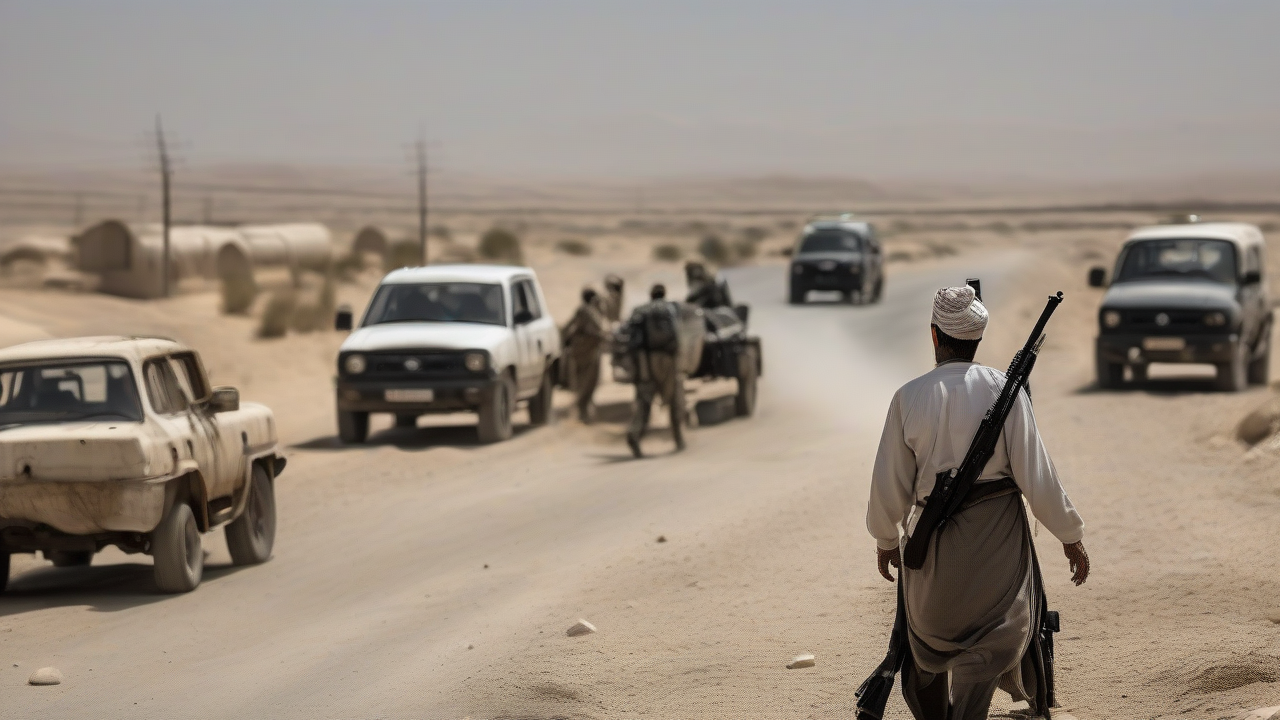
The Strait of Hormuz, a critical waterway connecting the Persian Gulf to the Arabian Sea, has become a focal point of geopolitical tension, with Iran’s actions in the region potentially crippling global oil and gas supplies. According to a visual guide published by The Guardian, Iran has been using the strait to throttle oil and gas shipments, highlighting the vulnerability of the global energy market.
Economic Implications
Analysts note that a closure of the Strait of Hormuz could have far-reaching consequences for the global economy, as reported by CNBC. The strait is a vital oil choke point, with approximately 20% of the world’s oil passing through it. A disruption to shipping in the region could lead to a significant increase in oil prices, having a ripple effect on the global economy. As AP News points out, reopening the strait is a big challenge, making it essential to find alternative solutions to secure shipping through the region.
Shipping Challenges
Observers point out that the diversion of containers due to the closure of the Strait of Hormuz has resulted in a surge of traffic in Middle East ports, as reported by the Journal of Commerce. This has put a strain on the regional shipping infrastructure, leading to delays and increased costs for shipping companies. Furthermore, the challenges in securing shipping through the Strait of Hormuz are complex, involving a combination of military, diplomatic, and economic factors, according to Reuters.
Impact on Global Trade
The potential closure of the Strait of Hormuz has significant implications for global trade, with the region playing a critical role in the supply of oil and gas to countries around the world. Experts warn that a disruption to shipping in the region could lead to shortages and price increases, affecting not only the energy sector but also other industries that rely on oil and gas. As the situation continues to unfold, it is essential to monitor developments in the region and assess the potential impact on global trade.
What to Watch Next
In the coming weeks and months, it will be crucial to watch for any developments in the region that could affect the stability of the Strait of Hormuz. This includes any changes in Iran’s stance on the region, as well as efforts by other countries to secure shipping through the strait. Additionally, the impact of the situation on global oil prices and the broader economy will be closely monitored, with analysts warning of potential economic instability if the situation is not resolved. As reported by various news sources, including The Guardian, CNBC, and AP News, the situation in the Strait of Hormuz remains a critical issue, with significant implications for global oil supplies and the economy.

Reader Comments