
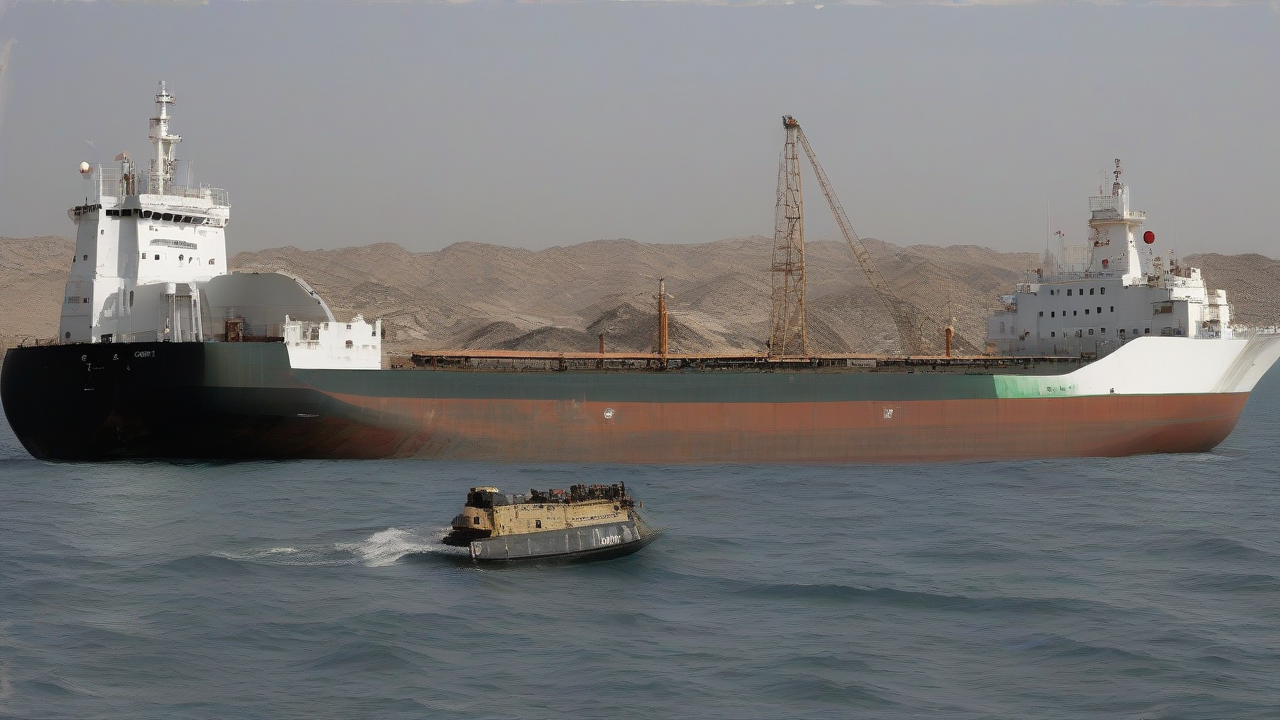
Escalating Tensions in the Strait of Hormuz
A recent strike on a Thai tanker in the Strait of Hormuz has raised concerns that Iran may be sending a message to the United States, according to analysts. This incident is the latest in a series of attacks on ships in the region, which has become a critical flashpoint in the escalating conflict between Iran and the US.
A Pattern of Aggression
The attack on the Thai tanker is part of a larger pattern of aggression by Iran in the region, as reported by CBS News. Iranian forces have been targeting ships in the Strait of Hormuz, a vital waterway that connects the Persian Gulf to the Arabian Sea and is a key route for oil exports. The strikes have been carried out against a variety of vessels, including container ships and tankers, and have been reported by multiple news outlets, including Fox News and Reuters.
Implications for Global Oil Markets
The attacks on ships in the Strait of Hormuz have significant implications for global oil markets, observers point out. The Strait is a critical chokepoint for oil exports, with millions of barrels of oil passing through it every day. As reported by BBC, the attacks have already begun to impact oil prices, with some analysts warning of potential shortages and price spikes if the situation continues to escalate.
A Message to the US?
Analysts note that the strike on the Thai tanker may be a deliberate attempt by Iran to send a message to the US, as reported by CBS News. The attack comes amid rising tensions between the two countries, which have been exacerbated by a series of incidents in the region, including the downing of a US drone and the seizure of a British tanker. According to sources, the US has been working to build a coalition to protect shipping in the region, but the situation remains volatile.
Humanitarian Concerns
The attacks on ships in the Strait of Hormuz also raise humanitarian concerns, as they put the lives of crew members and passengers at risk. As reported by CNN, the attacks have already resulted in injuries and damage to vessels, and there are fears that the situation could escalate further, leading to more severe consequences.
What’s Next?
As the situation in the Strait of Hormuz continues to unfold, observers will be watching closely for any signs of escalation or de-escalation. According to Reuters, the US and its allies are working to develop a plan to protect shipping in the region, but the details of the plan remain unclear. Meanwhile, Iran has shown no signs of backing down, and the situation remains highly volatile. As the conflict continues to simmer, one thing is clear: the stakes are high, and the consequences of further escalation could be severe.
Regional Implications
The conflict in the Strait of Hormuz has significant implications for the region as a whole, analysts note. The attacks on ships have already begun to impact the economies of countries in the region, and there are fears that the situation could lead to a wider conflict. As reported by Fox News, the US has been working to build a coalition to counter Iranian aggression, but the situation remains complex and multifaceted.
International Response
The international community has been slow to respond to the crisis in the Strait of Hormuz, observers point out. According to sources, the US and its allies have been working to develop a plan to protect shipping in the region, but the details of the plan remain unclear. Meanwhile, other countries in the region, including Saudi Arabia and the United Arab Emirates, have been taking steps to protect their own shipping interests. As the situation continues to unfold, it remains to be seen how the international community will respond to the crisis.
Reader Comments