
Escalating Tensions in the Middle East
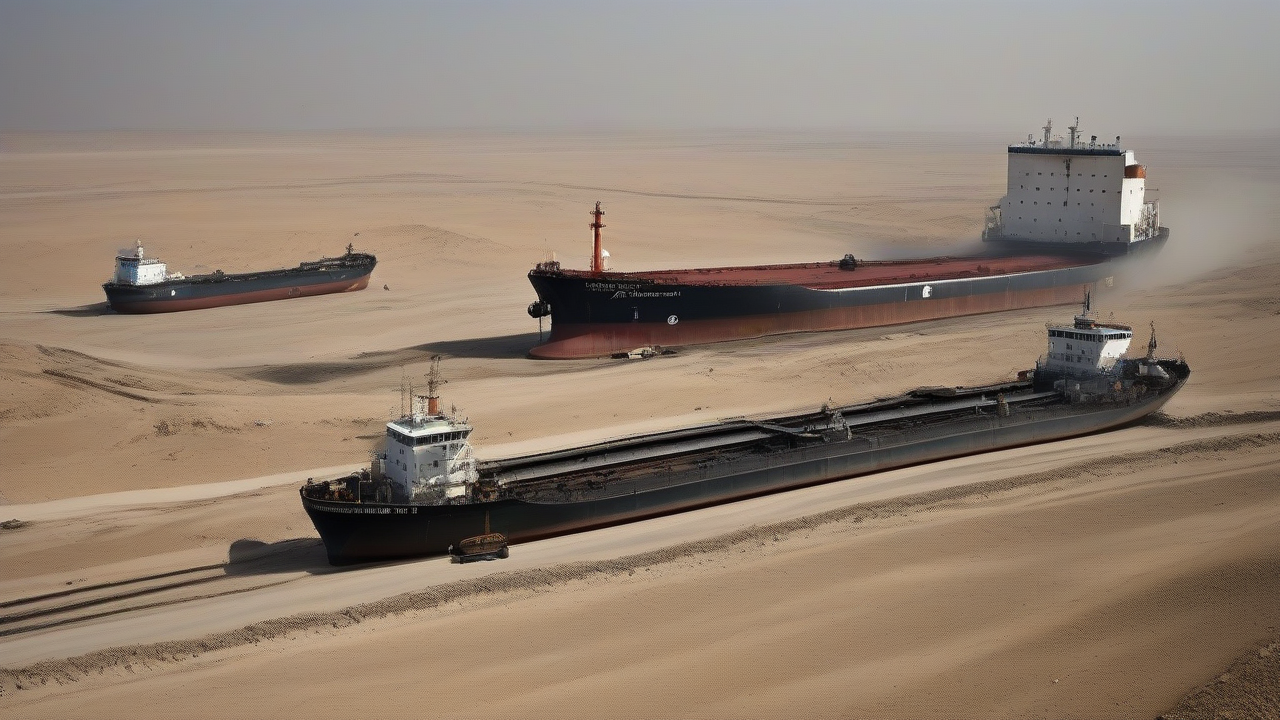
The Middle East is witnessing a significant escalation in tensions, with reports emerging of Iraqi tankers being targeted by sea drones, as reported by Reuters. This development comes as Iran is believed to be targeting oil supplies in the region, according to The Guardian. The attacks have resulted in the suspension of oil terminals in Iraqi waters, as noted by Bloomberg.
Impact on Global Oil Markets
The move by Iran to target oil supplies has sent shockwaves through global oil markets, with prices experiencing a significant surge. In an effort to calm the markets, the US has ordered the release of petroleum from its strategic reserve, as reported by The Guardian. This decision is seen as an attempt to stabilize the global energy market and mitigate the effects of the escalating conflict in the Middle East.
Humanitarian Concerns
The attacks on oil tankers have also raised humanitarian concerns, with over 20 crew members being rescued from an attacked foreign oil tanker, according to a report by Anadolu Ajansı. The incident highlights the risks faced by crew members and the potential for loss of life in such attacks. Observers point out that the targeting of oil tankers and crew members is a violation of international law and poses a significant threat to global security.
Broader Implications
Analysts note that the escalating tensions in the Middle East have far-reaching implications for global energy security and the economy. The region is a critical supplier of oil to the global market, and any disruption to supplies can have significant consequences for prices and economic stability. The move by the US to release petroleum from its strategic reserve is seen as a signal of its commitment to maintaining stability in the global energy market.
Regional Dynamics
The attacks on Iraqi tankers are also seen as a reflection of the complex regional dynamics at play in the Middle East. The conflict between Iran and other regional players has been escalating in recent months, with observers pointing out that the situation is becoming increasingly volatile. The targeting of oil supplies is seen as a strategic move by Iran to exert pressure on its adversaries and gain leverage in the region.
What to Watch Next
As the situation in the Middle East continues to unfold, observers will be watching closely for any further developments. The US decision to release petroleum from its strategic reserve is seen as a short-term measure to calm the markets, but the long-term implications of the conflict are still uncertain. Upcoming decisions by major oil-producing countries and the response of the international community to the escalating tensions will be critical in determining the trajectory of the conflict and its impact on global energy security. According to sources, the next few days will be crucial in determining the course of the conflict, and all eyes will be on the region as the situation continues to evolve.
Reader Comments