
Recent Airstrikes Leave Iranian Air Force in Shambles
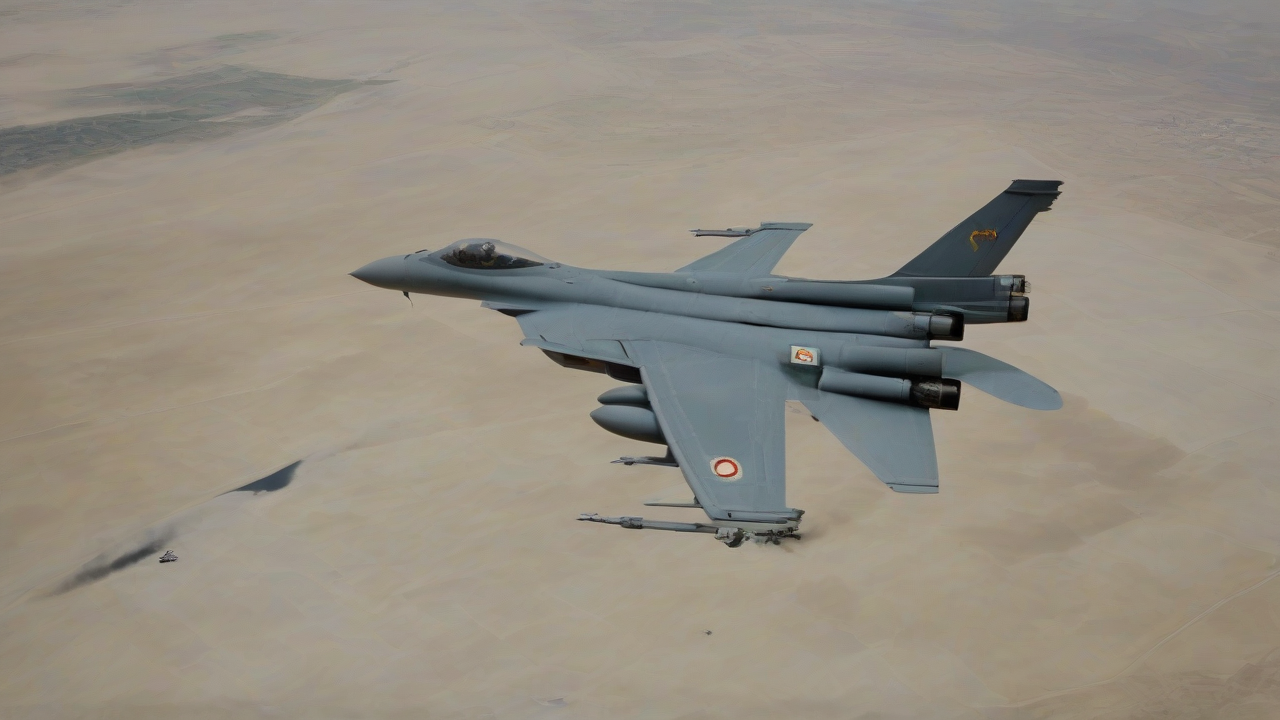
The Iranian air force has suffered a significant blow, with recent airstrikes targeting and destroying several of its vintage American-made F-14 Tomcats, according to satellite images obtained by various news outlets, including Business Insider. This development comes as part of a larger conflict involving the region, with multiple strikes reported in Beirut, ship attacks near the Strait of Hormuz, and disruptions to oil supply chains, as reported by The New York Times.
Broader Implications of the Conflict
Analysts note that the destruction of Iran’s F-14 Tomcats, which were a cornerstone of the country’s air defense capabilities, signals a substantial weakening of its military prowess. Observers point out that the F-14 Tomcats, although vintage, played a crucial role in Iran’s defense strategy due to their advanced capabilities for their time. The loss of these aircraft will likely have significant implications for the balance of power in the region, especially considering the ongoing tensions and conflicts involving Iran and its neighbors.
Impact on Civilian Populations
The airstrikes and subsequent destruction of oil depots in Tehran have also had a devastating impact on civilian populations. As reported by The Guardian, Iranians describe the scenes following the bombings as “dark, like our future,” highlighting the human cost of the conflict. The creation of toxic clouds over Tehran, as noted by Reuters, further exacerbates the humanitarian crisis, posing serious health risks to the local population. Experts warn that the environmental and health consequences of such attacks can be long-lasting and far-reaching.
Ongoing Military Operations
The Israeli Defense Forces (IDF) have announced the launch of a new wave of “extensive” strikes on regime sites in Tehran, as reported by The Times of Israel. This escalation indicates that the conflict is unlikely to subside in the near future, with both sides engaging in intense military operations. The strategic importance of the Strait of Hormuz, a critical oil supply route, makes the situation even more volatile, with potential global implications for energy markets and geopolitical stability.
Looking Ahead
As the situation continues to unfold, observers are closely watching the developments in the region. The upcoming days will be crucial in determining the trajectory of the conflict, with potential decisions from international bodies, further military actions, and diplomatic efforts likely to shape the outcome. According to sources, the international community is urging restraint and calling for a peaceful resolution to the conflict, but the path forward remains uncertain. Analysts suggest that any lasting solution will require a comprehensive approach, addressing the underlying issues and tensions that have led to the current crisis.
Regional and Global Ramifications
The conflict’s impact on regional stability and global oil markets cannot be overstated. With the Strait of Hormuz being a pivotal passage for oil tankers, any disruption can lead to significant economic repercussions worldwide. Experts are warning of potential price hikes and supply chain disruptions, which could affect economies globally. The involvement of multiple countries and the complexity of the issues at play make finding a resolution challenging, but necessary to prevent further escalation and humanitarian suffering. As the world watches the developments in the region, one thing is clear: the need for a peaceful and sustainable solution is paramount.

Reader Comments