
Escalating Tensions in Iran
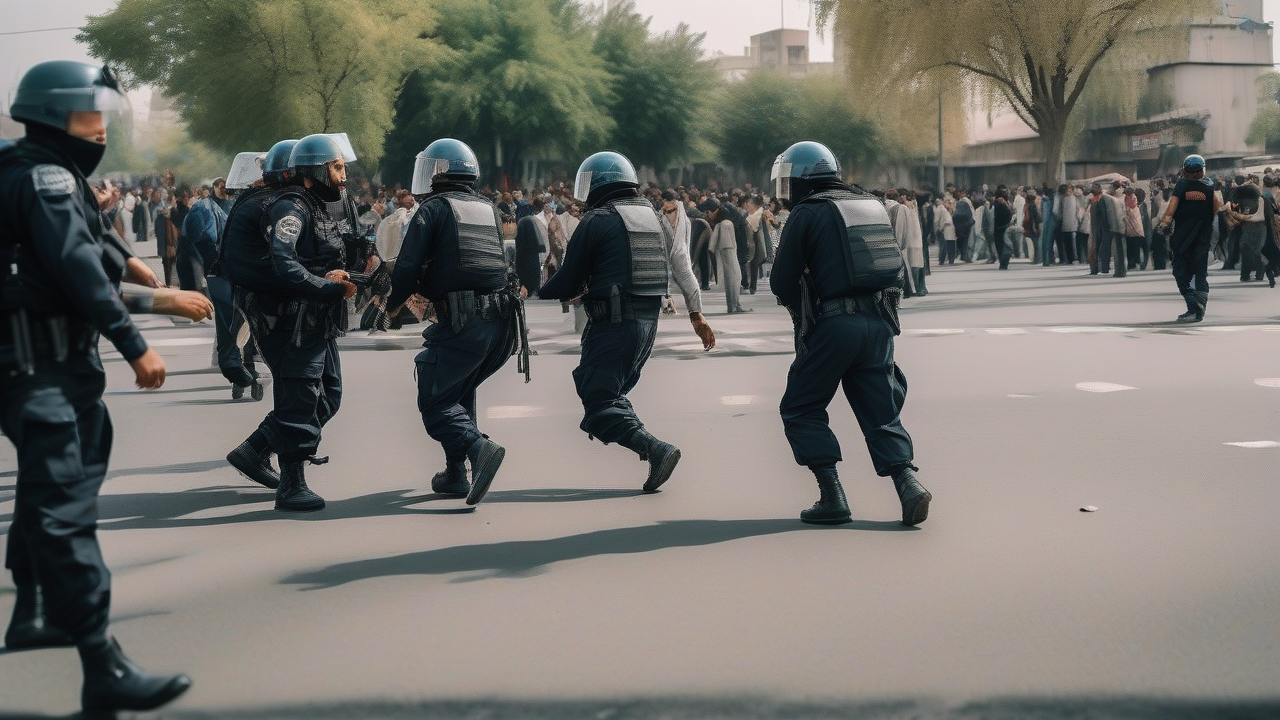
A stark warning has been issued by Iran’s police chief, signaling a potential escalation in the government’s response to public demonstrations. According to a report by BBC World, the police chief has stated that individuals taking to the streets at the behest of perceived enemies of the state will be treated as adversaries themselves. This declaration comes amidst a backdrop of heightened tensions and increasing calls for action from various segments of the Iranian population.
Context and Implications
Observers point out that such warnings are not uncommon in Iran, particularly during periods of social unrest. However, the explicit nature of this threat suggests a heightened sense of alertness among the authorities. Analysts note that the move signals a concerted effort by the government to deter people from participating in protests, which have been a significant feature of Iranian political life in recent years. The implications of this warning are far-reaching, as it potentially criminalizes a wide range of activities, from peaceful protests to online activism, if they are deemed to be inspired by “enemies” of the state.
Impact on the Population
The warning is likely to have a chilling effect on freedom of expression and assembly in Iran. As reported by BBC World, the police chief’s statement implies that the threshold for what constitutes an “enemy” action is low, potentially encompassing a broad spectrum of dissenting voices. This could lead to increased self-censorship and a decrease in public participation in political life, as individuals may fear being labeled as enemies of the state. The move also underscores the government’s resolve to maintain control and quell dissent, even if it means resorting to harsh measures.
International Perspective
The international community is watching the situation in Iran with keen interest. According to sources, human rights organizations and foreign governments have expressed concern over the Iranian government’s handling of protests and its treatment of political activists. The police chief’s warning is seen as a further indication of the government’s hardline stance, which could strain relations with Western countries and other nations that prioritize human rights and democratic freedoms.
What to Watch Next
In the coming days and weeks, it will be crucial to monitor the response of the Iranian population to the police chief’s warning. Will the threat of being treated as an “enemy” deter people from taking to the streets, or will it galvanize further resistance? Additionally, the international community’s reaction will be important to watch, as any significant escalation in tensions could lead to diplomatic fallout and potential economic consequences for Iran. As the situation continues to unfold, observers will be looking for signs of whether the government’s strategy will succeed in quelling dissent or if it will ultimately backfire, leading to even greater unrest.

Reader Comments