
Escalating Conflict: Iran War Sees Significant Losses for IRGC
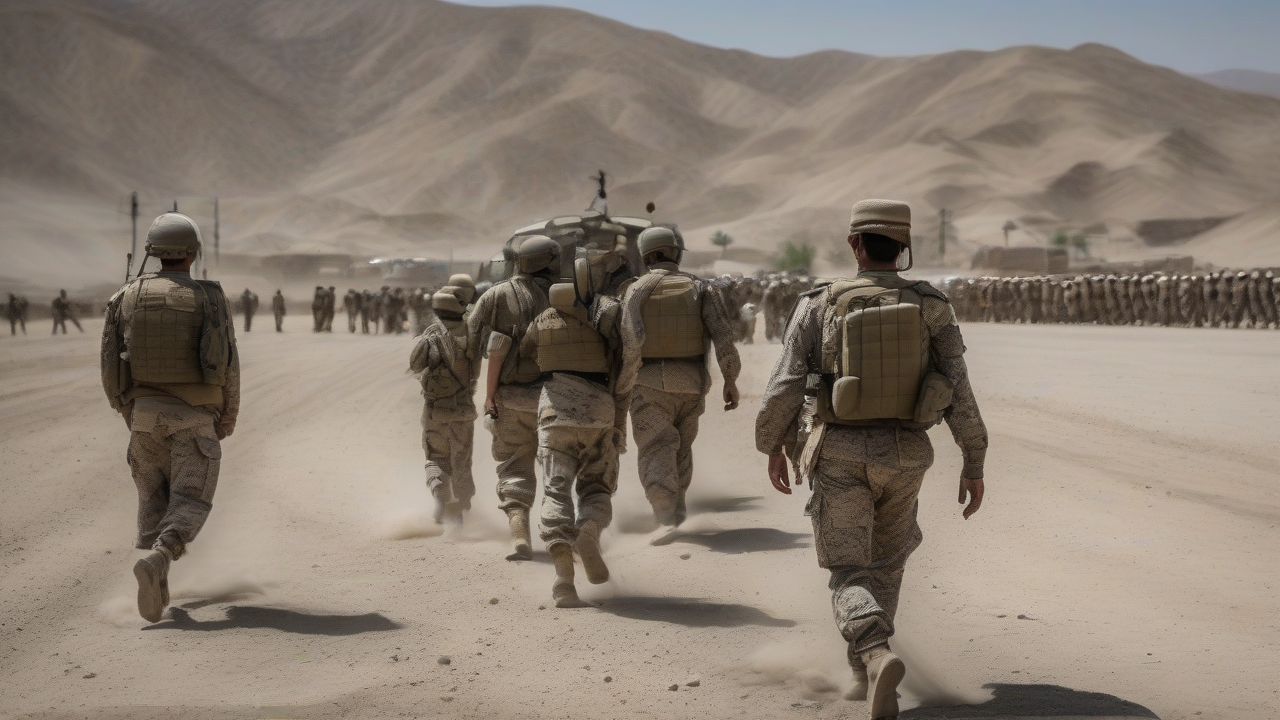
The ongoing conflict between Israel and Iran has resulted in substantial casualties for the Islamic Revolutionary Guard Corps (IRGC), with reports indicating that over 6,000 members have been killed since the start of the war, as reported by The Jerusalem Post. This significant loss underscores the intensity of the conflict, which has been marked by relentless airstrikes and a prolonged military campaign.
Context and Implications
Observers point out that the war between Israel and Iran is not just a regional conflict but has far-reaching implications for global security and stability. The involvement of major world powers, including the United States, and the discussion of strategic locations like the Strait of Hormuz by leaders such as Trump and Starmer, highlight the potential for this conflict to escalate into a broader international crisis. Analysts note that the systematic targeting of Iran’s defense industry and infrastructure, such as fuel depots, which the Iranian foreign minister has termed as ‘ecocide’, suggests a long-term strategy aimed at weakening Iran’s military capabilities.
Military Strategies and Objectives
According to sources, including Reuters and The Times of Israel, Israel has outlined plans for an extended military operation, potentially lasting at least three weeks, aimed at degrading Iran’s defense capabilities. This strategy involves identifying and targeting thousands of sites within Iran, indicating a comprehensive approach to dismantling the country’s military infrastructure. The Israeli Defense Forces (IDF) are reportedly planning to continue operations to systematically weaken Iran’s ability to respond to airstrikes and other military maneuvers.
Humanitarian and Environmental Concerns
The conflict has also raised significant humanitarian and environmental concerns. The targeting of fuel depots and other industrial sites has led to accusations of ‘ecocide’ by the Iranian foreign minister, as reported by The Guardian. This highlights the potential for long-term environmental damage and the need for careful consideration of the consequences of military actions on civilian populations and the environment.
Looking Ahead
As the conflict continues, observers are watching for several key developments. The ability of Iran to withstand the prolonged military campaign and the effectiveness of Israel’s strategy in degrading Iran’s military capabilities will be crucial in determining the outcome of the conflict. Additionally, the involvement of other nations and the potential for the conflict to spread beyond the region will be closely monitored. Upcoming diplomatic efforts, including discussions between world leaders about the Strait of Hormuz, will also be significant in understanding the trajectory of this conflict. According to BBC, the discussions between Trump and Starmer signal an attempt to navigate the geopolitical implications of the war, underscoring the complexity and the multifaceted nature of the conflict.
Conclusion and Future Developments
The situation between Israel and Iran remains volatile, with significant military and geopolitical implications. As reported by various sources, including The Jerusalem Post and Reuters, the conflict has already resulted in substantial losses and has the potential to escalate further. The international community is watching closely, awaiting developments that could either de-escalate the situation or push it towards a broader, more complex conflict. The next few weeks will be critical in understanding the direction this conflict will take and its impact on regional and global stability.

Reader Comments