
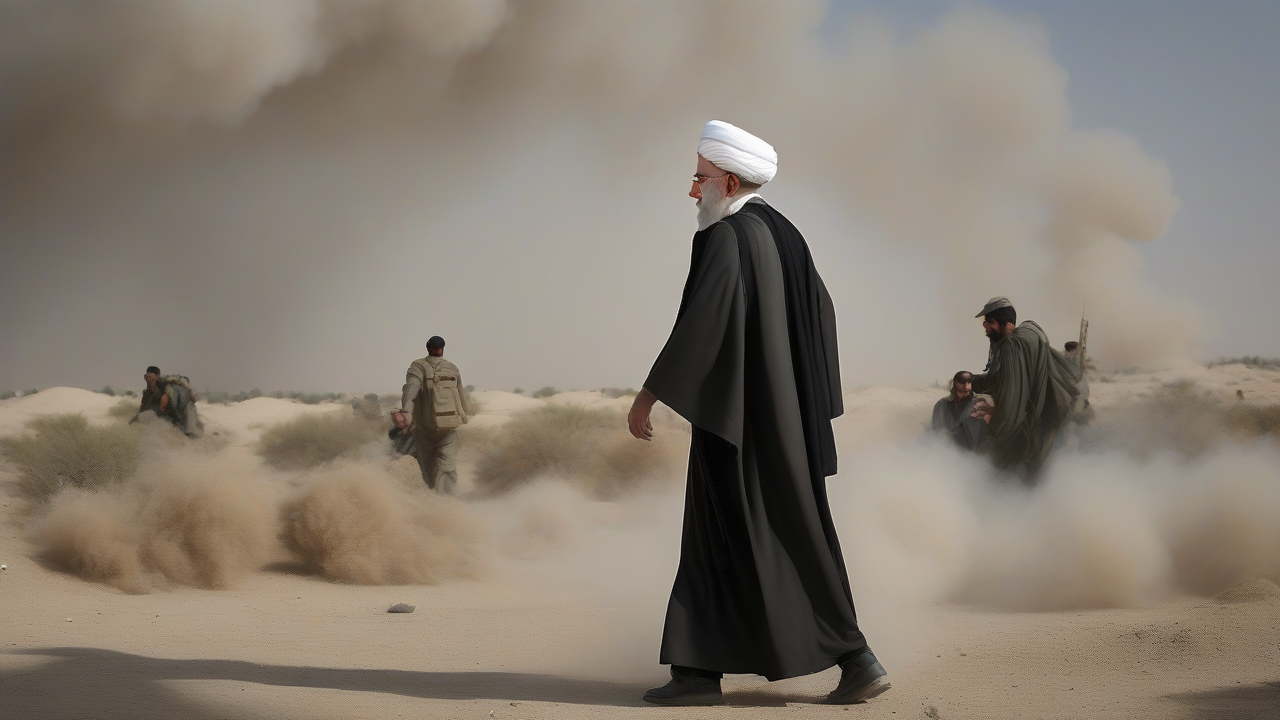
Introduction to a New Era of Leadership
In a dramatic turn of events, Mojtaba Khamenei, the newly appointed Supreme Leader of Iran, has reportedly suffered significant injuries on the first day of the Iran war, according to sources cited by the New York Post and CNN. This incident, which resulted in a fractured foot and face lacerations, occurred during a strike that tragically claimed the life of his father. The confirmation of these injuries by Iran’s Cyprus ambassador, as reported by The Guardian, underscores the personal and physical risks faced by leaders in times of conflict.
Context and Implications
The injury of Mojtaba Khamenei on his first day as Supreme Leader signals a challenging start to his tenure, marked by both internal and external pressures. Analysts note that this event could have profound implications for the direction of the war and Iran’s stance on the global stage. Observers point out that the support voiced by North Korea for Iran’s new leader, as covered by the Wall Street Journal, may indicate a strengthening of alliances between nations that have historically been at odds with Western powers. This geopolitical dynamic is crucial, as it may influence the strategies employed by Iran in the ongoing conflict.
The Road Ahead for Iran
The impact of Mojtaba Khamenei’s injuries on the war effort and the country’s political landscape is a subject of considerable speculation. Experts suggest that the new Supreme Leader’s ability to navigate these challenges will be closely watched, both domestically and internationally. The stakes are high, with the outcome potentially affecting not only the future of Iran but also the stability of the region. As reported by Al Jazeera in “The Take: How will Iran’s new supreme leader change the war?”, the change in leadership during a time of war introduces variables that could alter the conflict’s trajectory.
International Reactions and Support
The international community’s reaction to Mojtaba Khamenei’s appointment and his subsequent injuries has been varied. North Korea’s swift expression of support, as noted by the WSJ, stands in contrast to the more cautious responses from other nations. This dichotomy highlights the complex web of alliances and rivalries that Iran must navigate. According to reports from the New York Post and CNN, the confirmation of Mojtaba Khamenei’s injuries has sparked a mix of concern and speculation about the potential consequences for the region.
What to Watch Next
As the situation in Iran continues to unfold, several key developments will be worth monitoring. The new Supreme Leader’s recovery and his eventual stance on the war will be crucial indicators of the direction Iran is likely to take. Furthermore, the responses of international actors, including allies and adversaries, will provide insight into the broader geopolitical implications of these events. Upcoming diplomatic engagements, military maneuvers, and statements from world leaders will offer clues about the future of the conflict and Iran’s place within the global community. Sources indicate that the next few weeks will be pivotal in determining the trajectory of the war and the success of Mojtaba Khamenei’s leadership.
Reader Comments