
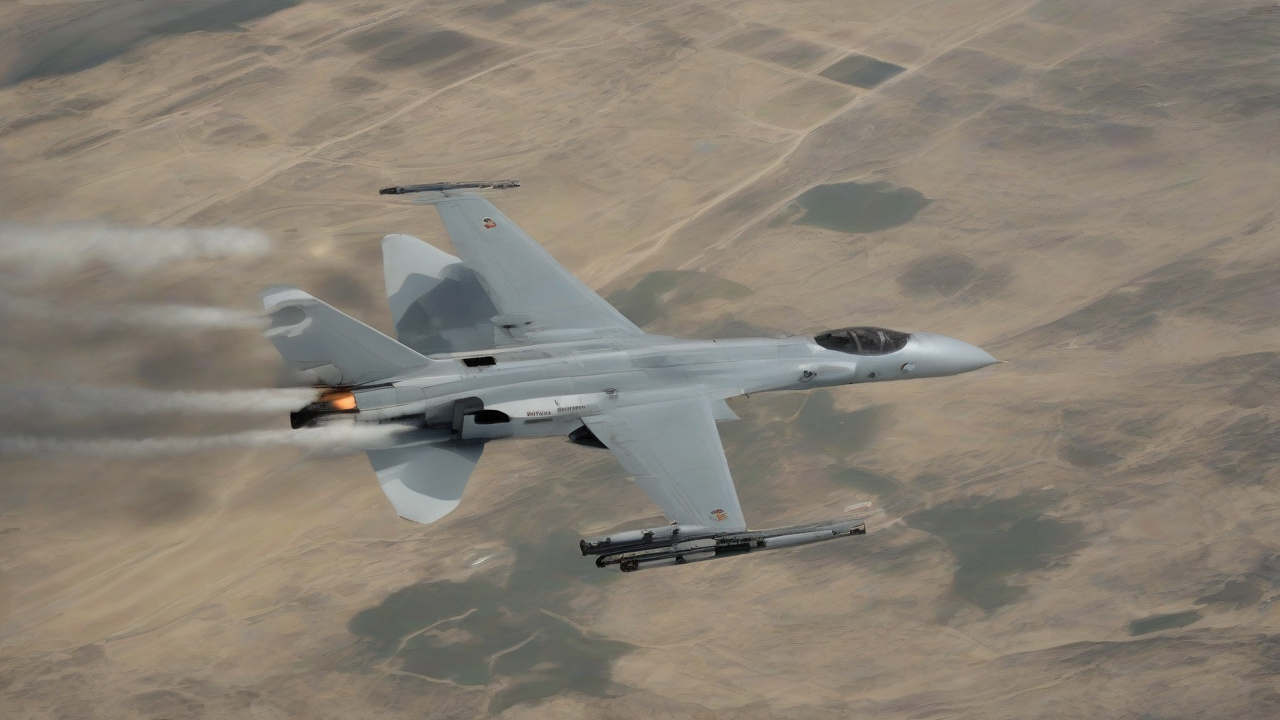
Escalating Tensions in the Gulf
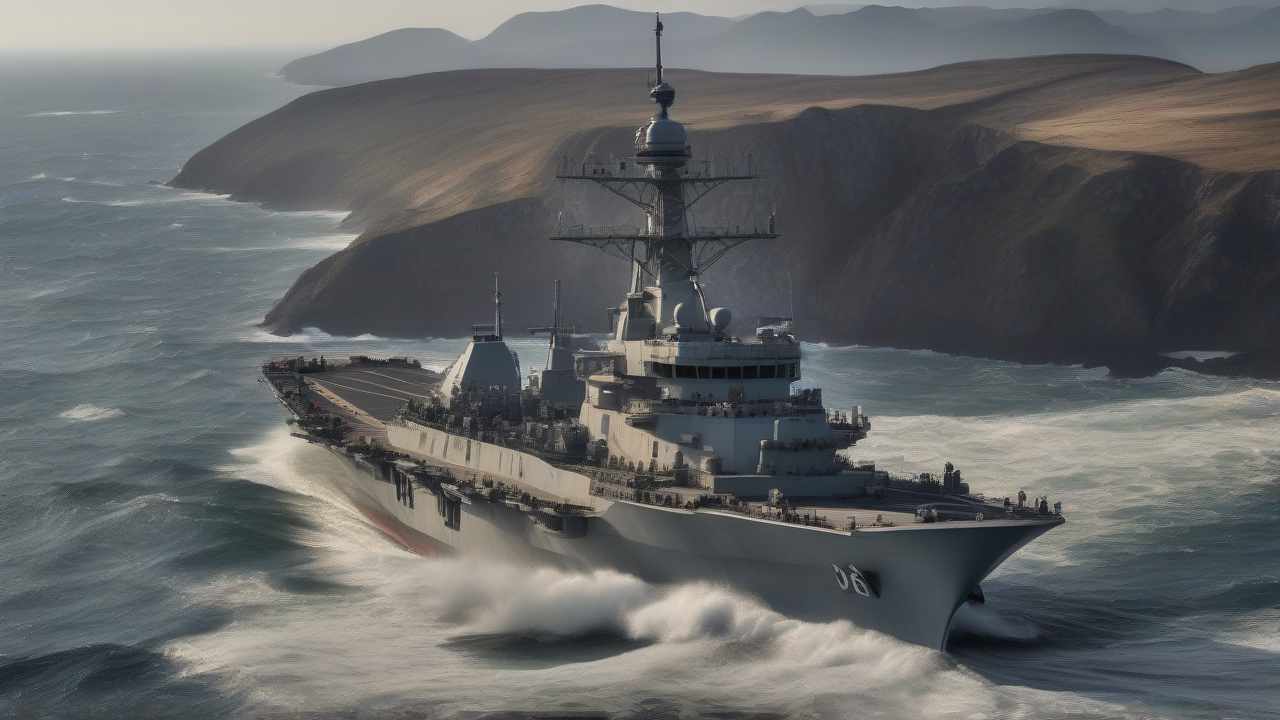
The Strait of Hormuz, a critical waterway connecting the Persian Gulf to the Arabian Sea, has become the focal point of an intensifying conflict between Iran and neighboring countries. According to reports from Euronews.com, Iran has launched a series of intense strikes across the Gulf, targeting ships and infrastructure in the region. This escalation of violence has significant implications for global trade and regional stability.
Background and Context
The Strait of Hormuz is a vital shipping lane, with approximately 20% of the world’s oil passing through it. The current crisis has its roots in longstanding tensions between Iran and other Gulf nations, as well as the United States. Analysts note that the situation has been deteriorating for months, with both sides engaging in a war of words and sporadic attacks. The move signals a significant escalation of the conflict, with potentially far-reaching consequences.
Impact on Global Trade and Regional Stability
The attacks on ships and infrastructure in the Gulf have already begun to affect global trade, with oil prices rising in response to the increased uncertainty. Observers point out that a prolonged conflict in the region could have severe economic implications, particularly for countries reliant on oil imports. Furthermore, the conflict has the potential to draw in other regional players, exacerbating the situation and increasing the risk of a wider war.
International Response
As reported by CNN, the United States has launched an investigation into the attacks, which have also affected American interests in the region. The US has been working closely with its allies to de-escalate the situation, but the complexity of the conflict and the multiple parties involved make a swift resolution unlikely. According to The Guardian, other countries in the region, including Saudi Arabia and the United Arab Emirates, have also been targeted by Iranian strikes, further complicating the situation.
Humanitarian Concerns
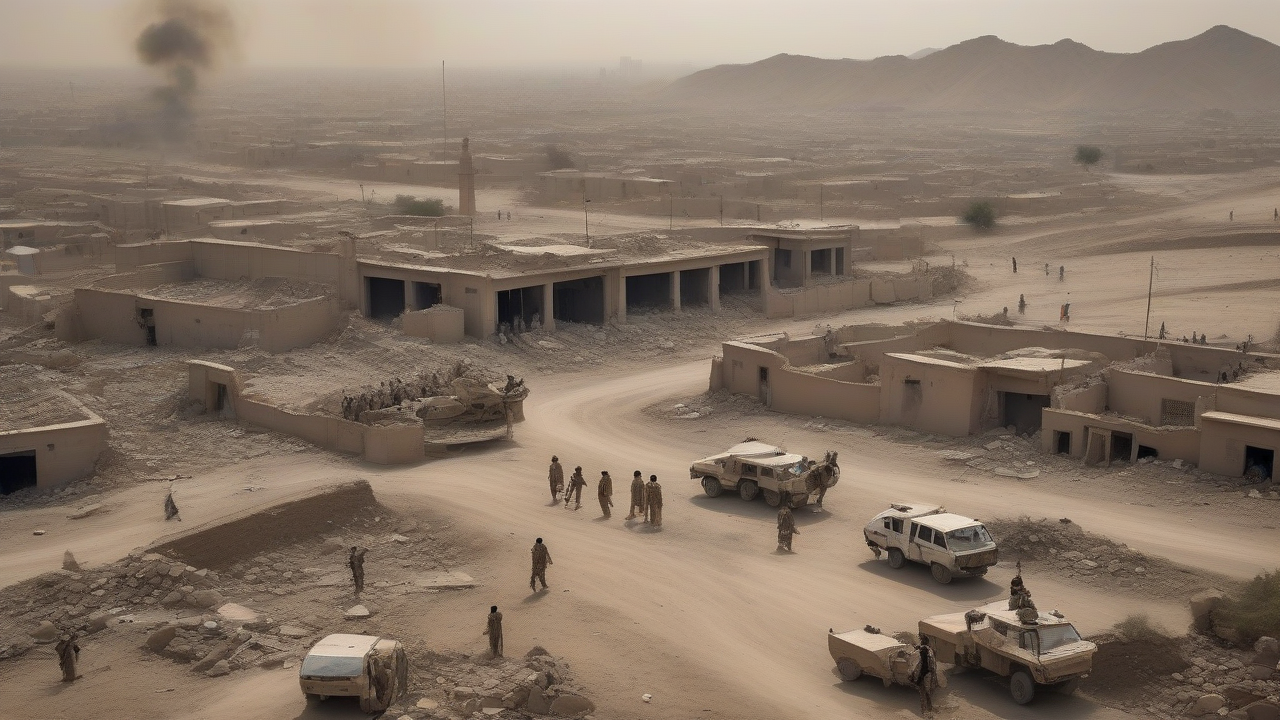
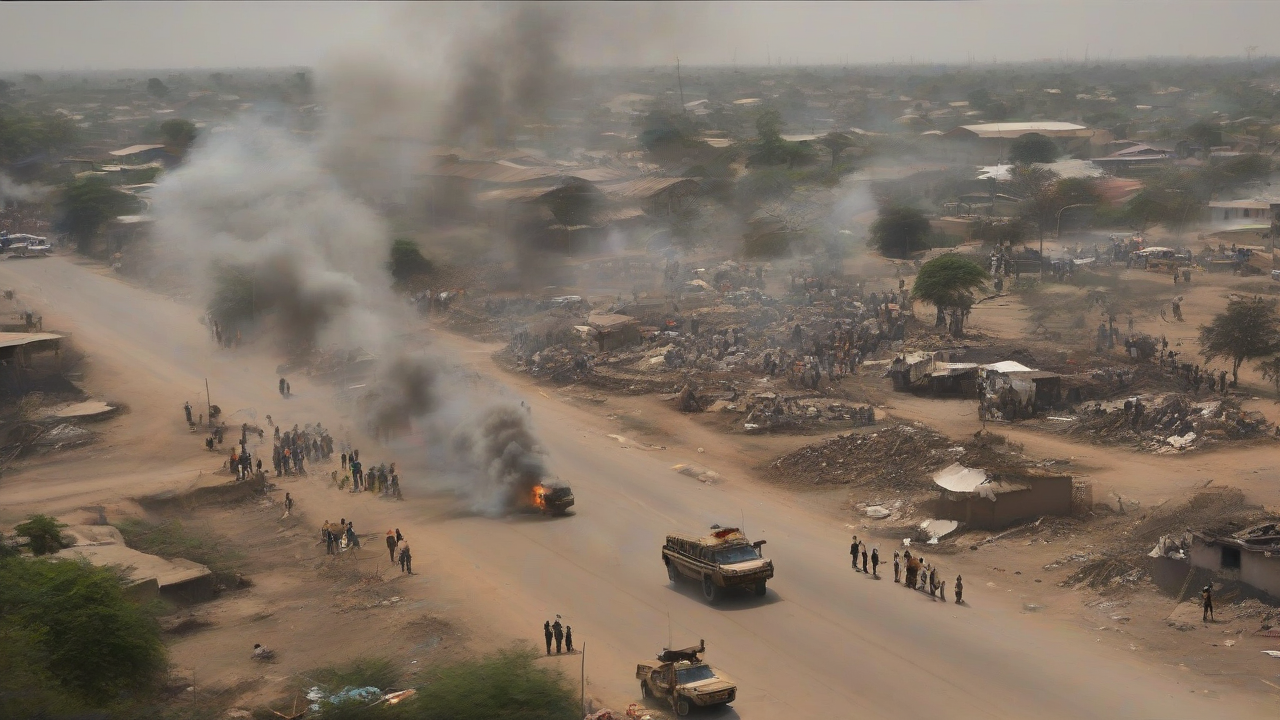
The conflict has also raised humanitarian concerns, with reports of civilian casualties and damage to critical infrastructure. Al Jazeera has reported that a school was hit in one of the attacks, highlighting the risks faced by non-combatants in the region. The international community has called for restraint and a peaceful resolution to the conflict, but the situation remains volatile.
What to Watch Next
As the situation in the Gulf continues to unfold, observers will be watching for any signs of de-escalation or further escalation. According to NPR, the US and its allies are exploring diplomatic channels to resolve the conflict, but the path forward remains uncertain. With the region on high alert and the global economy potentially at risk, the next developments in the Hormuz crisis will be closely watched by governments, businesses, and citizens around the world. Sources indicate that the coming days will be critical in determining the trajectory of the conflict, and all parties involved are bracing for the possibility of further violence.
Reader Comments