
Escalating Tensions in the Gulf
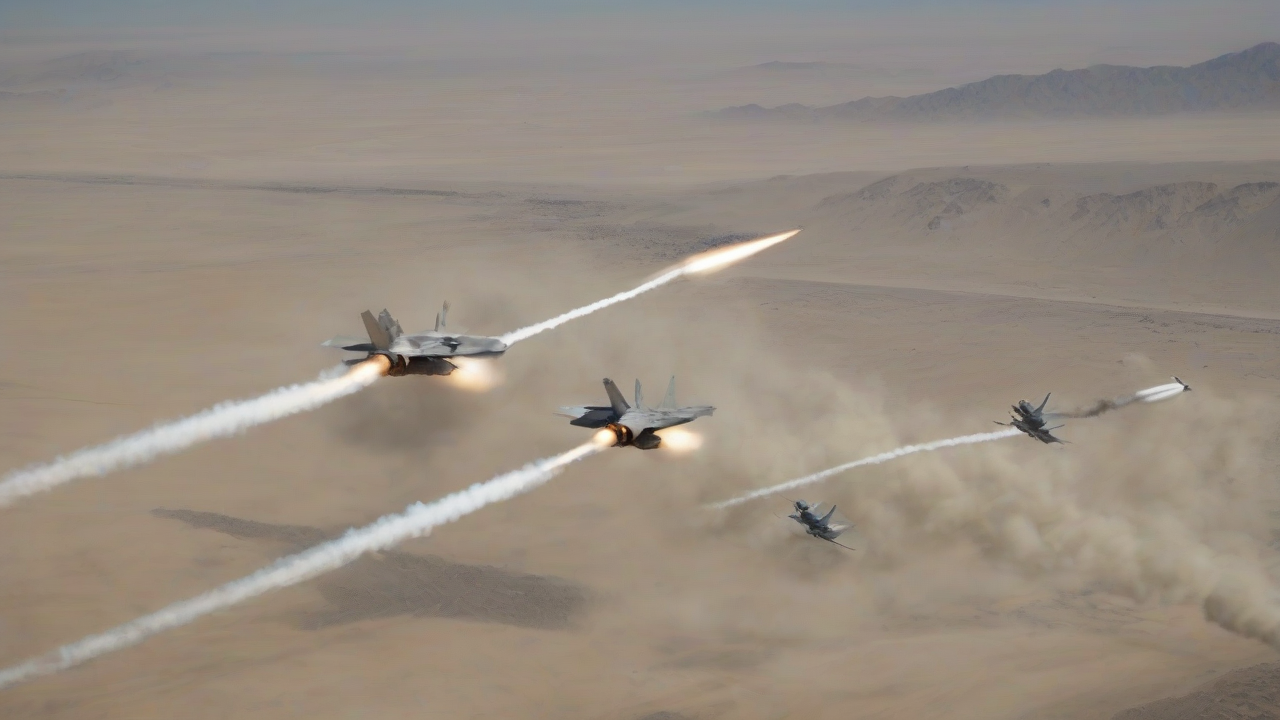
The Gulf region is witnessing a significant escalation of violence, with Iran launching a series of intense strikes across the Gulf, according to reports from Euronews.com and other news outlets. This surge in aggression has deepened the crisis in the Strait of Hormuz, a critical waterway that connects the Gulf to the Arabian Sea.
A Crisis with Far-Reaching Implications
Observers point out that the Strait of Hormuz is a vital shipping lane, with nearly a third of the world’s seaborne oil passing through it. The escalating conflict in the region has significant implications for global energy markets and the economy as a whole. As reported by CNN, the attacks on ships in the Strait of Hormuz have raised concerns about the safety of maritime trade and the potential for disruptions to oil supplies.
Targets of the Iranian Strikes
Iran’s strikes have targeted a range of infrastructure and transport networks across the Gulf, including ships, airports, and oil facilities. The Guardian reports that Dubai airport was among the targets, highlighting the economic concerns that are driving the escalation of the conflict. AP News notes that Iran has also fired missiles and drones at Gulf nations, further intensifying the crisis.
Expert Analysis
Analysts note that the Iranian strikes are a response to economic pressures and the perceived threat from Western powers. The move signals a significant escalation of the conflict, with potentially far-reaching consequences for the region and the global economy. As Al Jazeera reports, the attacks on ships in the Strait of Hormuz have raised the stakes, with the potential for a wider conflict drawing in other nations.
Impact on the Region
The escalating conflict in the Gulf has significant implications for the region, with the potential for widespread disruption to trade and commerce. The strikes have already affected shipping lanes, with some vessels diverting from the Strait of Hormuz to avoid the conflict zone. According to sources, the economic impact of the crisis is likely to be felt across the region, with potential consequences for global energy markets.
What to Watch Next
As the crisis in the Gulf deepens, observers are watching for signs of further escalation or potential diplomatic efforts to resolve the conflict. The upcoming weeks will be critical, with the potential for key decisions or developments that could shape the course of the crisis. As reported by Euronews.com, the international community is calling for calm and restraint, but the situation remains volatile, with the potential for further violence or diplomatic breakthroughs.
The information in this report is based on accounts from various news outlets, including Euronews.com, CNN, The Guardian, AP News, and Al Jazeera, which have provided detailed coverage of the escalating crisis in the Gulf.

Reader Comments