
Escalating Tensions in the Gulf
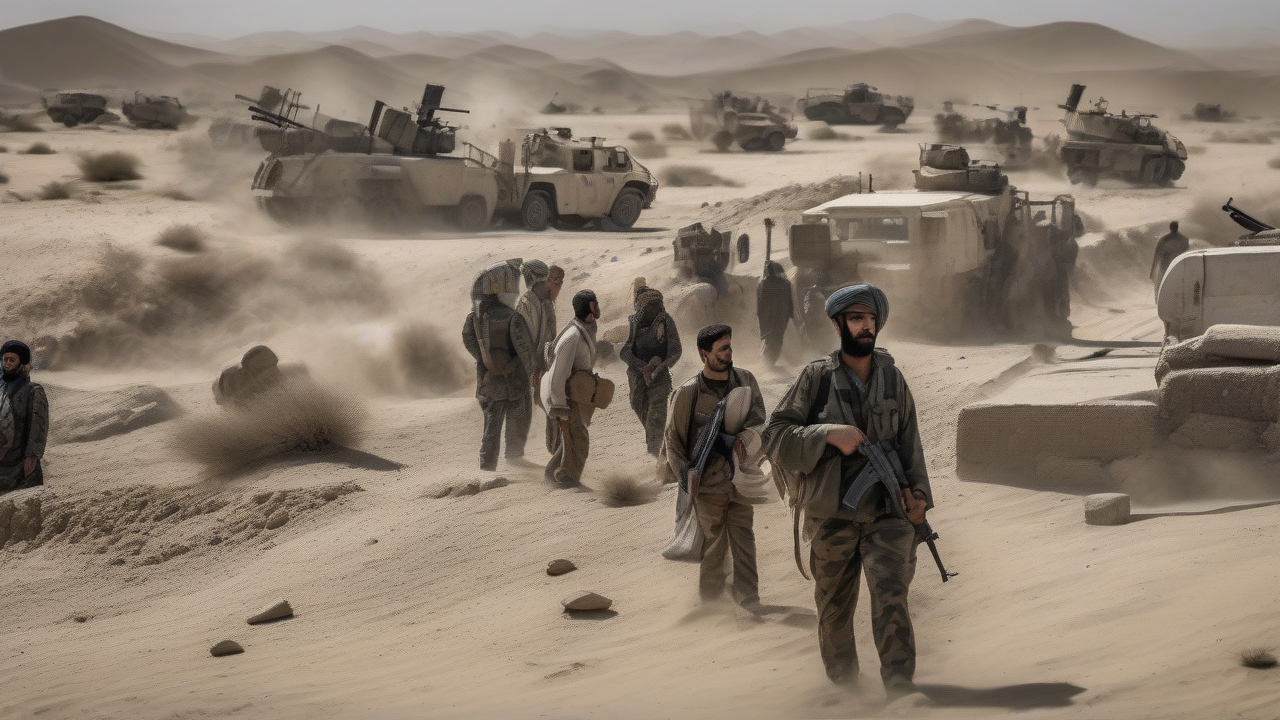
The Strait of Hormuz, a critical waterway for global oil trade, has become the focal point of an escalating conflict between Iran and neighboring countries, with Iran launching a series of intense strikes across the Gulf. According to reports from Euronews.com, CNN, and The Guardian, these attacks have targeted ships, oil facilities, and transportation networks, raising concerns about the stability of the region and the potential impact on the global economy.
A Deepening Crisis
Analysts note that the current crisis in the Strait of Hormuz is a culmination of long-standing tensions between Iran and other Gulf nations, which have been exacerbated by economic sanctions and competing interests in the region. Observers point out that the situation has been deteriorating rapidly, with Iran escalating its attacks on infrastructure and transport networks across the Gulf, as reported by The Guardian and AP News. The move signals a significant escalation of the conflict, with potentially far-reaching consequences for the region and the global economy.
Impact on Global Trade
The Strait of Hormuz is a vital waterway for international trade, with a significant portion of the world’s oil passing through it. The escalating conflict in the region has raised concerns about the potential disruption to global oil supplies, which could have a significant impact on the global economy. As reported by Al Jazeera, Iran has fired missiles and drones at Gulf nations, targeting ships and oil facilities, which could lead to a significant increase in oil prices and have a ripple effect on the global economy.
Humanitarian Concerns
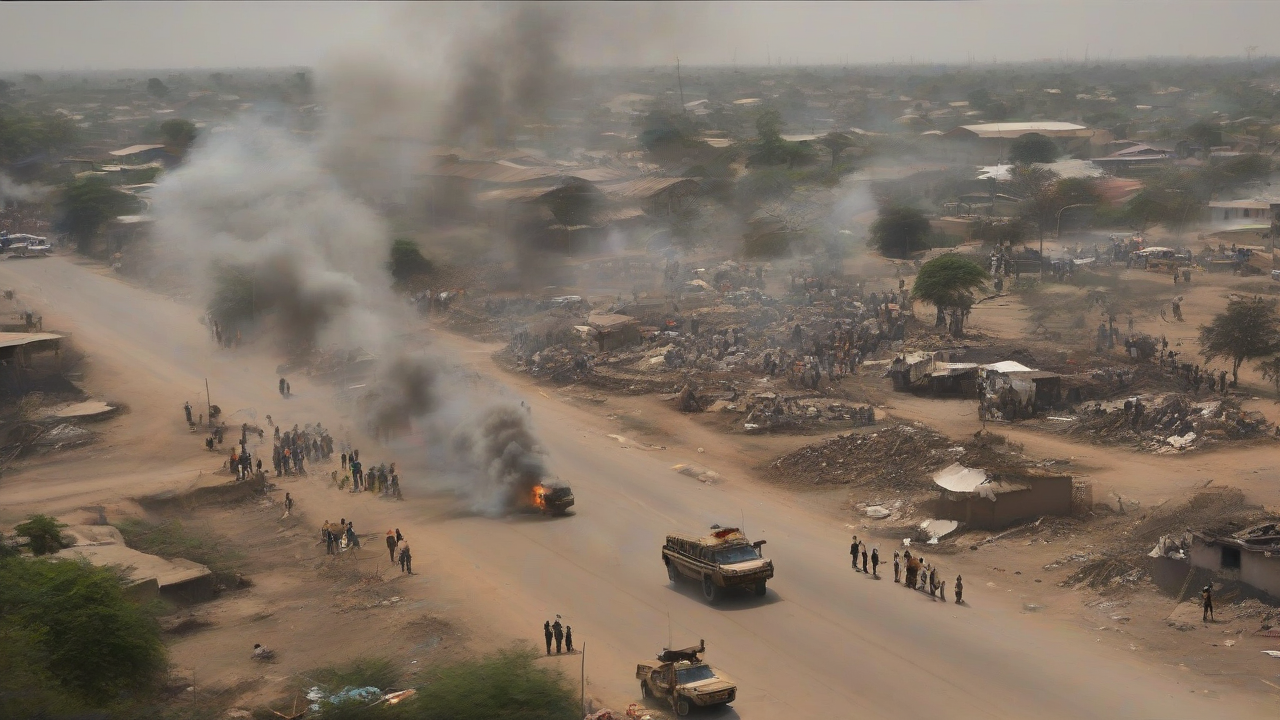
The conflict in the Strait of Hormuz has also raised humanitarian concerns, with the potential for civilian casualties and displacement. According to sources, the attacks have targeted not only military and economic targets but also civilian infrastructure, including airports and transportation hubs. The situation has been described as “dire” by observers, with the potential for a significant humanitarian crisis if the conflict is not brought under control.
What’s Next
As the situation in the Strait of Hormuz continues to deteriorate, observers are watching closely for any signs of escalation or de-escalation. The international community has called for calm and restraint, with the United Nations and other organizations urging all parties to engage in diplomatic efforts to resolve the conflict peacefully. However, with the conflict showing no signs of abating, the region remains on high alert, with the potential for further escalation and instability. According to CNN, live updates from the region indicate that the situation is fluid and rapidly changing, with new developments emerging by the hour. As the crisis deepens, one thing is certain: the world will be watching the Strait of Hormuz closely in the coming days and weeks, as the situation continues to unfold.
Reader Comments