
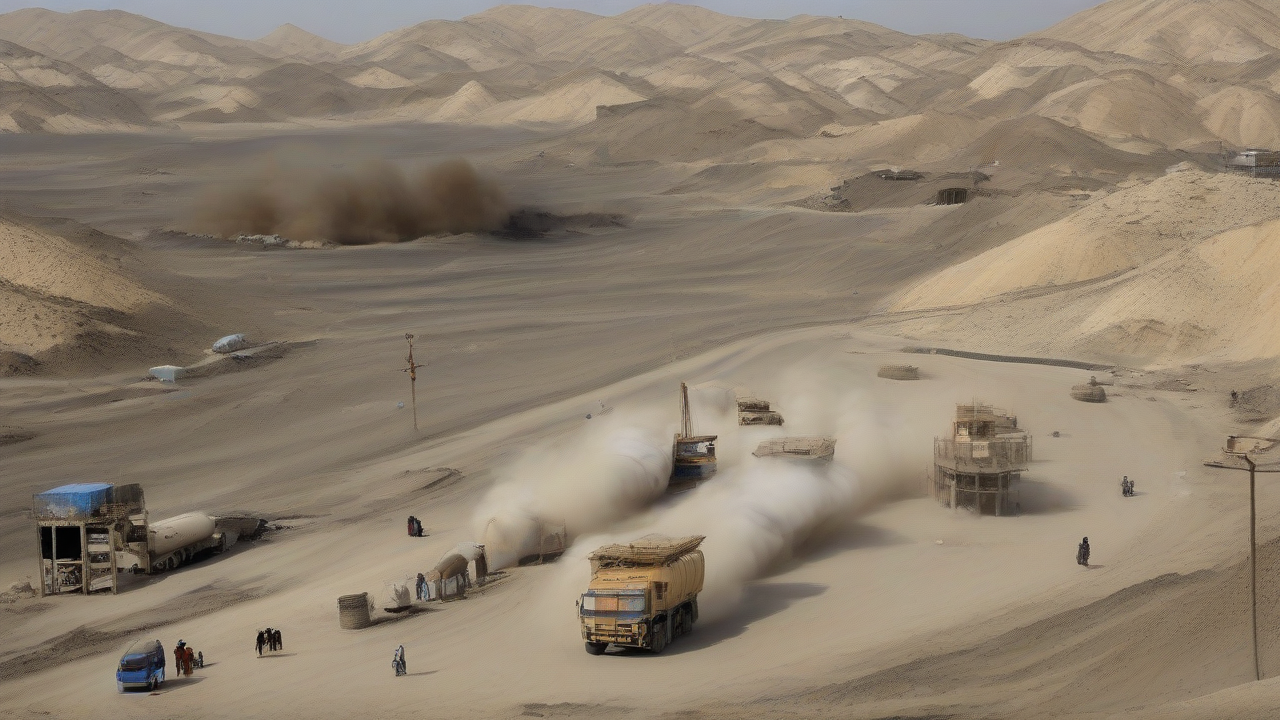
Global Oil Markets Reel as Iran Takes Action
In a move that has sent shockwaves through global oil markets, Iran has unleashed a significant oil shock, according to reports from Reuters. This development comes as tensions between Iran and the United States continue to escalate, with Iran seeking to counter US firepower. The strategy, observers note, is aimed at leveraging Iran’s significant influence over global oil supplies to blunt the impact of potential US military action.
A History of Threats to Persian Gulf Shipping
Iran’s naval mines have long been a source of concern for shipping in the Persian Gulf, as highlighted by The New York Times. The use of these mines poses a substantial threat to the free flow of oil through the Strait of Hormuz, a critical waterway through which a significant portion of the world’s oil passes. Analysts point out that any disruption to shipping in this region could have far-reaching consequences for global oil prices and the stability of the international economy.
Deepening Oil Crisis
The situation is further complicated by traders’ fears of a prolonged blockage of the Strait of Hormuz, as reported by Bloomberg.com. Such a blockage would not only drive up oil prices but also potentially lead to shortages in some regions. This, experts warn, could have a devastating impact on economies that are heavily reliant on imported oil. The move by Iran, therefore, signals a significant escalation in the standoff between Iran and the US, with the global economy potentially hanging in the balance.
Threats to the US and Global Stability
One of Iran’s most destructive weapons, its naval mines, could pose a significant threat to the US, as outlined by Axios. The potential for these mines to be used in the Strait of Hormuz raises concerns about the safety of US naval vessels and the stability of global oil markets. This threat, observers point out, underscores the complexity and volatility of the current geopolitical situation in the region.
Diplomatic Efforts
Despite the tensions, a diplomat from Tehran has stated that Iran does not intend to block the Strait of Hormuz, according to Euronews.com. This statement suggests that there may still be room for diplomatic efforts to resolve the crisis. However, the situation remains highly volatile, and any miscalculation could lead to a rapid escalation of tensions.
Impact and Implications
The current situation affects not only the US and Iran but also has significant implications for global oil markets and the international economy. The potential for an oil shock, driven by disruptions in the Strait of Hormuz, could lead to increased oil prices, affecting consumers and businesses worldwide. Analysts note that the situation requires careful monitoring and diplomatic engagement to prevent further escalation.
What to Watch Next
As the situation continues to unfold, several key developments will be worth watching. These include any further statements from Iranian or US officials, potential diplomatic efforts to resolve the crisis, and the impact of the situation on global oil prices. Additionally, observers will be closely monitoring the movements of naval vessels in the region and any signs of increased military preparedness. The coming weeks will be critical in determining the trajectory of this crisis and its implications for global stability and the economy. According to sources, including Reuters and Bloomberg.com, the next moves by both Iran and the US will be pivotal in either escalating or de-escalating the current tensions.


Reader Comments