
Escalating Tensions in the Middle East
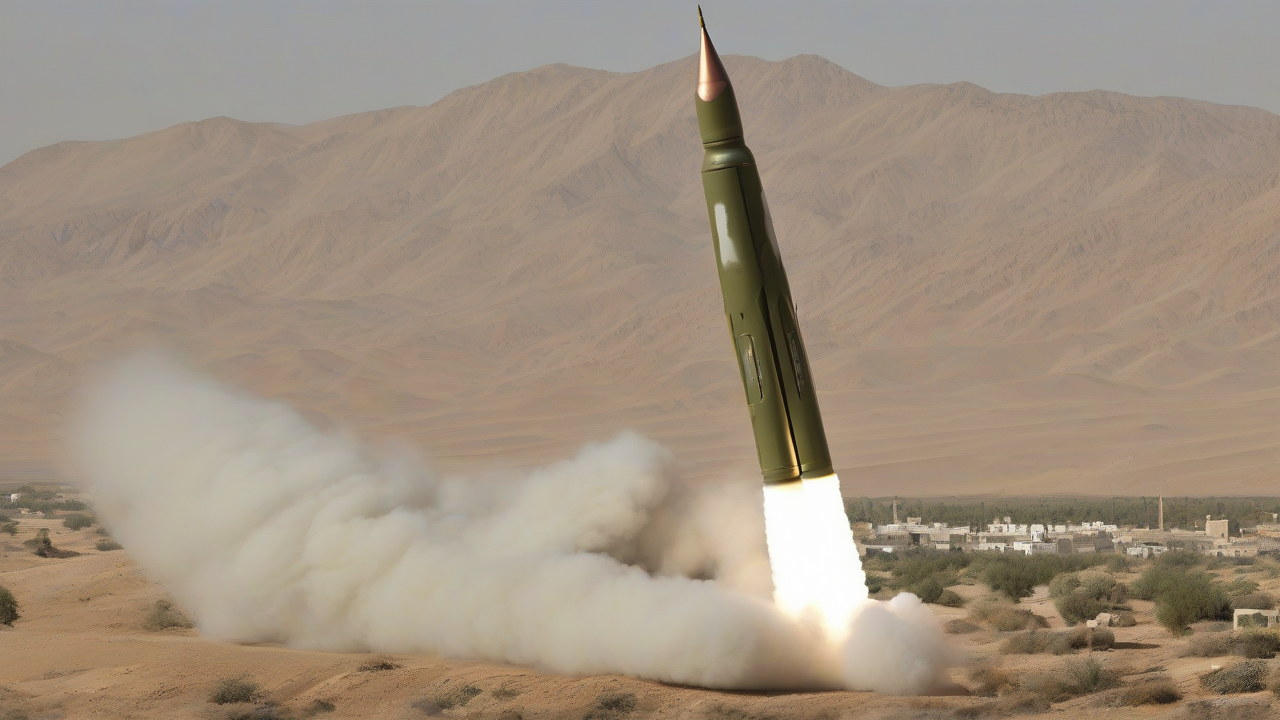
The conflict between Iran and Israel has taken a significant turn with Iran’s deployment of the Sejjil missile, nicknamed the “dancing missile,” against US and Israeli targets. According to reports from WION, this move marks a notable escalation in the ongoing tensions between the two nations. Analysts note that the Sejjil missile’s unique characteristics make it a formidable weapon in Iran’s arsenal.
What Makes the Sejjil Missile Different?
The Sejjil missile is a solid-fuel, two-stage ballistic missile with a range of approximately 2,000 kilometers. Observers point out that its solid-fuel design allows for faster deployment and increased mobility, making it more difficult to detect and intercept. Additionally, the Sejjil missile’s ability to change direction in mid-flight, earning it the “dancing missile” moniker, poses a significant challenge to air defense systems. As reported by The Times of Israel, Iran has fired four missile salvos at Israel, resulting in one injury, in what appears to be a cluster bomb attack.
Challenging Israel’s Air Defenses
The use of cluster munitions by Iran is particularly concerning, as it challenges Israel’s air defenses, including the Iron Dome missile shield. CNN notes that the deployment of cluster munitions can overwhelm air defense systems, increasing the likelihood of successful strikes. This tactic has raised concerns among analysts, who warn that it could lead to a significant escalation in the conflict. The Jerusalem Post reports that the Iranian strikes have pierced Israel’s missile shield, highlighting the need for enhanced air defense capabilities.
Impact on the Region
The ongoing conflict between Iran and Israel has significant implications for the region. The stakes are high, with the potential for further escalation and increased violence. As reported by Reuters, the situation is being closely monitored by international observers, who are calling for restraint and diplomatic efforts to resolve the conflict. The use of advanced missiles like the Sejjil and the deployment of cluster munitions have raised concerns about the humanitarian impact of the conflict, with civilians potentially caught in the crossfire.
What to Watch Next
As the situation continues to unfold, observers will be watching for any further escalation in the conflict. Upcoming developments, including potential diplomatic efforts and military responses, will be closely monitored. According to sources, the international community is urging restraint and calling for a diplomatic resolution to the conflict. The Jerusalem Post will provide live updates on the situation, as more information becomes available. Analysts note that the next few days will be crucial in determining the trajectory of the conflict, with the potential for significant consequences for the region and beyond.

Reader Comments