
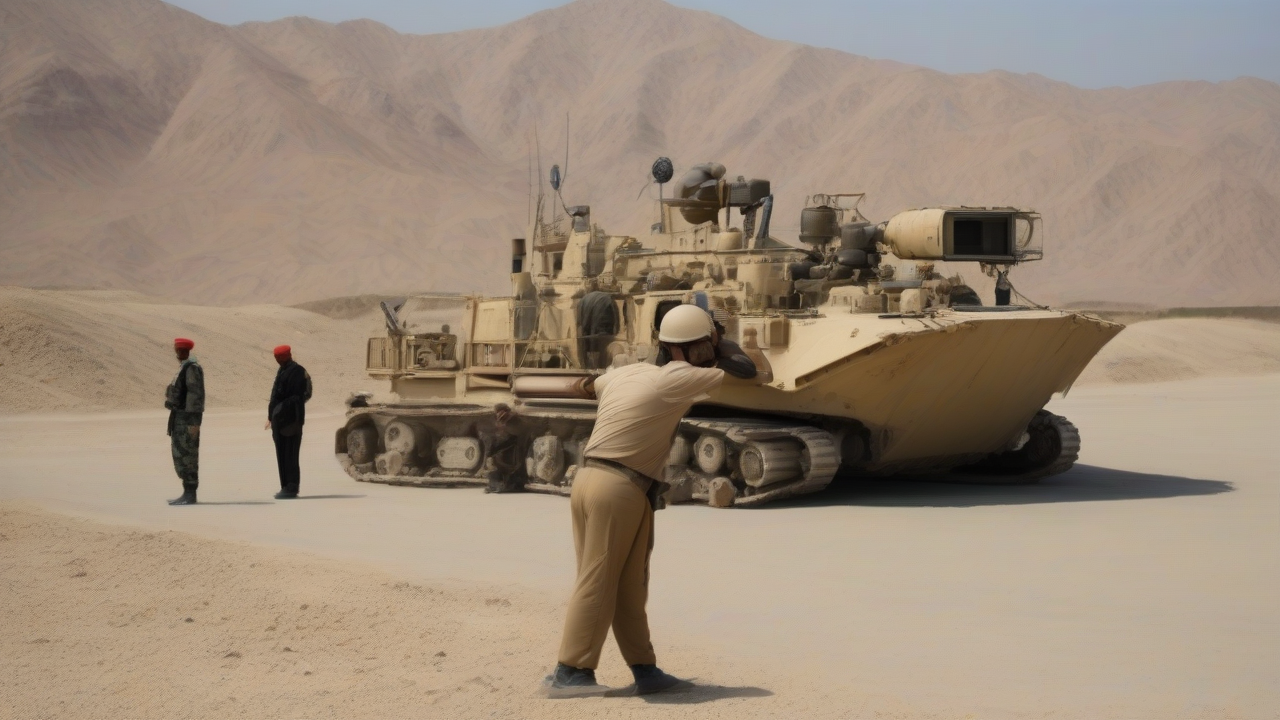
Rising Tensions in the Persian Gulf
A significant escalation in the conflict between Iran and the United States has brought attention to one of Iran’s most potent weapons: naval mines. According to Axios, these mines have the potential to threaten the U.S. and disrupt global oil supplies. The New York Times notes that Iran has a history of using naval mines to target shipping in the Persian Gulf, which could have severe implications for international trade and global economic stability.
Historical Context and Implications
Observers point out that the Strait of Hormuz, a critical waterway connecting the Persian Gulf to the Arabian Sea, is a key chokepoint for oil exports. As reported by FactCheck.org, if Iran were to block the Strait, it could have a significant impact on the U.S. and global economy. Reuters suggests that Iran may use the threat of an oil shock to counter U.S. military power, highlighting the complex and interconnected nature of the conflict. However, a diplomat from Tehran, quoted by Euronews.com, claims that Iran does not intend to block the Strait, adding a layer of uncertainty to the situation.
Expert Analysis and Concerns
Analysts note that the use of naval mines by Iran would be a highly provocative move, with potentially catastrophic consequences. The move signals a significant escalation in the conflict, with the U.S. and its allies likely to respond strongly to any attempt to disrupt global oil supplies. As sources indicate, the U.S. has already taken steps to bolster its military presence in the region, in anticipation of potential threats from Iran.
Impact on Global Trade and Economy
The stakes are high, with the potential for a significant disruption to global trade and economic stability. If Iran were to deploy naval mines in the Strait of Hormuz, it could lead to a sharp increase in oil prices, with far-reaching consequences for the global economy. According to experts, this could have a devastating impact on industries reliant on oil, from transportation to manufacturing. The move could also lead to a surge in insurance costs for shipping companies, further exacerbating the economic fallout.
What to Watch Next
As the situation continues to unfold, observers will be watching closely for any signs of escalation or de-escalation. Upcoming diplomatic efforts, including potential talks between the U.S. and Iran, will be critical in determining the trajectory of the conflict. Additionally, any changes in Iran’s military posture or the deployment of naval mines will be closely monitored by the international community. As reported by Axios, the U.S. and its allies will likely continue to take a strong stance against any attempts by Iran to disrupt global oil supplies, setting the stage for a potentially volatile and unpredictable showdown in the Persian Gulf.
Reader Comments