
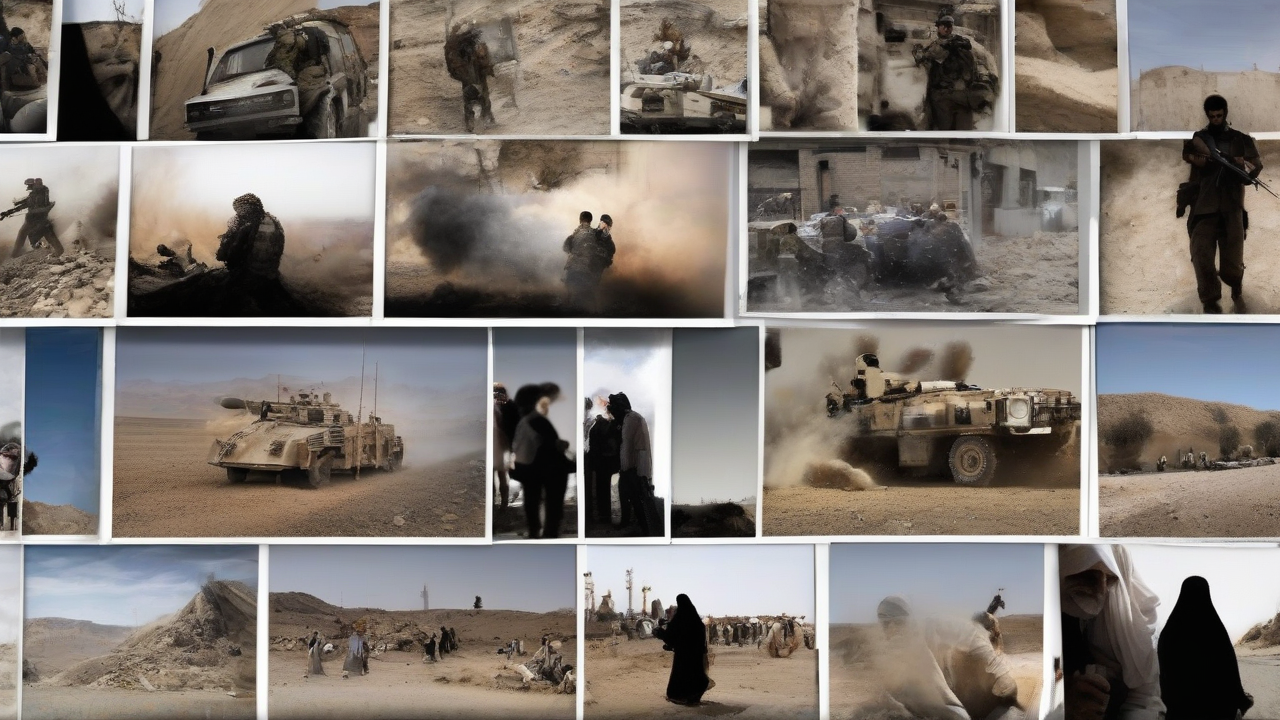
Escalating Tensions in the Middle East
In a significant development, Iranian Foreign Minister Abbas Araghchi has categorically denied that his country has asked for a ceasefire, contradicting claims made by the US. This statement, made during an appearance on “Face the Nation with Margaret Brennan” on March 15, 2026, as reported by CBS News, underscores the deepening rift between Iran and the United States. Analysts note that this denial not only reflects the current state of hostility between the two nations but also signals a hardened stance from Tehran, which observers point out could lead to further escalation in the region.
Context of the Conflict
The Middle East crisis, which has been intensifying over the past few months, has seen a series of exchanges between Iran and the US, with both sides engaging in rhetoric that suggests no immediate end to the conflict. According to reports from BBC and The Independent, Iranian officials have consistently maintained that they see no reason for talks with the US, a stance that has been reiterated by Foreign Minister Araghchi. This posture is seen by many as a reflection of the distrust and animosity that has characterized the relationship between the two countries for decades. Experts suggest that the current situation is fraught with risks, not just for the immediate parties involved but also for the stability of the entire region.
Implications and Analysis
Observers point out that the denial of seeking a ceasefire, coupled with the warning that Iran will fight for “as long as it takes,” as noted by The Guardian, indicates a long-term commitment to resistance from Tehran. This stance is likely to complicate any efforts towards de-escalation, making the path to peace more challenging. Analysts also highlight the importance of understanding the historical context of the conflict, which is rooted in political, economic, and ideological differences. The move by Iran to deny any interest in negotiations with the US signals a strategic decision to pursue its goals through other means, which could involve diplomatic efforts with other global powers or continued military resistance.
Humanitarian Concerns
The ongoing conflict has significant humanitarian implications, with civilians often caught in the crossfire. Araghchi’s denial that Iran targets civilians in Middle East strikes, as reported by The Jerusalem Post, is an important clarification, but it does little to alleviate the broader concerns about the safety of non-combatants. The international community is watching the situation closely, with many calling for restraint and a return to diplomatic channels to resolve the dispute. The impact on regional stability and the potential for the conflict to spread beyond current borders are key concerns for policymakers and analysts alike.
Looking Ahead
As the situation continues to unfold, all eyes will be on the next moves from both Iran and the US. Upcoming diplomatic meetings and statements from leadership on both sides will be closely scrutinized for any signs of a shift in position or willingness to engage in talks. According to sources, the coming weeks will be critical in determining the trajectory of the conflict, with potential flashpoints including further military engagements, economic sanctions, and diplomatic maneuvers. The world waits with bated breath as these two global players navigate a path that could lead to either war or peace, the outcome of which will have far-reaching consequences for the Middle East and beyond.

Reader Comments