
Escalating Tensions in the Middle East
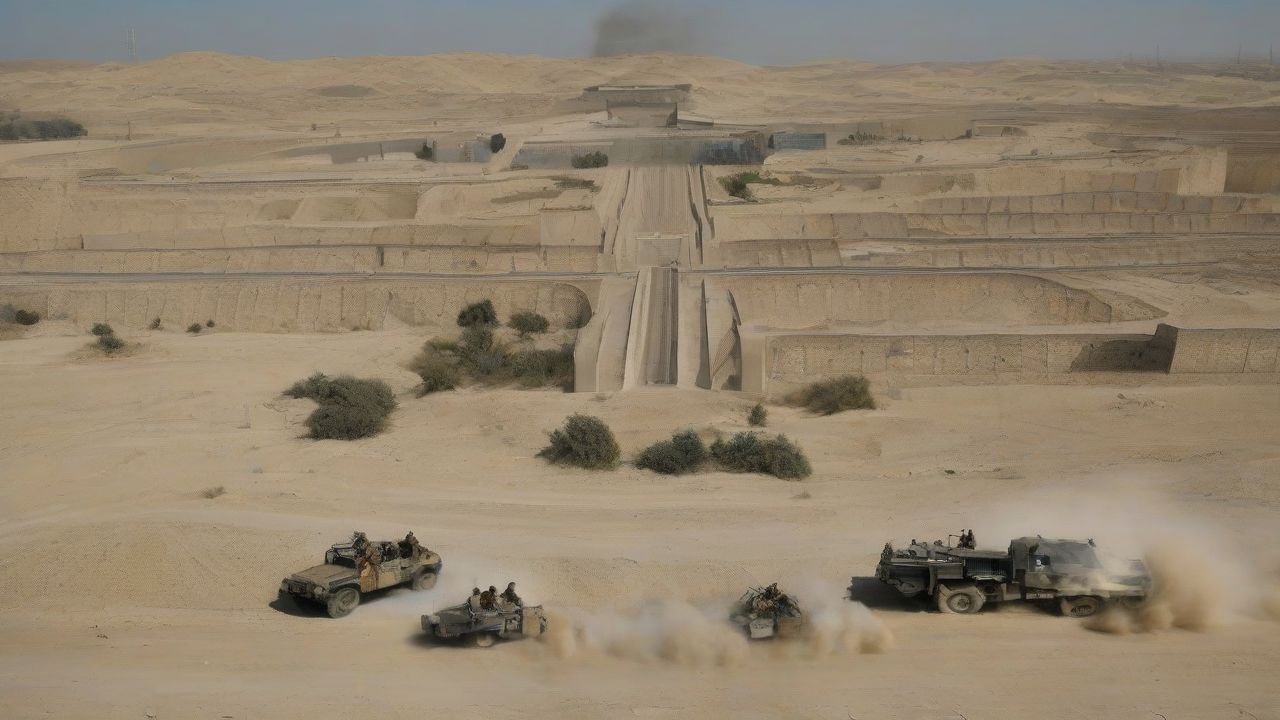
The Iranian government has expressed its willingness to consider any proposal that could bring an end to the ongoing conflict, according to Deputy Foreign Minister Abbas Araghchi, as reported by Al Arabiya English. This development comes amidst heightened tensions between Iran and the United States, with both countries engaging in a war of words and retaliatory measures.
A Complex Web of Diplomacy
Analysts note that Iran’s stance on the conflict is multifaceted, with the country denying reports that it has asked for a ceasefire, as stated by the Iranian minister in an interview with the BBC. The minister emphasized that Iran sees no reason to engage in talks with the US, suggesting a deep-seated mistrust between the two nations. Observers point out that this mistrust is rooted in a long history of strained relations, making it challenging to find a peaceful resolution to the conflict.
Regional Implications
The Middle East crisis has far-reaching implications, with the potential to draw in other countries and escalate into a wider war. As reported by The Guardian, Iran has warned against such an outcome, emphasizing the need for a peaceful resolution. The move signals a growing concern among regional players about the consequences of prolonged conflict. According to sources, the Iranian government is open to a “complete end to the war,” as explained by News18, citing three key reasons: the desire to avoid further escalation, the need to protect its economy, and the importance of maintaining regional stability.
Economic Consequences
The conflict is also having significant economic implications, with the US calling on its allies to escort ships in the region, as reported by The Economic Times. This move is seen as an attempt to mitigate the risks associated with shipping in the area, which has been affected by the conflict. Experts note that the economic consequences of the conflict could be severe, with the potential to disrupt global trade and impact the prices of essential commodities.
Humanitarian Concerns
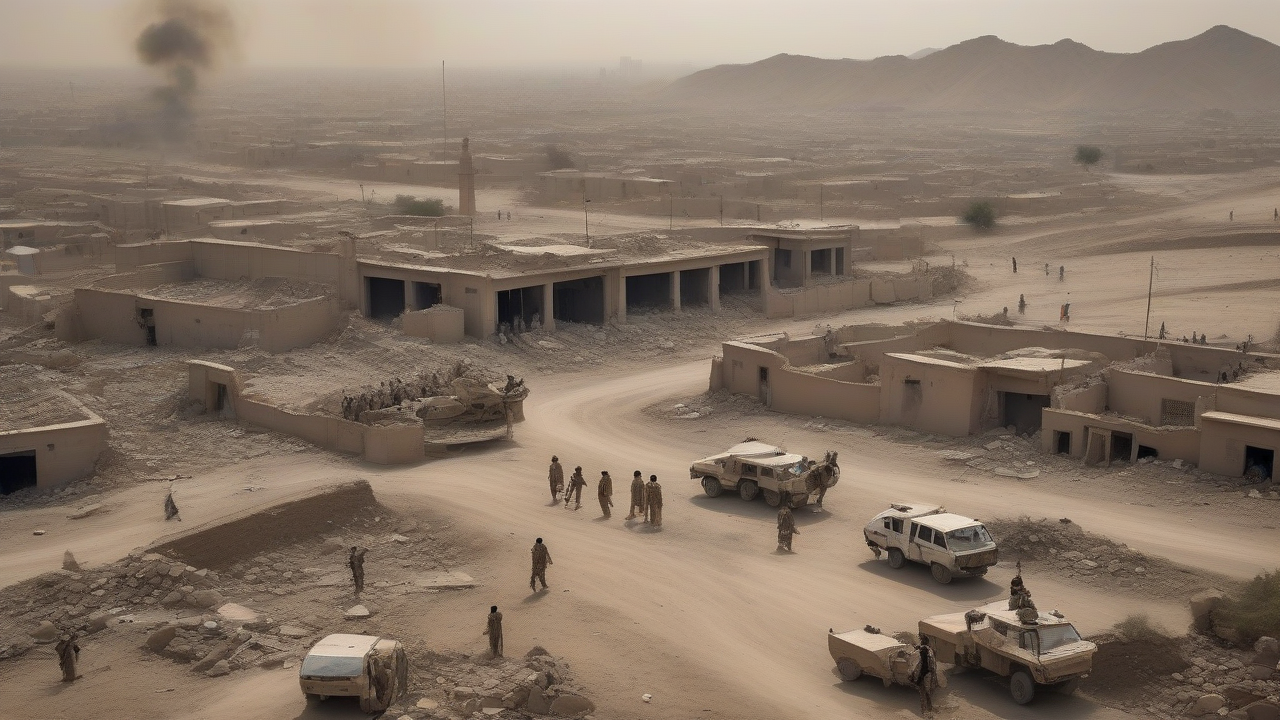
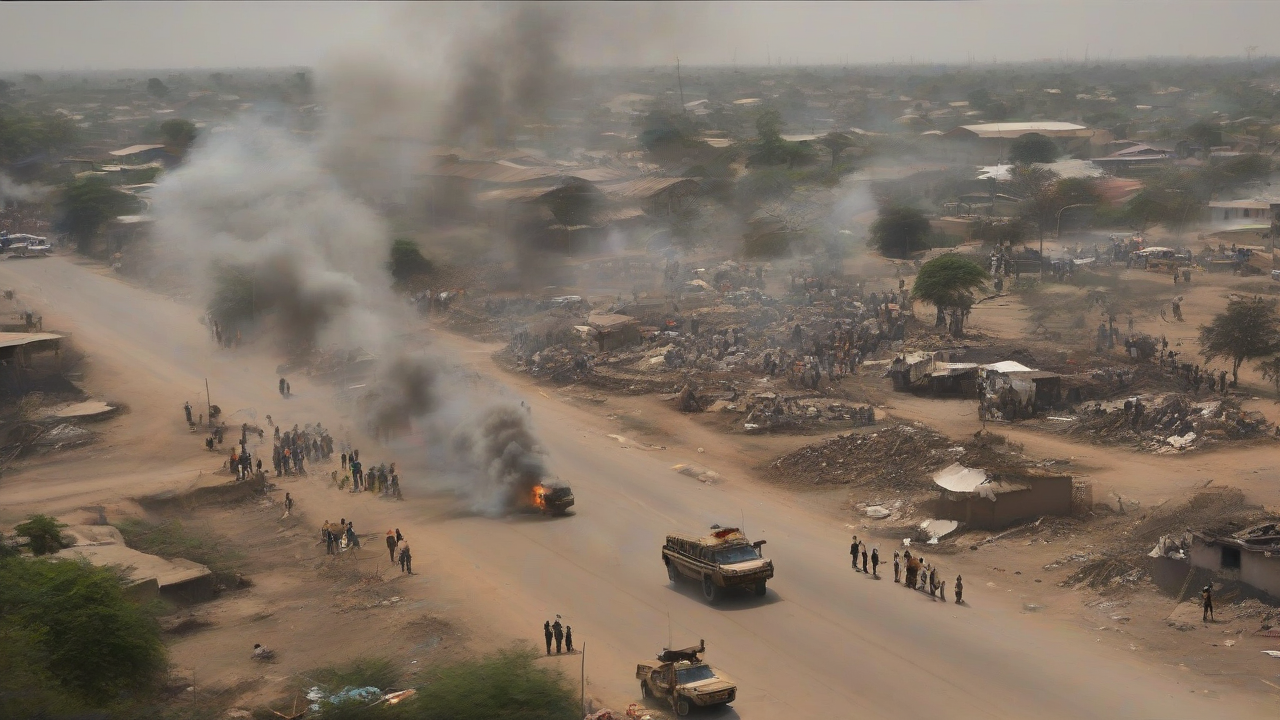
The ongoing conflict is also raising humanitarian concerns, with the potential for civilian casualties and displacement. As the situation continues to unfold, analysts are watching closely to see how the international community will respond to the crisis. The United Nations and other humanitarian organizations may play a critical role in providing aid and support to those affected by the conflict.
What’s Next
As the situation in the Middle East continues to evolve, observers are waiting to see what initiatives will be proposed to bring an end to the conflict. According to sources, the Iranian government is willing to consider any proposal that could lead to a peaceful resolution. The international community will be watching closely to see how the US and its allies respond to Iran’s overtures, and whether a diplomatic solution can be found to end the conflict. As reported by Al Arabiya English, the coming days and weeks will be crucial in determining the trajectory of the conflict and the potential for a peaceful resolution.

Reader Comments