
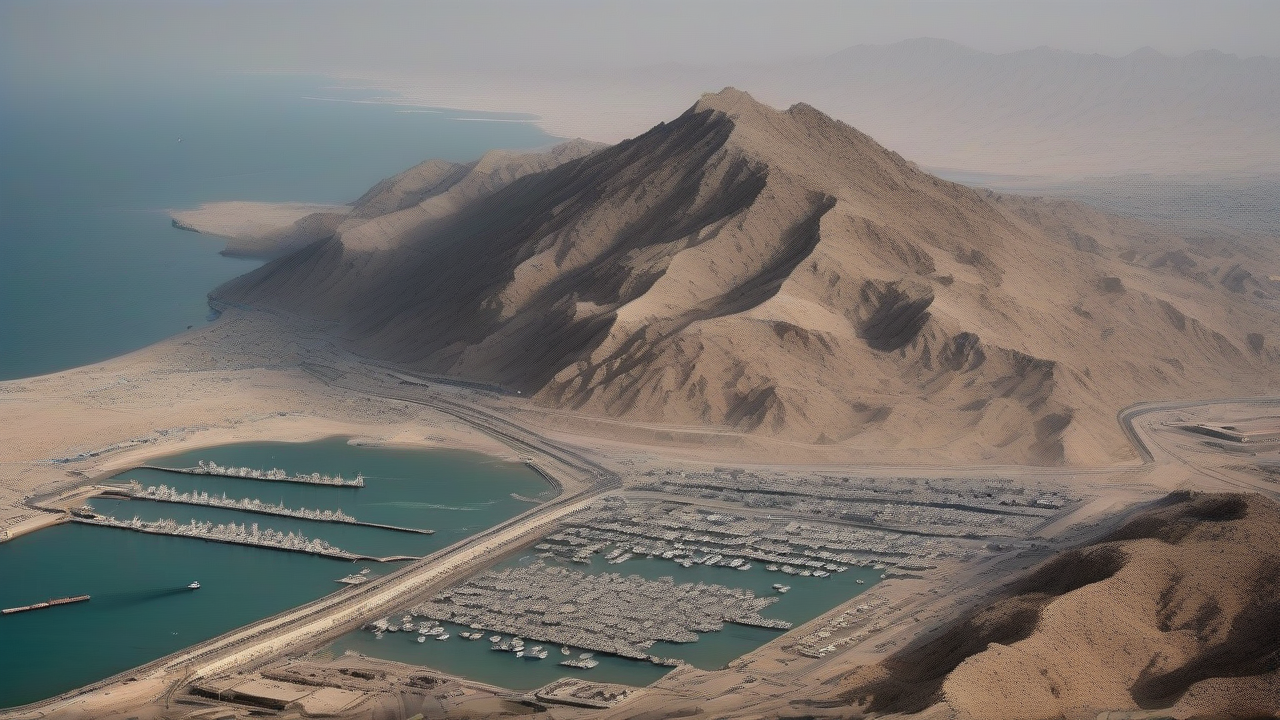
Ongoing Tensions in the Middle East
The situation in Iran continues to unfold, with recent developments suggesting that the country’s new supreme leader may have suffered injuries, according to Pete Hegseth, as reported by the Wall Street Journal. This news comes amidst heightened tensions between Iran and other nations, particularly in relation to the closure of the Strait of Hormuz, a critical global oil gateway.
Implications of the Strait of Hormuz Closure
The Strait of Hormuz is a vital waterway through which a significant portion of the world’s oil passes. Iran’s decision to keep this strait closed is seen as a strategic move to exert pressure on its adversaries. Analysts note that such a closure could have far-reaching implications for global oil supplies and prices. However, Hegseth downplays concerns about oil supply, stating that there is no need to worry about it, as reported by AP News.
International Reactions
The international community is closely watching the developments in Iran. U.S. President Trump has commented on the status of Iran’s new supreme leader, stating that he is “probably alive in some form,” according to The Hill. This statement reflects the uncertainty and speculation surrounding the leader’s condition. The New York Times reports that the new Iranian leader has vowed to maintain the blockade of the Strait of Hormuz as a means to pressure enemies.
Economic and Geopolitical Impact
Observers point out that the closure of the Strait of Hormuz is not just a geopolitical maneuver but also has significant economic implications. CNBC quotes Iran’s new supreme leader as saying that the strait must remain closed as a “tool to pressure the enemy.” This stance indicates a hardline approach by Iran, which could lead to escalated tensions and potential economic repercussions globally.
Why It Matters
The ongoing situation in Iran and the closure of the Strait of Hormuz matter because they have the potential to disrupt global oil markets and exacerbate tensions in the Middle East. Historically, such disruptions have led to significant economic and political fallout. The move by Iran’s new supreme leader signals a willingness to use strategic assets as leverage in geopolitical disputes, a tactic that analysts warn could have unpredictable consequences.
Forward-Looking Analysis
As the situation continues to evolve, observers are keenly watching for any signs of escalation or de-escalation. Upcoming developments, such as potential diplomatic efforts or further statements from Iran’s leadership, will be crucial in determining the trajectory of this crisis. According to sources, including the Wall Street Journal and AP News, the international community is bracing for the potential impacts of a prolonged closure of the Strait of Hormuz. The next steps taken by Iran and the responses from other nations will be critical in shaping the outcome of this standoff.
Impact on Global Oil Prices
The closure of the Strait of Hormuz could lead to a significant increase in global oil prices, affecting economies worldwide. Analysts note that any disruption to oil supplies could have a ripple effect, impacting various industries and consumers. As reported by The New York Times, the new Iranian leader’s vow to keep the strait closed underscores the complexity of the situation and the need for a diplomatic resolution.
Conclusion and Next Steps
In conclusion, the situation in Iran, including the possible injury of its new supreme leader and the closure of the Strait of Hormuz, presents a complex and potentially volatile scenario. As the world waits to see how events unfold, it is clear that the stakes are high, with implications for global oil supplies, economic stability, and geopolitical tensions. The next few days and weeks will be critical, with observers watching for any signs of a resolution or further escalation. According to CNBC, the ongoing developments in Iran will continue to be a major focus of international attention, with potential implications for global markets and political stability.

Reader Comments