
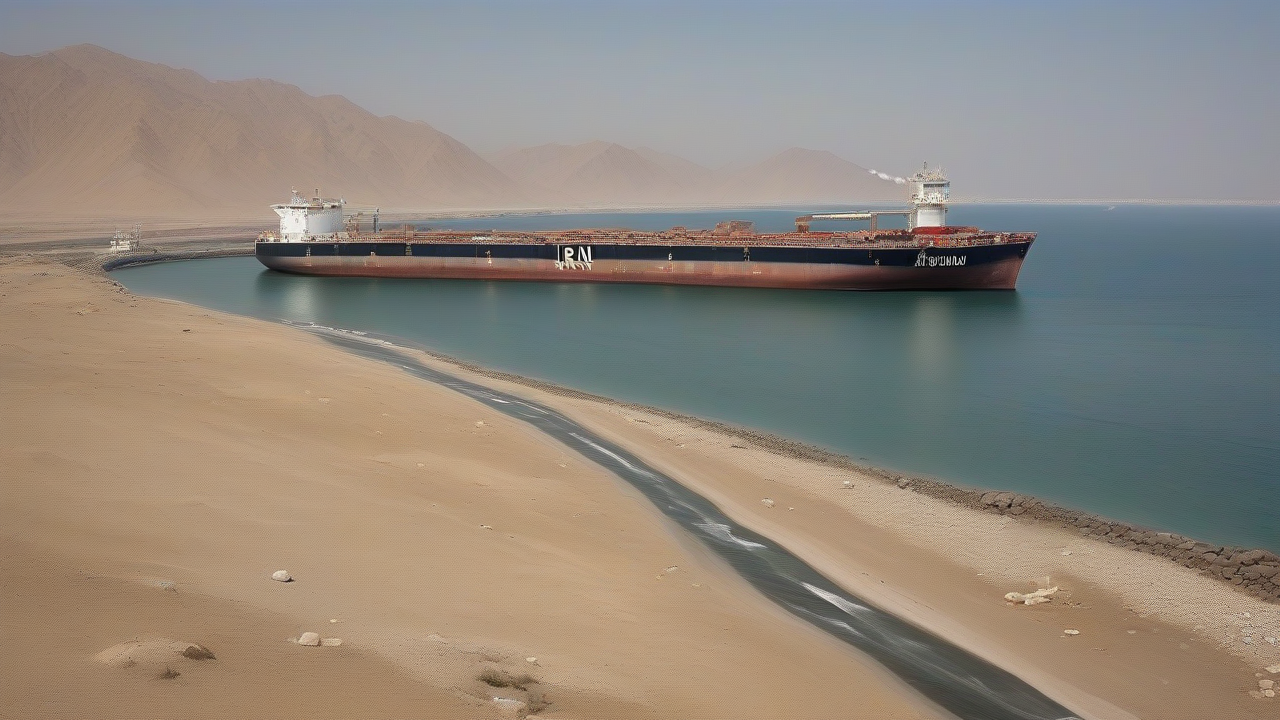
Iran’s Strategic Advantage in the Strait of Hormuz
Despite the ongoing conflict, Iran has managed to increase its oil exports, with a significant portion being shipped to China through the strategic Strait of Hormuz. According to reports from the Wall Street Journal, Iran’s control of the strait has enabled it to export more oil today than before the war began. This development has raised eyebrows among observers, who note that the war has not had the expected impact on Iran’s oil exports.
The Role of Shadow Tankers
Analysts point out that the use of shadow tankers has been a key factor in Iran’s ability to maintain its oil exports. These tankers, which often operate under the radar, have been able to navigate the Strait of Hormuz and deliver oil to China and other countries. As reported by CNBC, millions of barrels of oil are being shipped to China through the strait, despite the war. The Conversation notes that shadow tankers are the only ships still moving through the Strait of Hormuz, highlighting the significance of these vessels in maintaining Iran’s oil exports.
Impact on the Global Oil Market
The ability of Iran to export oil through the Strait of Hormuz has significant implications for the global oil market. With tankers shunning the port of Fujairah, oil is being freed up for sale at higher prices, according to Bloomberg. This development is likely to have a ripple effect on the global economy, with potential consequences for oil prices and the overall energy market. Sky News reports that dark ships and shadow fleets are crossing the “closed” Strait of Hormuz, raising questions about the effectiveness of the war in disrupting Iran’s oil exports.
Why It Matters
The fact that Iran is exporting more oil today than before the war began has significant implications for the global economy and the ongoing conflict. Observers note that this development signals a major strategic advantage for Iran, which has been able to maintain its oil exports despite the war. The use of shadow tankers and the ability of Iran to navigate the Strait of Hormuz have enabled the country to continue exporting oil, which is a critical component of its economy. As reported by the Wall Street Journal, this development has significant implications for the global oil market and the ongoing conflict.
What to Watch Next
As the situation continues to unfold, observers will be watching closely to see how the global oil market responds to Iran’s increased oil exports. With the war showing no signs of abating, it is likely that the use of shadow tankers and the navigation of the Strait of Hormuz will continue to play a critical role in maintaining Iran’s oil exports. According to sources, the next few weeks will be crucial in determining the impact of Iran’s oil exports on the global economy and the ongoing conflict. As the situation continues to evolve, it is essential to monitor developments in the region and assess the potential consequences for the global oil market and the world at large.
Reader Comments