
Iran’s New Supreme Leader Sparks International Concern
The international community is closely watching developments in Iran, where the country’s new supreme leader has vowed to continue blocking the Strait of Hormuz, a crucial waterway for global oil trade. According to reports from AP News, the leader’s health is also a subject of speculation, with Pete Hegseth claiming that the supreme leader “is wounded and likely disfigured.” This information, as reported by Axios, has significant implications for regional stability and the global economy.
Regional Tensions Escalate
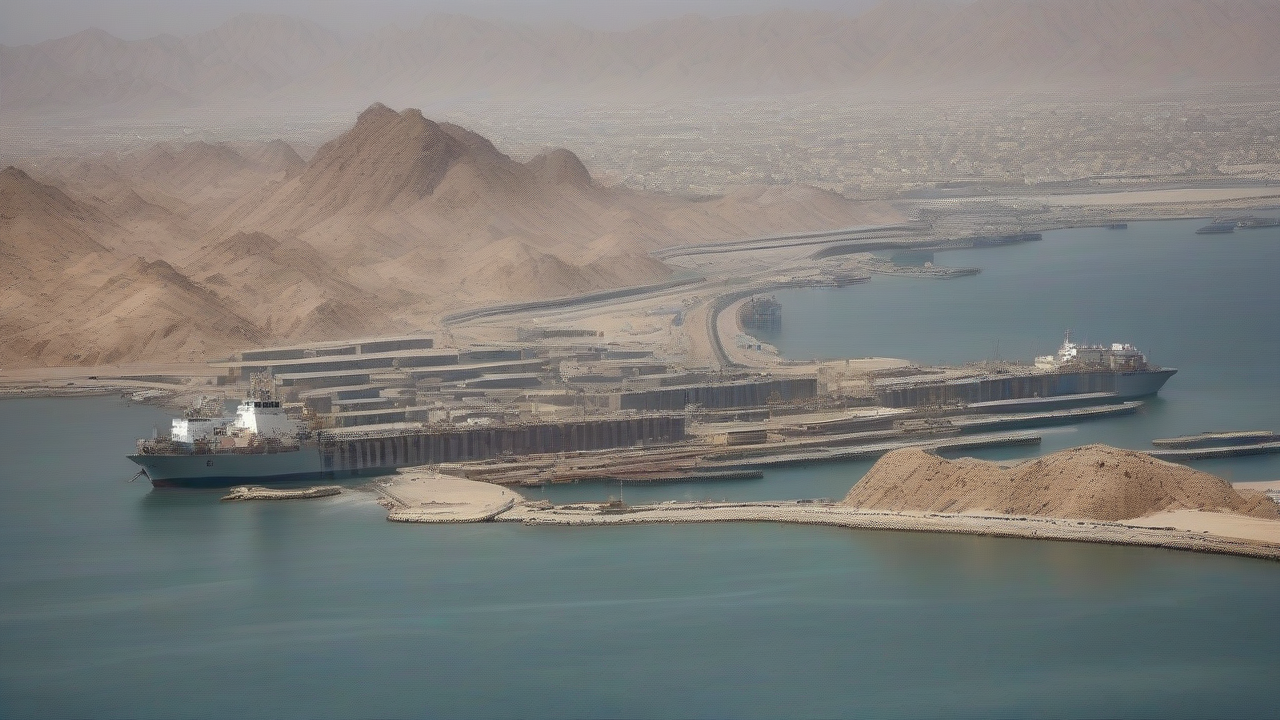
The Strait of Hormuz, which connects the Persian Gulf to the Gulf of Oman, is a vital shipping route for oil exports. Iran’s decision to block the strait has already led to a spike in oil prices, as reported by NBC News. The new supreme leader’s statement, as quoted by CNBC, that the strait must remain closed as a “tool to pressure the enemy,” suggests that the country is prepared to use its control over the waterway as a means of exerting influence over the region. Analysts note that this move is likely to escalate tensions between Iran and other countries, including the United States.
Global Implications
The situation in Iran has far-reaching implications for the global economy. As reported by The Hill, former US President Donald Trump has stated that the new supreme leader is “probably alive in some form,” but the exact nature of his injuries or condition remains unclear. Observers point out that the uncertainty surrounding the supreme leader’s health could lead to further instability in the region, making it challenging for countries to navigate the complex geopolitical landscape. The move to block the Strait of Hormuz is also likely to have a significant impact on the global oil market, with potential consequences for energy prices and economic growth.
Impact on Global Oil Prices
The blockade of the Strait of Hormuz has already led to a surge in oil prices, as reported by NBC News. This increase in oil prices is likely to have a ripple effect on the global economy, with potential consequences for inflation, economic growth, and consumer spending. According to sources, the situation is being closely monitored by oil-producing countries, which are considering measures to mitigate the impact of the blockade on global oil supplies.
What to Watch Next
As the situation in Iran continues to unfold, several key developments are likely to shape the outcome. The international community will be watching closely to see how Iran’s new supreme leader navigates the complex web of regional and global relationships. Upcoming decisions on the Strait of Hormuz, as well as any further statements from the supreme leader, will be crucial in determining the trajectory of the crisis. Additionally, the response of other countries, including the United States, will be important in shaping the regional dynamics and the global implications of the situation. As reported by AP News, the situation remains fluid, and further updates are expected in the coming days.

Reader Comments