
Escalating Tensions in the Middle East
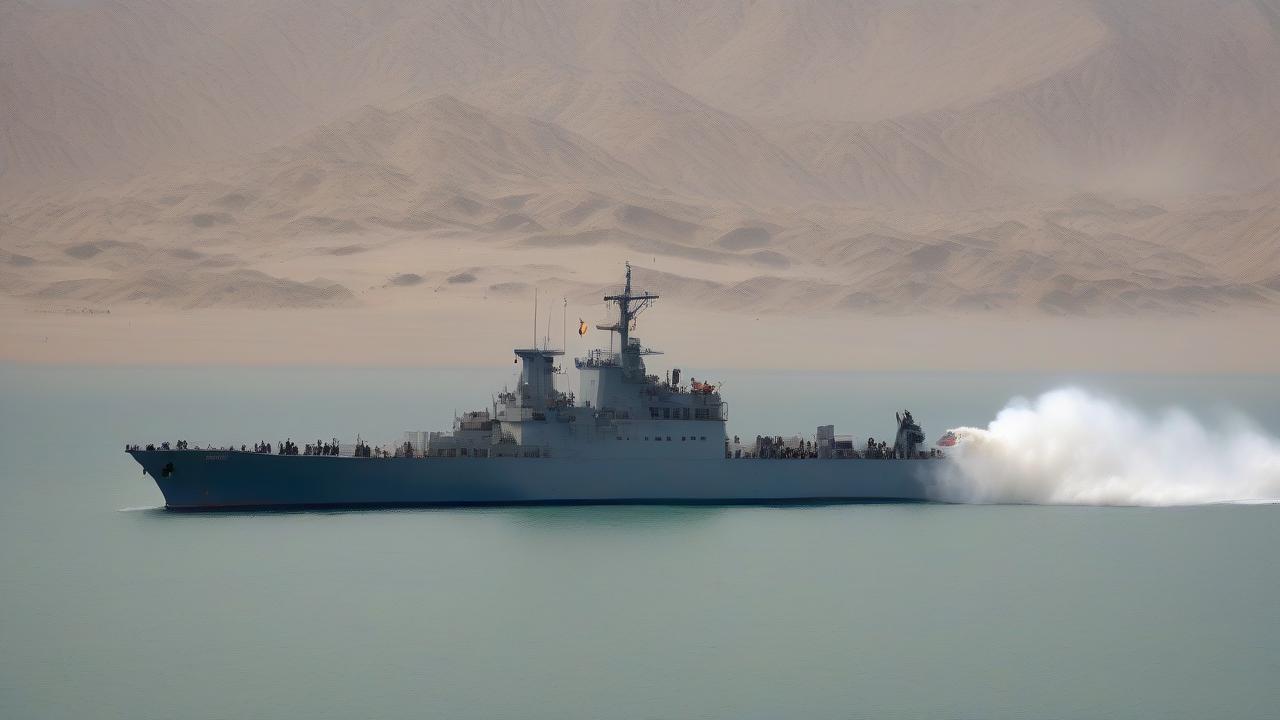
A recent surge in Iranian attacks on civilian ships has raised concerns across the globe, with the latest incident involving a container ship struck near Dubai. According to reports from Fox News, this incident is part of a larger pattern of aggression by Iran in the region. The escalation of attacks on key oil routes, such as the Strait of Hormuz, has significant implications for global oil supplies and international relations.
A Pattern of Aggression
Observers point out that the attacks on ships in the Gulf are a deliberate attempt by Iran to disrupt oil trade and exert pressure on the international community. Analysts note that the strategic location of the Strait of Hormuz, through which a substantial portion of the world’s oil passes, makes it a critical chokepoint for global energy supplies. As reported by Reuters, the frequency and audacity of these attacks suggest a calculated move by Iran to escalate tensions in the region.
Regional and Global Implications
The move signals a significant escalation of the conflict, with far-reaching consequences for the Middle East and beyond. Experts suggest that the targeting of ships, including a Thai tanker in the Strait of Hormuz, may be intended as a message to the United States and other Western powers. The attack has prompted Thailand to condemn the incident and summon the Iranian ambassador, as reported by Bloomberg. This diplomatic fallout underscores the complexity of the situation and the potential for further escalation.
Impact on Global Oil Supplies
The attacks on ships in the Gulf have significant implications for global oil supplies, as they threaten to disrupt the flow of oil through the Strait of Hormuz. According to CNN, the escalation of violence in the region has raised concerns about the stability of oil markets and the potential for price volatility. The impact of these attacks will be felt by consumers and industries around the world, making it a critical issue for international attention.
What to Watch Next
As the situation continues to unfold, observers will be watching for signs of further escalation or potential de-escalation. Upcoming diplomatic efforts, including potential meetings between regional leaders and international stakeholders, will be crucial in determining the trajectory of the conflict. Additionally, the response of the international community, including the United States and other major powers, will be closely monitored. As reported by CBS News, analysts will be looking for indications of whether the attacks are indeed a message to the U.S. and how the U.S. will respond to these provocations. The situation remains highly volatile, and developments in the coming days and weeks will be critical in shaping the future of the region.

Reader Comments