
Escalating Tensions in the Middle East
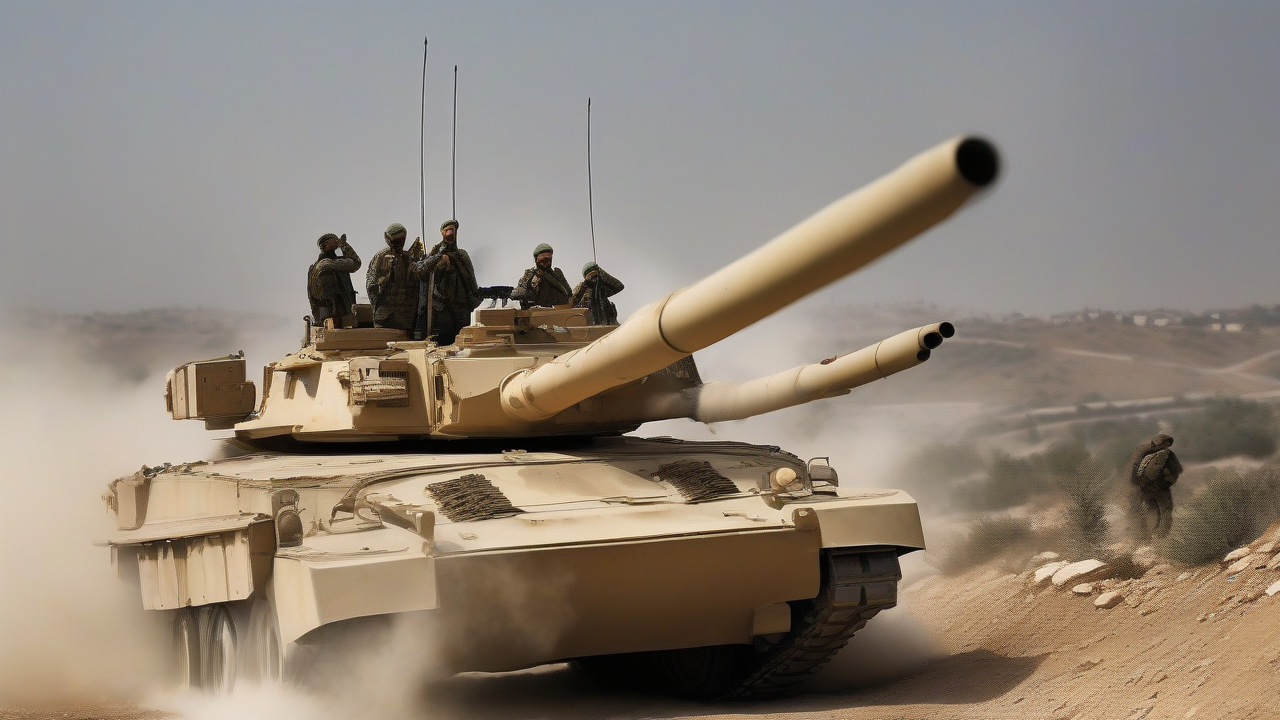
The Middle East is bracing for a potentially catastrophic conflict as Hezbollah, a Lebanese Shia Islamist militant group, has reportedly gone “all in” on a war against Israel, according to a report by The Times of Israel. This development comes as observers note that the region is already on high alert due to the ongoing tensions between Israel and Iran. Analysts point out that Hezbollah’s decision to engage in an “existential” war against Israel could have far-reaching consequences, not only for the group itself but also for the entire region.
A Gamble with Uncertain Outcomes
Hezbollah’s gamble is seen as a high-risk strategy, with some experts suggesting that it could be the group’s last stand. As reported by Phenomenal World, Hezbollah’s return to its guerrilla roots is a significant shift in strategy, one that awaits an Israeli invasion. This move signals a new level of escalation in the conflict, with Hezbollah seemingly prepared to take on the Israeli military in a battle that could have devastating consequences for both sides. According to Reuters, Hezbollah’s decision to adopt a more aggressive stance is likely driven by its desire to regain lost influence and territory in Lebanon.
Regional Implications
The conflict between Hezbollah and Israel is not occurring in a vacuum. Observers point out that the situation is closely tied to the broader tensions between Israel and Iran, with the Israel-Lebanon border emerging as another front in this ongoing struggle, as noted by NPR. The dynamics at play are complex, involving not just the immediate parties but also other regional actors. Haaretz reports that Hezbollah’s resurgence in Lebanon can be attributed to its ability to “follow the money,” highlighting the financial aspects of the conflict and how they contribute to the group’s strength and influence.
Humanitarian Concerns
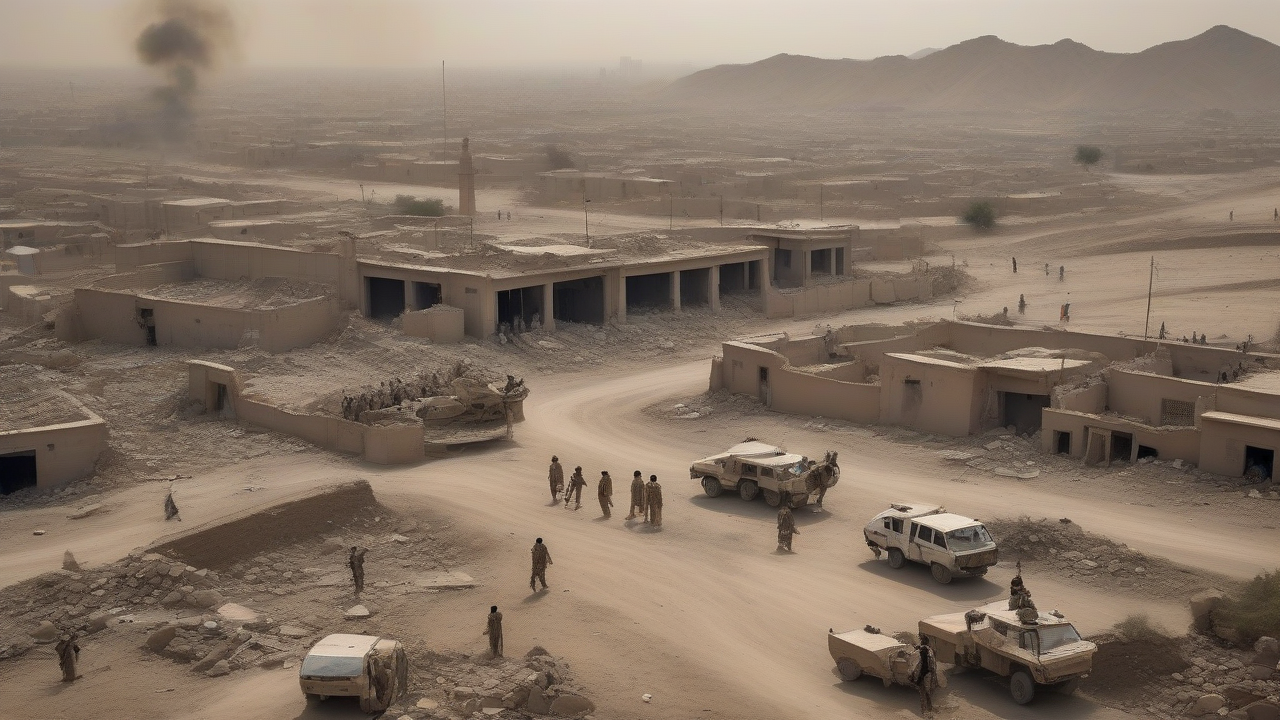
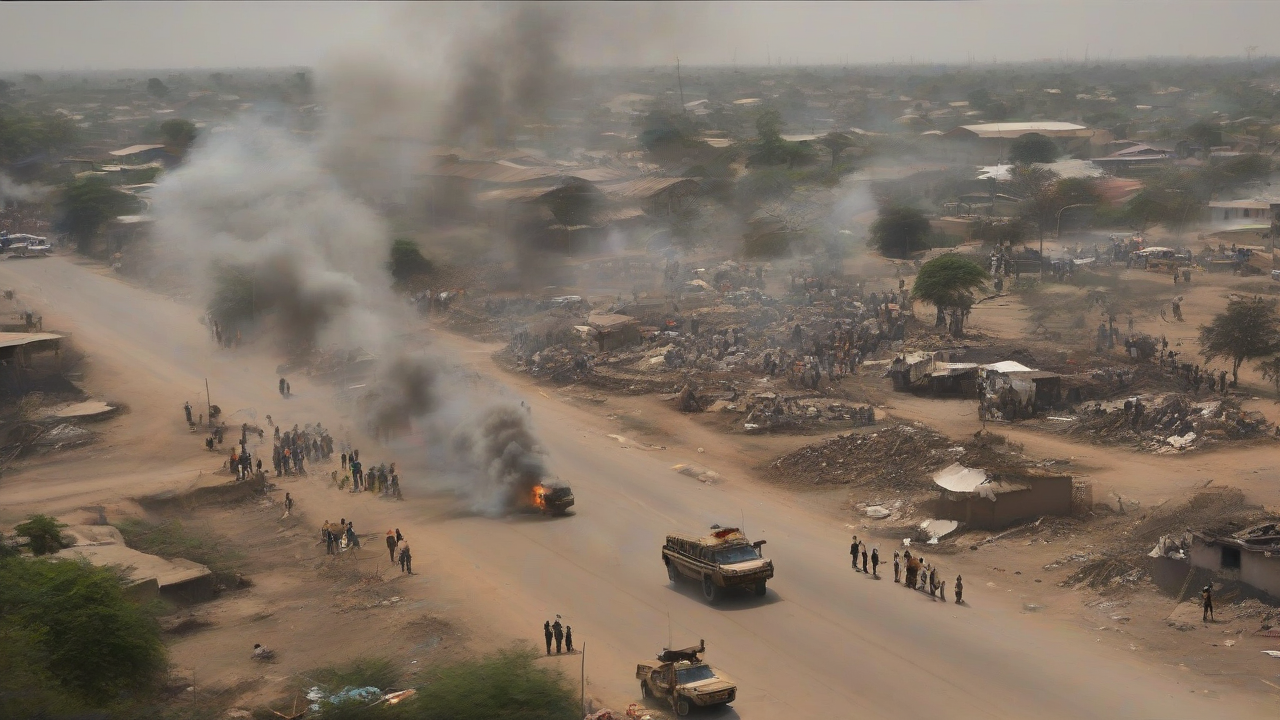
The potential for a large-scale conflict between Hezbollah and Israel raises significant humanitarian concerns. Analysts note that such a war would not only result in substantial loss of life but also lead to widespread displacement and destruction of infrastructure. The impact on civilians, particularly in Lebanon and Israel, would be severe, with the possibility of a humanitarian crisis looming large. As the situation continues to escalate, the international community is watching with bated breath, hoping for a diplomatic resolution to the conflict before it’s too late.
Looking Ahead
As the region teeters on the brink of war, all eyes are on the next moves of the key players involved. According to sources, the coming weeks will be crucial in determining the trajectory of the conflict. Diplomatic efforts are underway to prevent an all-out war, but the success of these endeavors remains uncertain. The international community, including major powers and regional actors, will play a critical role in shaping the outcome of this crisis. As reported by various news outlets, including The Times of Israel and Reuters, the situation is fluid and prone to sudden changes, making it essential to monitor developments closely. The question on everyone’s mind is what the future holds for the Middle East, and whether the parties involved can find a path to peace before the conflict escalates further.

Reader Comments