
Ongoing Tensions in the Middle East
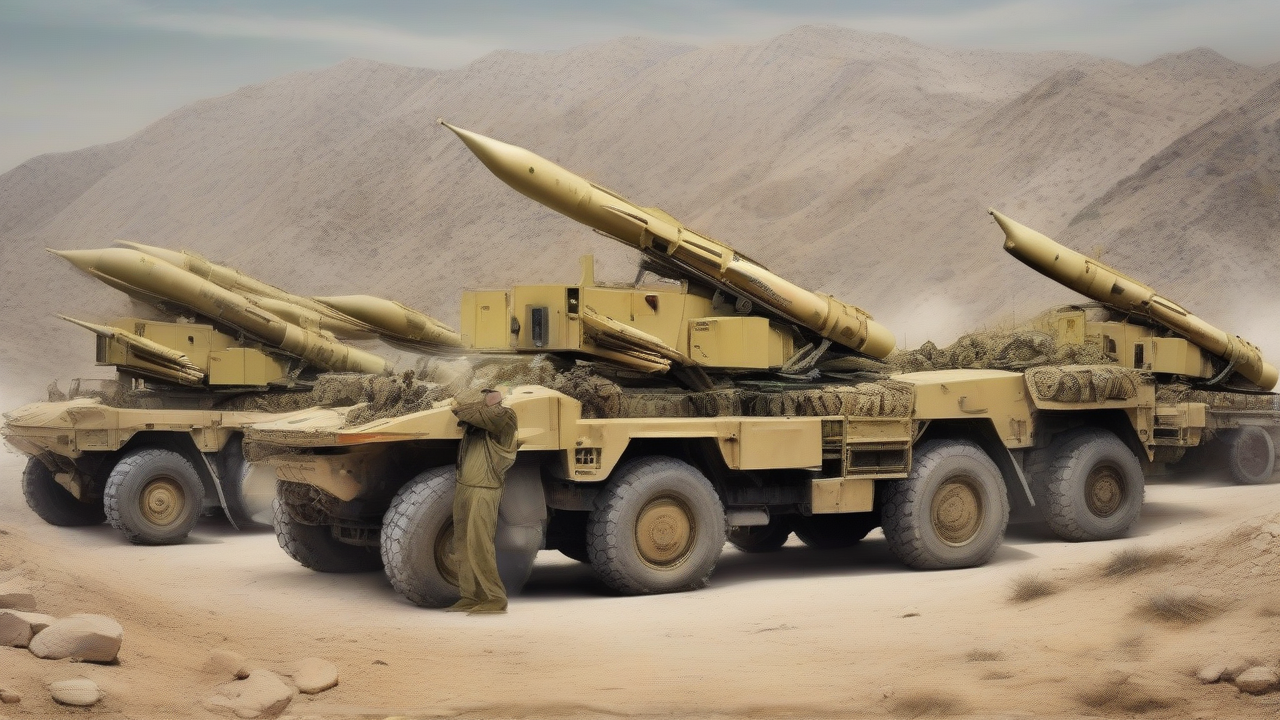
The volatile situation in the Middle East has taken a turn for the worse, with Hezbollah still possessing over 1,000 long-range missiles capable of striking Israel, according to reports from The Jerusalem Post. This revelation comes amidst escalating tensions between Israel and Iran, with the latter’s Supreme Leader emphasizing the need for the Strait of Hormuz to remain closed, as reported by The New York Times.
Context and Implications
Analysts note that the presence of such a significant arsenal at Hezbollah’s disposal signals a persistent threat to regional stability. The group’s ability to launch rocket barrages, as seen in recent attacks, underscores the remaining potency of its arsenal, despite being “gutted” in previous conflicts, as observed by The Times of Israel. Experts point out that this capacity for retaliation is a crucial factor in the strategic calculations of both Israel and its adversaries, influencing the trajectory of the conflict.
Recent Developments and Responses
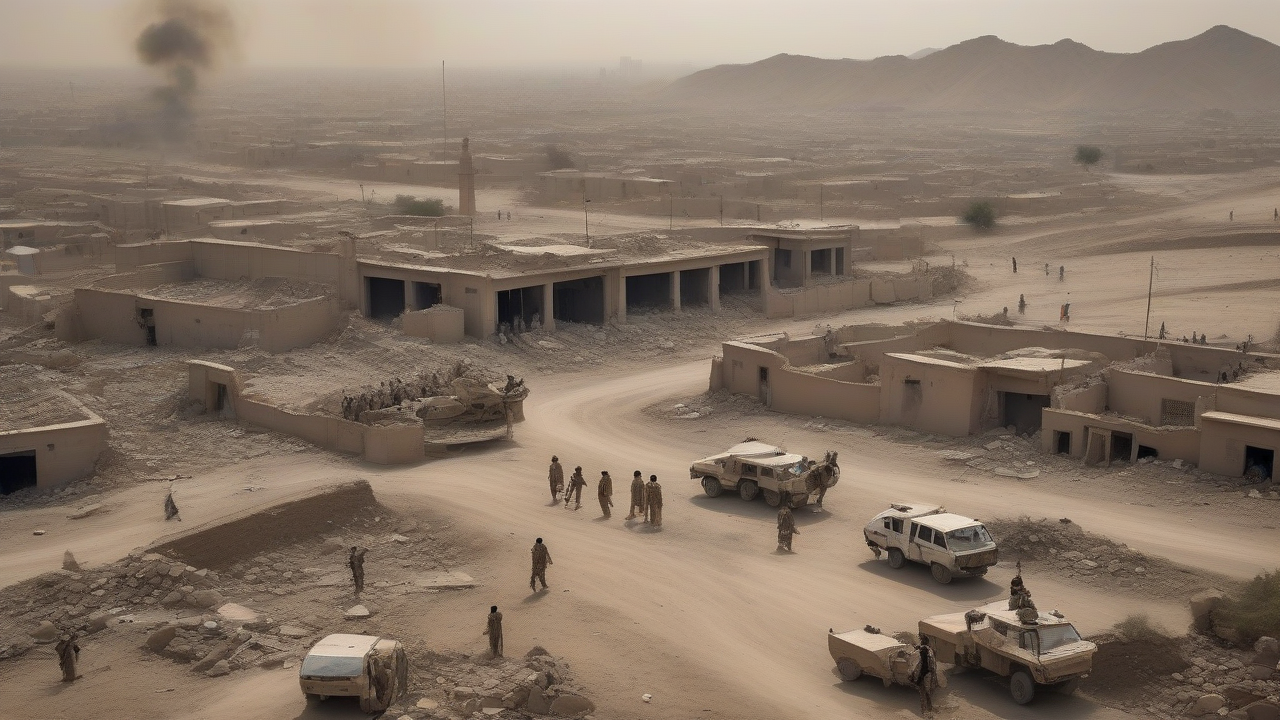
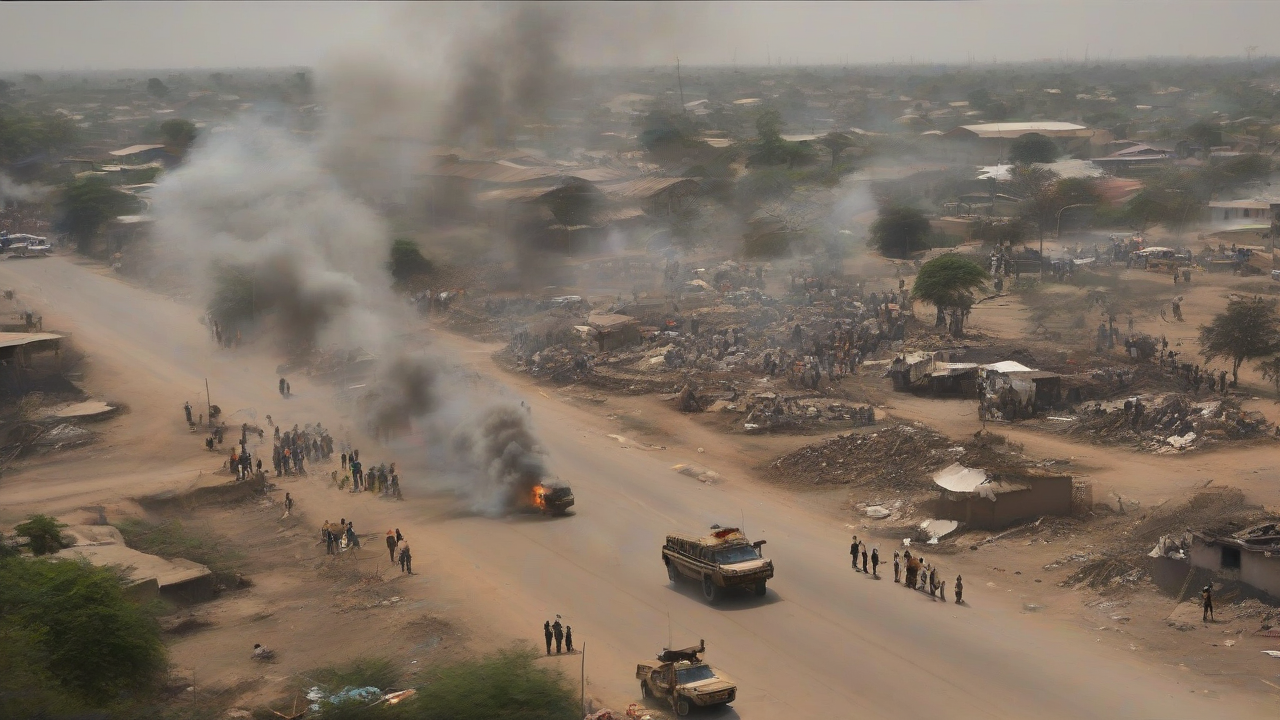
In response to the rocket barrage launched by Hezbollah, Israel has pounded the suburbs of Beirut, as reported by the BBC. This move is seen as an attempt to deter future attacks and degrade the group’s military capabilities. Observers point out that Israel’s destruction of rocket launchers has helped blunt the impact of Hezbollah’s barrage, according to the Wall Street Journal. However, the ongoing exchange of fire and the presence of long-range missiles pose significant challenges to de-escalation efforts.
Impact on Regional Stability
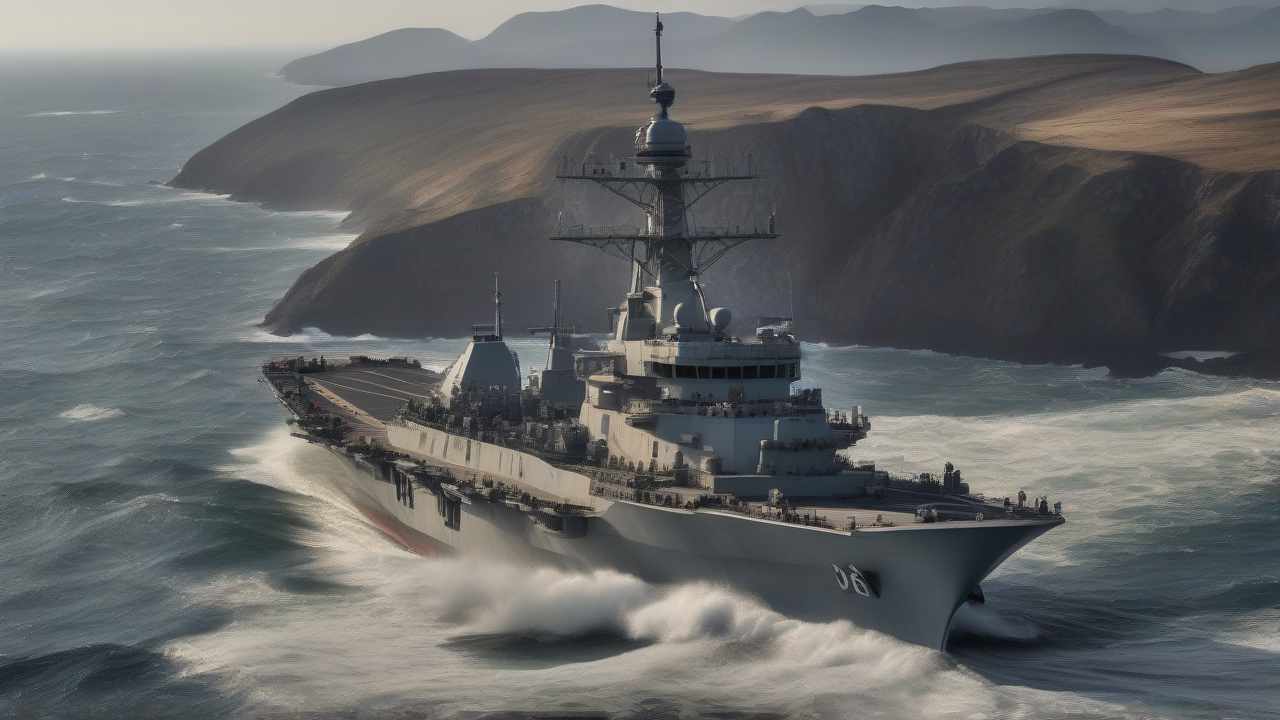
The stakes are high, with the conflict affecting not only the immediate parties involved but also the broader region. As reported by The Jerusalem Post, the situation has the potential to draw in other actors, further complicating the already fragile balance of power in the Middle East. Analysts warn that the escalation of hostilities could have far-reaching consequences, including the disruption of critical shipping lanes and the exacerbation of existing sectarian tensions.
Looking Ahead
As the situation continues to unfold, observers will be watching closely for any signs of de-escalation or further escalation. Upcoming developments, such as potential diplomatic initiatives or military maneuvers, will be crucial in determining the trajectory of the conflict. According to sources, the international community is urging restraint and calling for a return to negotiations, but the path forward remains uncertain. As the region teeters on the brink of further instability, one thing is clear: the presence of over 1,000 long-range missiles in Hezbollah’s arsenal ensures that the threat of violence will persist, making a lasting resolution to the conflict increasingly elusive.
Reader Comments