
Escalating Tensions in the Middle East
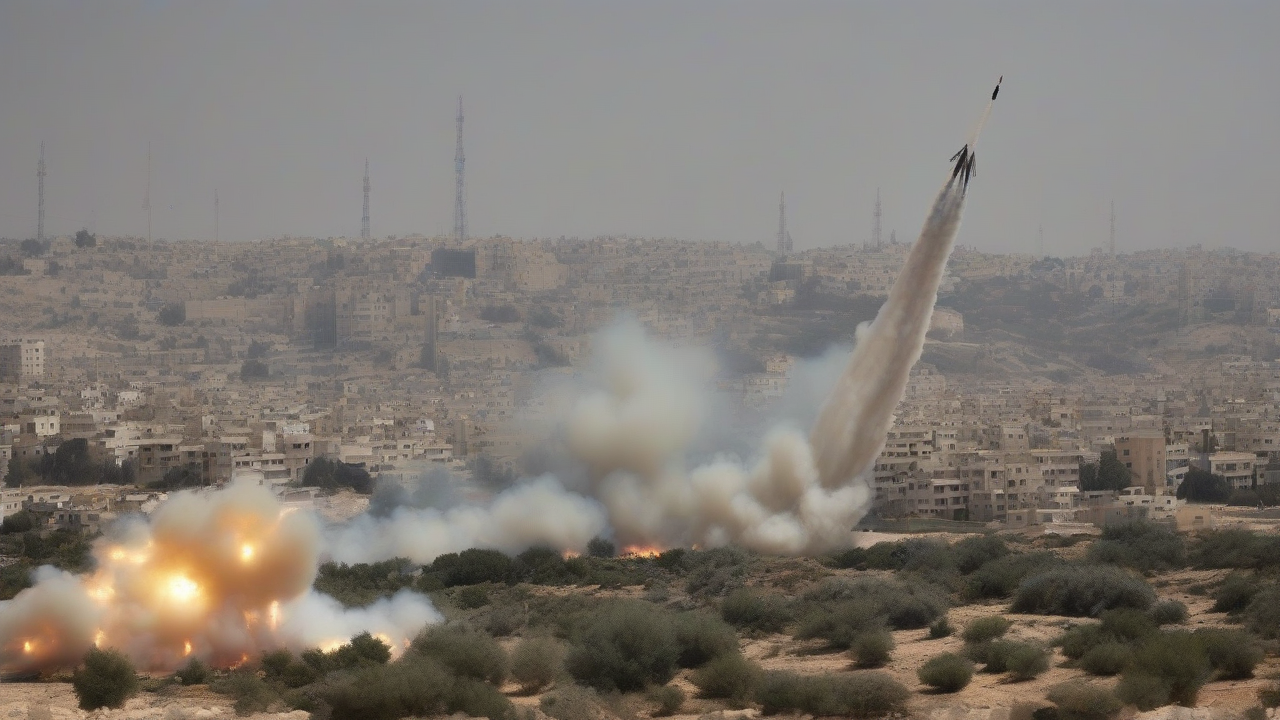
The recent barrage of rockets launched by Hezbollah at Israel’s North, resulting in five injuries, has been seen by the Israel Defense Forces (IDF) as a sign of the significant impact of joint Israeli and US efforts against Iran. According to the IDF, this escalation is indicative of the pressure Iran is under, as reported by the New York Post. This development underscores the complex and volatile nature of the region, where the potency of Hezbollah’s arsenal, despite being “gutted,” remains a concern, as noted by The Times of Israel.
Context and Implications
Observers point out that the joint attack by Hezbollah and Iran signals a deepening alliance between the two, with significant implications for regional stability. The move also highlights the remaining capabilities of Hezbollah, despite efforts by Israel and the US to weaken the organization. Analysts note that such actions by Hezbollah are a gamble, as discussed in Phenomenal World, aiming to assert its strength and influence in the face of adversity. However, this gamble also comes with the risk of further escalation and retaliation from Israel, potentially drawing in other regional actors.
Impact on the Ground
The people most affected by these escalating tensions are the civilians on both sides of the conflict. The rocket barrages have not only caused injuries but have also disrupted daily life, creating an atmosphere of fear and uncertainty. As reported by Yahoo, the scale of the attack, with about 200 rockets launched, underscores the severity of the situation. Furthermore, Israel’s decision to expand operations in Lebanon, as announced by its defense minister and reported by Reuters, is likely to increase tensions further, potentially leading to more violence and instability in the region.
Expert Analysis
Experts in the field suggest that the current situation is a culmination of long-standing tensions between Israel, Iran, and their respective allies in the region. The involvement of the US adds another layer of complexity, with analysts noting that the US-Israeli alliance has been a significant factor in the pressure being exerted on Iran. The situation is further complicated by the internal dynamics within Lebanon, where Hezbollah holds significant political and military influence, making any external intervention challenging.
Looking Ahead
As the situation continues to unfold, several key developments are worth watching. The expansion of Israeli operations in Lebanon could lead to a significant escalation of the conflict, drawing in other regional and international actors. Additionally, the response from Iran and its allies will be crucial in determining the next steps in this crisis. Observers will also be closely monitoring the diplomatic efforts, if any, to de-escalate the situation and prevent further violence. According to sources, including the New York Post and Reuters, the coming days will be critical in assessing the trajectory of this conflict and its implications for the broader Middle East region.
Broader Implications
The current escalation between Israel and Hezbollah, with Iran’s involvement, has broader implications for global security and diplomacy. It highlights the challenges of navigating complex alliances and rivalries in the Middle East, where external powers such as the US play significant roles. The situation also underscores the need for sustained diplomatic efforts to address the underlying issues driving these conflicts, including territorial disputes, political influence, and security concerns. As the international community watches the developments in the region, there is a growing recognition of the need for a comprehensive and inclusive approach to achieving peace and stability in the Middle East.

Reader Comments