
Tensions in the Middle East
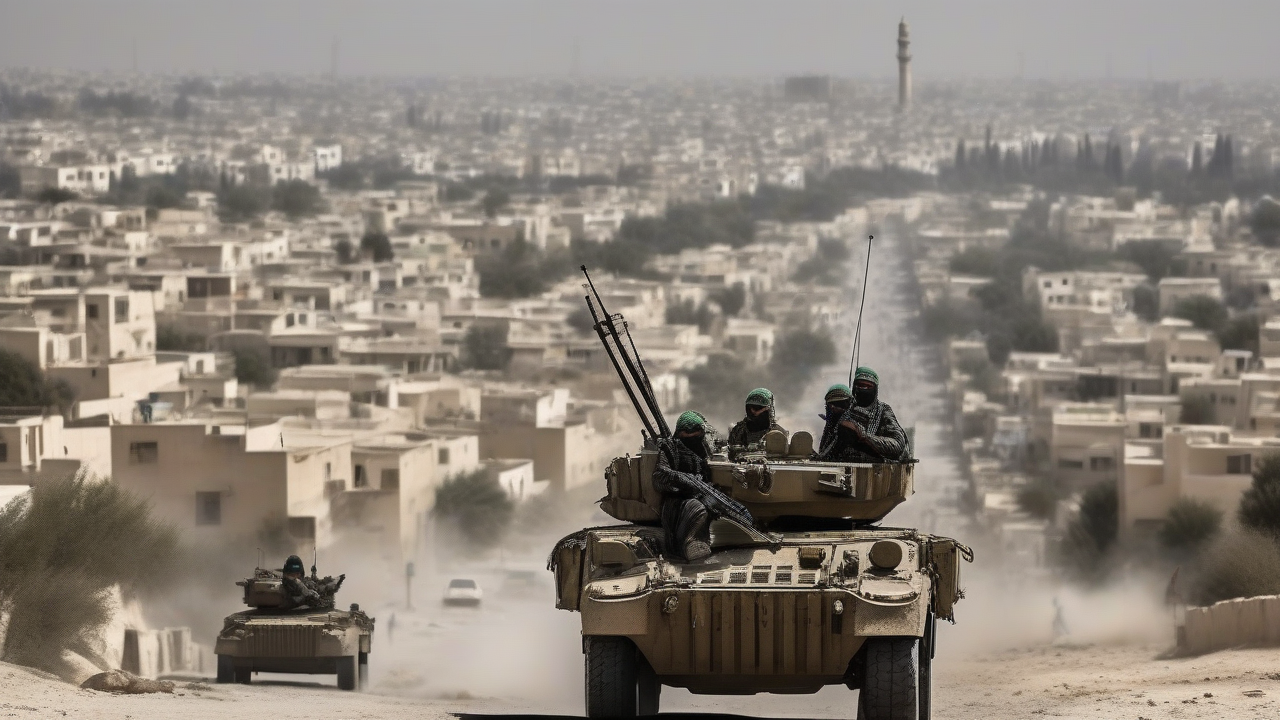
A significant development in the Middle East has unfolded as Hamas, a Palestinian armed group, has called upon its key ally, Iran, to cease its attacks on Gulf states. This move comes as part of a complex web of alliances and tensions in the region, where various actors are navigating their interests and defenses. According to reports from BBC World, Hamas has made this appeal while also emphasizing Iran’s right to defend itself against what it perceives as aggression from the United States and Israel.
The Broader Context
The Middle East has long been a hotbed of geopolitical tensions, with various countries and groups vying for influence and security. Observers point out that the relationship between Iran and Gulf states has been particularly strained, with issues such as territorial disputes, religious differences, and competition for regional dominance contributing to the animosity. Analysts note that Iran’s actions in the region are often seen as a crucial factor in the balance of power, with its military and economic might making it a significant player.
Implications of the Appeal
The appeal by Hamas for Iran to halt its attacks on Gulf states signals a nuanced approach by the Palestinian group to the complex geopolitical landscape. While affirming its alliance with Iran, Hamas is also acknowledging the need for de-escalation in a region prone to conflict. This move could have significant implications for the dynamics between Iran and the Gulf states, as well as for the broader Middle East peace process. Experts suggest that any reduction in hostilities could create an environment more conducive to diplomatic efforts, potentially paving the way for more substantial negotiations on longstanding issues.
Impact on Regional Stability
The effects of Hamas’s appeal are likely to be felt across the region, with various parties assessing the implications of this development. As reported by BBC World, sources indicate that the move is being closely watched by regional and international actors, who are eager to understand how this might influence the trajectory of conflicts in the Middle East. The stakes are high, with the potential for either increased stability or further escalation hanging in the balance. Analysts point out that the response from Iran, as well as from the Gulf states and other involved parties, will be critical in determining the outcome.
Looking Ahead
As the situation continues to unfold, observers are awaiting the response from Iran and other key players in the region. Upcoming diplomatic meetings and statements from involved parties will be closely scrutinized for signs of either de-escalation or further conflict. According to analysts, the next few weeks will be crucial in determining whether Hamas’s appeal can contribute to a reduction in tensions or if the region will continue on a path of heightened conflict. The international community, including the United States and other global powers, will also be watching closely, as the stability of the Middle East has far-reaching implications for global security and economic interests.

Reader Comments