
Escalating Tensions in the Gulf
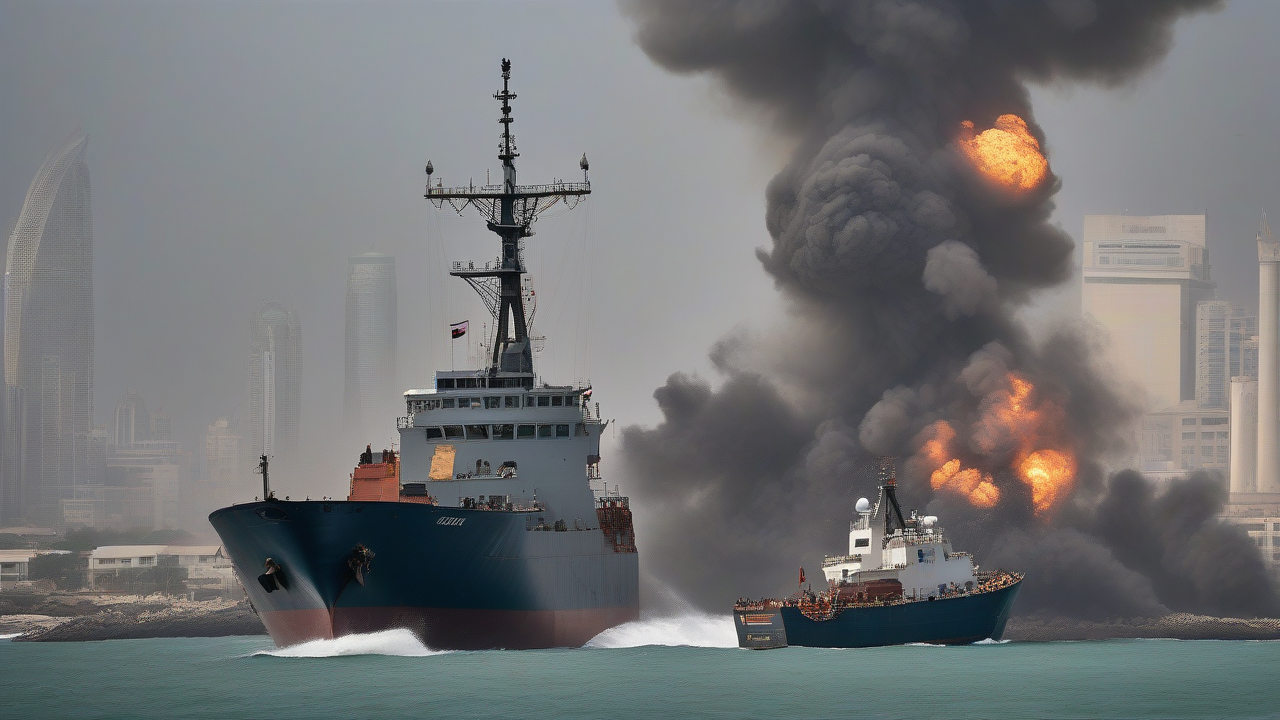
The Middle East shipping crisis has deepened with reports of attacks on three additional cargo ships in the Gulf, according to Bloomberg.com. This development has contributed to a surge in oil prices, which are now nearing $100 per barrel. The escalating situation in the region has significant implications for global energy markets and international trade.
A Worsening Crisis
Observers point out that the attacks on cargo ships are part of a broader pattern of aggression in the region. Iran’s new supreme leader has vowed to continue blocking the Strait of Hormuz, a critical waterway for international oil shipments, as reported by NBC News. This move has sparked concerns about the potential for a prolonged closure of the strait, which could have far-reaching consequences for the global economy.
International Response
The United Nations has demanded an immediate halt to the attacks on Gulf neighbors, with the top UN body calling for a peaceful resolution to the crisis, as reported by AP News. However, Iran’s actions have shown no signs of abating, with the country targeting the busiest international airport in the region. Analysts note that this escalation raises the specter of a prolonged and potentially devastating conflict.
Impact on Global Energy Markets
The crisis in the Gulf has already begun to affect global energy markets, with oil prices spiking in response to the attacks on cargo ships. Experts predict that a prolonged closure of the Strait of Hormuz could lead to significant shortages and price increases, with potentially catastrophic consequences for industries reliant on oil. According to sources, the situation is being closely monitored by energy traders and governments around the world.
Broader Implications
The escalating crisis in the Gulf has significant implications for international trade and global security. The Strait of Hormuz is a critical waterway, with a significant proportion of the world’s oil passing through it. A prolonged closure could have far-reaching consequences, including shortages, price increases, and potential instability in the region. As reported by the Wall Street Journal, the situation is being watched closely by governments and industry leaders, who are bracing for the potential consequences of a prolonged crisis.
What’s Next
As the situation in the Gulf continues to deteriorate, observers are watching for signs of a potential breakthrough in diplomatic efforts to resolve the crisis. The international community is calling for a peaceful resolution, but Iran’s actions suggest that a negotiated settlement may be difficult to achieve. With the situation showing no signs of abating, the world is bracing for the potential consequences of a prolonged and devastating conflict. According to sources, the next few days will be critical in determining the course of the crisis, with the international community holding its breath as it waits to see how the situation will unfold.

Reader Comments