
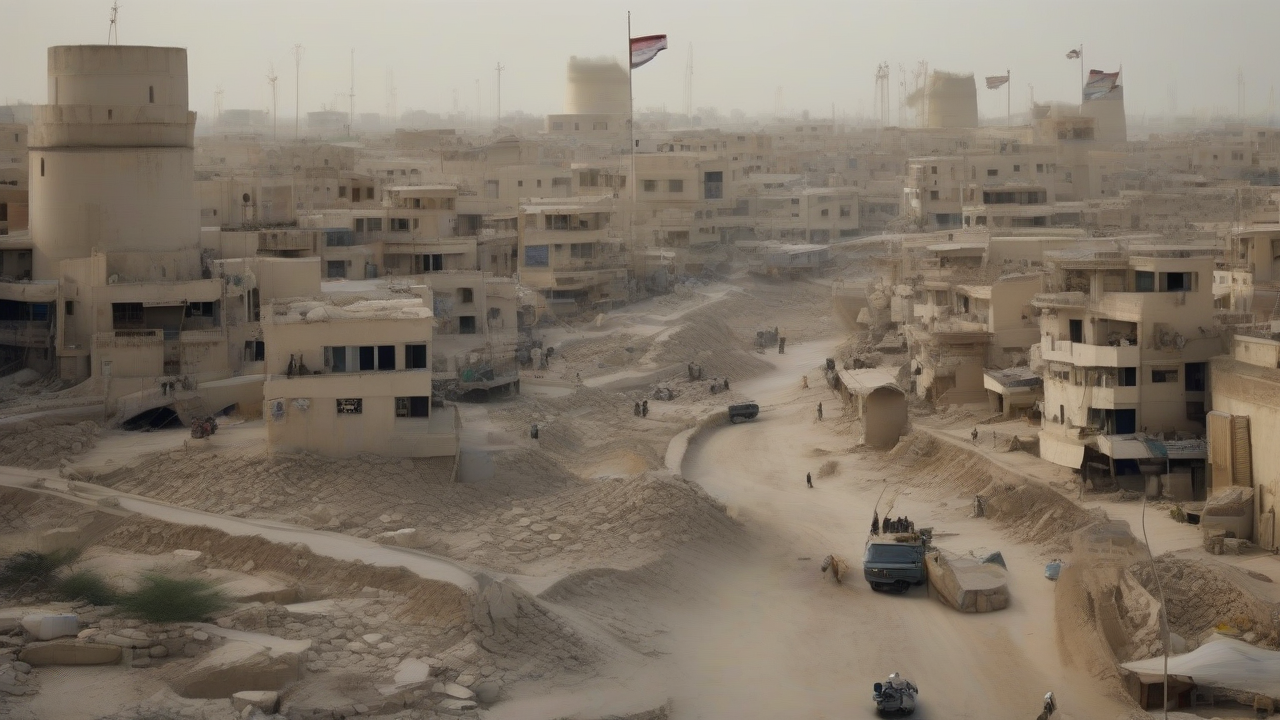
Economic Uncertainty Grips the Gulf
The prospect of a prolonged conflict with Iran is casting a shadow over the economies of Gulf states, with analysts noting that the region may be on the cusp of its worst economic slump since the 1990s. According to reports by Bloomberg, the escalating tensions between the US and Iran have already begun to take a toll on the region’s economic stability.
A Region on Edge
Observers point out that the Gulf states, which have historically been heavily reliant on oil exports, are particularly vulnerable to the economic fallout of a conflict with Iran. As reported by Reuters, Gulf sources indicate that the US ignition of the Iran war has left the Gulf Arab states to pay the price, with the region’s security and economic stability coming under increasing strain. The Economist has raised questions about whether the Gulf states should join attacks on Iran, highlighting the complex geopolitical dynamics at play.
Broader Implications
The move signals a significant shift in the region’s economic landscape, with far-reaching implications for trade, investment, and growth. Analysts note that the conflict has already led to a decline in investor confidence, a decrease in oil production, and a rise in military spending. As France 24 has reported, Iran’s retaliatory strikes across the Gulf region are affecting the US’ war strategy, adding to the uncertainty and instability in the region.
Impact on the Region
The economic slump would have a significant impact on the people of the Gulf region, with potential consequences including job losses, reduced government revenues, and decreased living standards. According to Jadaliyya, the Gulf’s security is coming apart, with the region’s instability threatening to spill over into other areas. The humanitarian consequences of a prolonged conflict would be severe, with civilians likely to bear the brunt of the economic and security fallout.
What to Watch Next
As the situation continues to unfold, observers will be watching closely for any signs of escalation or de-escalation in the conflict. Upcoming developments, including potential diplomatic efforts and shifts in military strategy, will be crucial in determining the trajectory of the region’s economies. With the stakes high and the region’s stability hanging in the balance, the international community will be closely monitoring the situation, seeking a resolution that minimizes the economic and humanitarian costs of the conflict. As reported by Bloomberg, the Gulf economies are at risk of their worst slump since the 1990s, making a swift and peaceful resolution to the conflict essential for the region’s economic and security stability.

Reader Comments