
Global Energy Markets in Flux
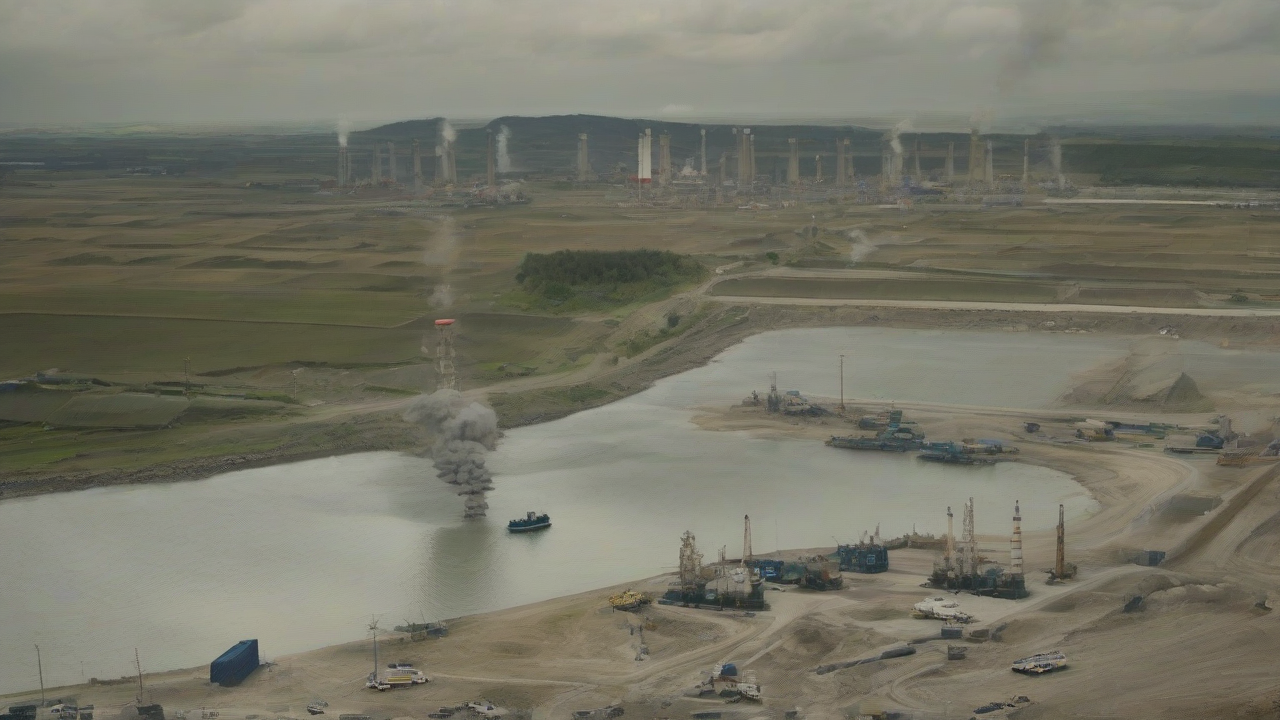
The recent surge in oil prices, sparked by the ongoing US-Israel conflict with Iran, has prompted a significant response from the G7 nations. According to reports from BBC World, the group has expressed support for a potential record release of oil reserves, a move aimed at stabilizing the global energy market. This development comes as crude oil prices continue to soar, affecting economies and consumers worldwide.
Context and Implications
Analysts note that the US-Israel war with Iran has had a profound impact on global oil prices, with the cost of crude oil increasing substantially since the conflict began. The move by the G7 nations to consider releasing oil reserves is seen as a strategic effort to counterbalance the price surge and mitigate its effects on the global economy. Observers point out that this decision signals a coordinated approach by major economies to address the ongoing energy crisis. As reported by BBC World, the potential release of oil reserves is expected to have far-reaching implications for the global energy market, with possible effects on inflation, economic growth, and consumer spending.
Expert Analysis
Industry watchers suggest that the release of oil reserves could provide temporary relief to the global energy market, helping to ease the upward pressure on prices. However, they also caution that this measure may not be sufficient to fully address the underlying issues driving the price surge. The move signals a recognition by the G7 nations of the need for collective action to stabilize the energy market and prevent further economic disruption. According to sources, the decision to release oil reserves is subject to further discussion and coordination among the G7 nations, with the aim of achieving a unified response to the ongoing energy crisis.
Impact on Global Economies
The surge in oil prices has significant implications for economies around the world, particularly those heavily reliant on imported oil. Consumers are likely to feel the effects of higher prices at the pump, while businesses may face increased costs for energy and transportation. Analysts note that the impact of the price surge will be felt across various sectors, including manufacturing, transportation, and agriculture. The move by the G7 nations to release oil reserves is seen as an effort to cushion the blow of higher energy costs and prevent a broader economic downturn.
Forward-Looking Developments
As the situation continues to unfold, observers will be watching closely for further developments in the global energy market. The upcoming meetings of the G7 nations and other international organizations will be crucial in determining the next steps in addressing the energy crisis. According to BBC World, the decision on the release of oil reserves is expected to be finalized in the coming weeks, with the potential for significant effects on the global economy. As the world waits for a resolution to the US-Israel conflict with Iran, the focus will remain on the efforts of major economies to stabilize the energy market and prevent further economic disruption. Sources indicate that the outcome of these efforts will have a profound impact on the global economy, making the next few weeks critical in shaping the future of the energy market.


Reader Comments