
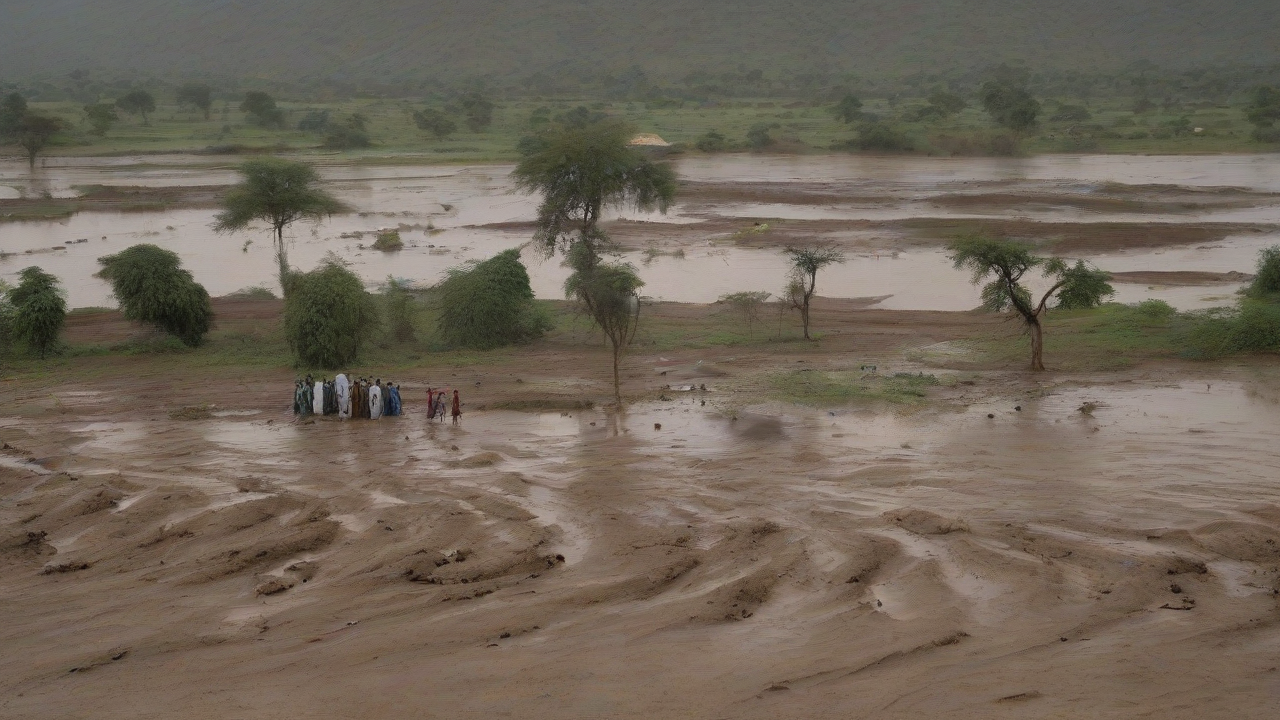
Rising Toll from Natural Disasters in Ethiopia
The death toll from recent floods and landslides in Ethiopia has climbed to over 60, according to reports from the region. This devastating outcome is part of a larger trend of increasingly severe weather events, which forecasters attribute in part to the effects of global warming. As reported by BBC World, the situation underscores the growing vulnerability of communities in the face of more intense storms.
Context of Climate Change
Observers point out that global warming is leading to more extreme weather patterns worldwide, including in regions like Ethiopia. The move signals a shift towards more unpredictable and dangerous climate conditions, which can have catastrophic consequences for local populations. Analysts note that the increased intensity of storms is not only a result of natural variability but also a consequence of human-induced climate change. This context is crucial for understanding the severity of the situation in Ethiopia and the need for both immediate relief efforts and long-term strategies to mitigate the impacts of climate change.
Impact on Local Communities
The floods and landslides have affected numerous communities, causing widespread destruction and displacement. According to sources, the impact is felt across various sectors, including housing, agriculture, and infrastructure. The stakes are high, with many families losing their homes, livelihoods, and, in some cases, loved ones. Experts emphasize that the psychological and socio-economic impacts of such disasters can be long-lasting, making it essential to provide comprehensive support to affected communities.
Forward-Looking Strategies
As Ethiopia and other countries in the region prepare for potential future disasters, there is a growing recognition of the need for proactive measures. This includes investing in early warning systems, enhancing disaster preparedness and response capabilities, and implementing climate-resilient infrastructure. Moreover, addressing the root causes of climate change, such as reducing greenhouse gas emissions, is critical for mitigating the severity of future weather events. Analysts suggest that international cooperation and support will be vital in helping countries like Ethiopia to build resilience against the increasing threats posed by climate change.
Upcoming Developments
In the coming weeks and months, observers will be watching how the Ethiopian government and international community respond to the current crisis and prepare for future challenges. Key areas to watch include the deployment of relief efforts, the implementation of climate change mitigation strategies, and the development of more robust disaster management plans. As reported by BBC World, the situation in Ethiopia serves as a stark reminder of the urgent need for collective action to address the global climate crisis. Sources indicate that upcoming international climate meetings will be crucial for securing commitments and actions from countries around the world to reduce their carbon footprint and support vulnerable nations in their efforts to adapt to a changing climate.

Reader Comments