

Rising Tensions in the Strait of Hormuz
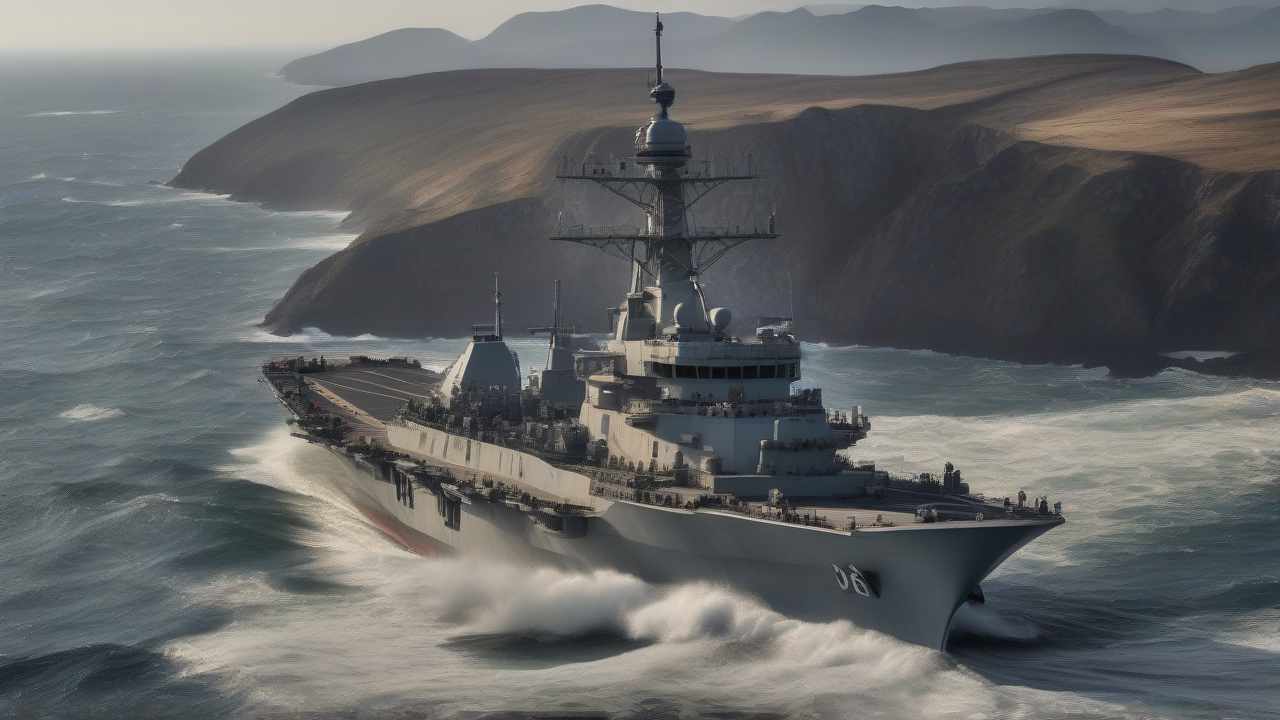
The European Union is considering a significant shift in its naval mission to protect the strategic Strait of Hormuz, according to reports from Euronews.com. This development comes as the United States, under the leadership of President Trump, calls for a maritime coalition to secure the vital waterway. The move is seen as a response to rising tensions in the region, particularly with Iran, and has significant implications for global trade and security.
A Critical Waterway
The Strait of Hormuz is a critical chokepoint for international trade, with approximately 20% of the world’s oil passing through it. As reported by CNN, the Strait’s security is of paramount importance to the global economy, and any disruption to traffic could have far-reaching consequences. Analysts note that the EU’s potential shift in naval mission could be a key factor in maintaining stability in the region.
European Resistance to US Demands
However, European leaders have been resistant to President Trump’s demands for military involvement in securing the Strait of Hormuz, as reported by The New York Times. The EU has instead opted for a more diplomatic approach, seeking to de-escalate tensions with Iran through dialogue and negotiation. Observers point out that this approach reflects a deeper divide between the US and Europe on issues of security and foreign policy.
Implications for Global Trade
The situation in the Strait of Hormuz has significant implications for global trade, with potential disruptions to oil supplies and shipping lanes. According to Al Jazeera, European countries are keen to avoid military involvement, which could exacerbate the situation and lead to further instability. Instead, they are focusing on diplomatic efforts to resolve the crisis and maintain the free flow of trade.
What’s Next
As the situation continues to unfold, observers will be watching closely for any developments in the EU’s naval mission and the US’s efforts to build a maritime coalition. The outcome of these efforts will have significant implications for global security and trade, and will be closely monitored by analysts and policymakers around the world. As reported by The Guardian, the next few weeks will be critical in determining the course of events in the Strait of Hormuz, and the world will be watching with bated breath.
Broader Implications
The crisis in the Strait of Hormuz is not just a regional issue, but has broader implications for global security and trade. Experts note that the situation reflects a deeper shift in the global balance of power, with the US and Europe increasingly at odds over issues of security and foreign policy. As the situation continues to evolve, it will be important to consider the longer-term implications for global stability and cooperation. According to sources indicated by Euronews.com, the EU’s approach to the crisis will be critical in determining the outcome, and will have significant implications for the future of global trade and security.

Reader Comments