
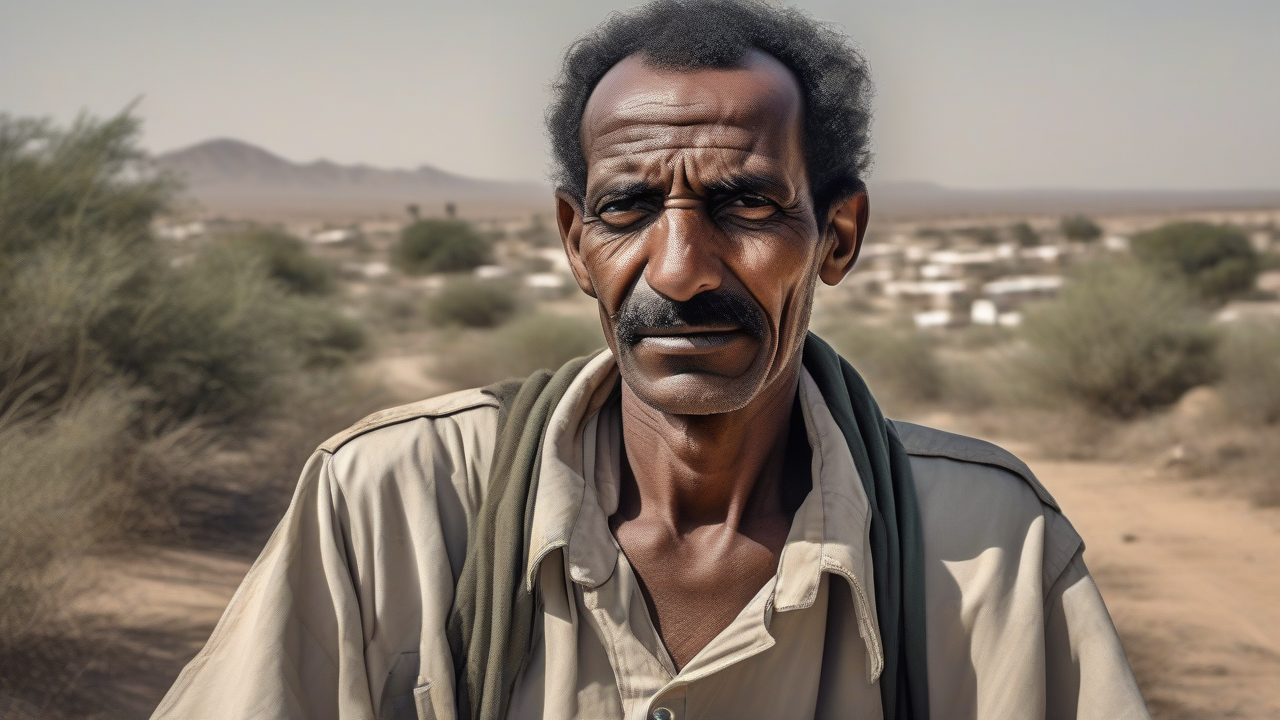
A Long-Awaited Release: Eritrean Cartoonist Freed After 15 Years
In a significant development, Eritrean cartoonist Biniam Solomon has been released from prison after serving 15 years without charge, according to reports from BBC World. This move comes as a surprise to many, given the country’s history of suppressing free speech and independent media. Analysts note that Solomon’s release may signal a shift in the government’s approach to handling dissenting voices, although it is too early to determine the implications of this decision.
Background and Context
Before his imprisonment, Biniam Solomon was a prominent figure in Eritrea’s free press, known for his biting and insightful cartoons that often critiqued the government. His work was widely admired for its wit and ability to convey complex social and political issues through simple, yet powerful, illustrations. However, with the closure of the free press in Eritrea, Solomon’s cartoons became a rarity, and his subsequent imprisonment marked a dark period for freedom of expression in the country. Observers point out that the suppression of independent media and the imprisonment of journalists and cartoonists like Solomon have been longstanding concerns for human rights organizations and press freedom advocates worldwide.
The Significance of the Release
The release of Biniam Solomon is significant not only for the cartoonist and his family but also for the broader context of press freedom and human rights in Eritrea. Experts suggest that this move could indicate a potential easing of restrictions on free speech, although the Eritrean government has not provided any official statement regarding the reasons behind Solomon’s release. As reported by BBC World, Solomon’s case has drawn international attention, with many calling for his release over the years. His freedom, after 15 years of imprisonment without charge, highlights the ongoing challenges faced by journalists, cartoonists, and activists in Eritrea and similar regimes.
Impact and Implications
The implications of Biniam Solomon’s release are multifaceted. For the people of Eritrea, it may offer a glimmer of hope for increased freedom of expression and a more open media landscape. However, analysts caution that one release does not necessarily indicate a systemic change in how the government handles dissent. The move is also being closely watched by international human rights organizations and press freedom groups, who are eager to see if this signals a broader shift in Eritrea’s human rights record. According to sources, the international community has long been critical of Eritrea’s treatment of journalists and political prisoners, making Solomon’s release a potentially significant development in the country’s relations with the outside world.
Looking Ahead
As Biniam Solomon begins his life outside of prison, attention will turn to what his release might mean for others imprisoned for their political beliefs or expressions in Eritrea. Observers will be watching closely for any signs of further reforms or releases, which could indicate a genuine commitment to improving human rights and press freedom in the country. The coming months will be crucial in determining whether Solomon’s freedom is an isolated event or part of a larger trend towards openness and democracy in Eritrea. As reported by BBC World, the details of Solomon’s imprisonment and the circumstances of his release remain unclear, leaving many questions about the future of free speech and political freedom in the country.

Reader Comments