
Escalating Violence Prompts Ecuador to Launch Large-Scale Security Operation
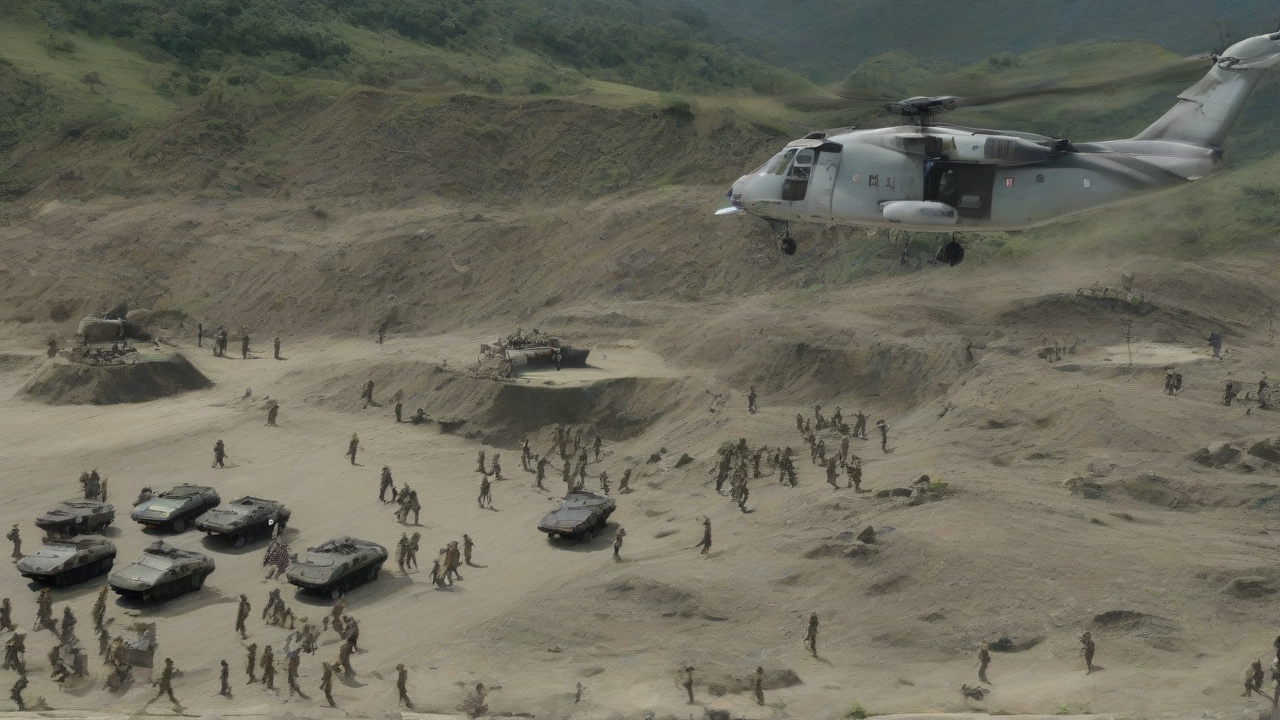
In a significant escalation of its efforts to combat rampant drug-related violence, Ecuador has deployed a substantial force of 75,000 soldiers and police officers to tackle the menace of drug gangs. This move comes as the government acknowledges being “at war” with these criminal organizations, which have been wreaking havoc in the country’s most violent provinces. According to reports from BBC World, this large-scale deployment is aimed at regaining control of areas that have been plagued by gang violence, which has resulted in a surge of homicides and other violent crimes.
Context and Implications
The situation in Ecuador underscores the broader challenge faced by many countries in the region, where drug trafficking and associated violence have become entrenched problems. Analysts note that the drug trade’s influence extends beyond the immediate violence it causes, also contributing to corruption, undermining governance, and destabilizing communities. The move by Ecuador’s government to declare a form of war on these gangs signals a recognition of the severity of the situation and the need for drastic action. Observers point out that such a strategy, while necessary, also poses significant challenges, including the risk of human rights abuses and the potential for further escalation of violence.
Impact on Affected Communities
Citizens in the most affected provinces are bracing for the impact of this large-scale security operation. While many welcome the government’s decisive action, hoping it will bring an end to the fear and violence that have become a part of daily life, others are concerned about the potential consequences, including the possibility of increased violence in the short term and the strain on community resources. The government’s warning that it is “at war” with the gangs has been met with a mix of determination and trepidation, reflecting the complex and challenging nature of the situation.
Expert Analysis and International Context
Experts in the field of security and drug policy suggest that Ecuador’s approach, while understandable given the circumstances, must be part of a broader strategy that includes social and economic development initiatives. They argue that merely deploying military force, without addressing the root causes of the drug trade and the appeal it holds for many young people in impoverished areas, may not yield lasting results. As reported by BBC World, international observers are watching the situation closely, aware that the dynamics of drug trafficking and violence in Ecuador are linked to broader regional and global trends.
Looking Ahead
As the situation in Ecuador continues to unfold, several key developments will be worth watching. The immediate effectiveness of the security operation in reducing violence will be closely monitored, as will any reports of human rights abuses or excessive use of force by security personnel. Furthermore, the government’s plans for addressing the socio-economic factors driving the drug trade will be crucial in determining the long-term success of its strategy. According to sources, the international community is poised to offer support, which could include assistance in areas such as law enforcement training, judicial reform, and economic development. The coming weeks and months will be critical in shaping the future of Ecuador’s struggle against drug gangs and in assessing the implications of this “war” for the country and the region.

Reader Comments