
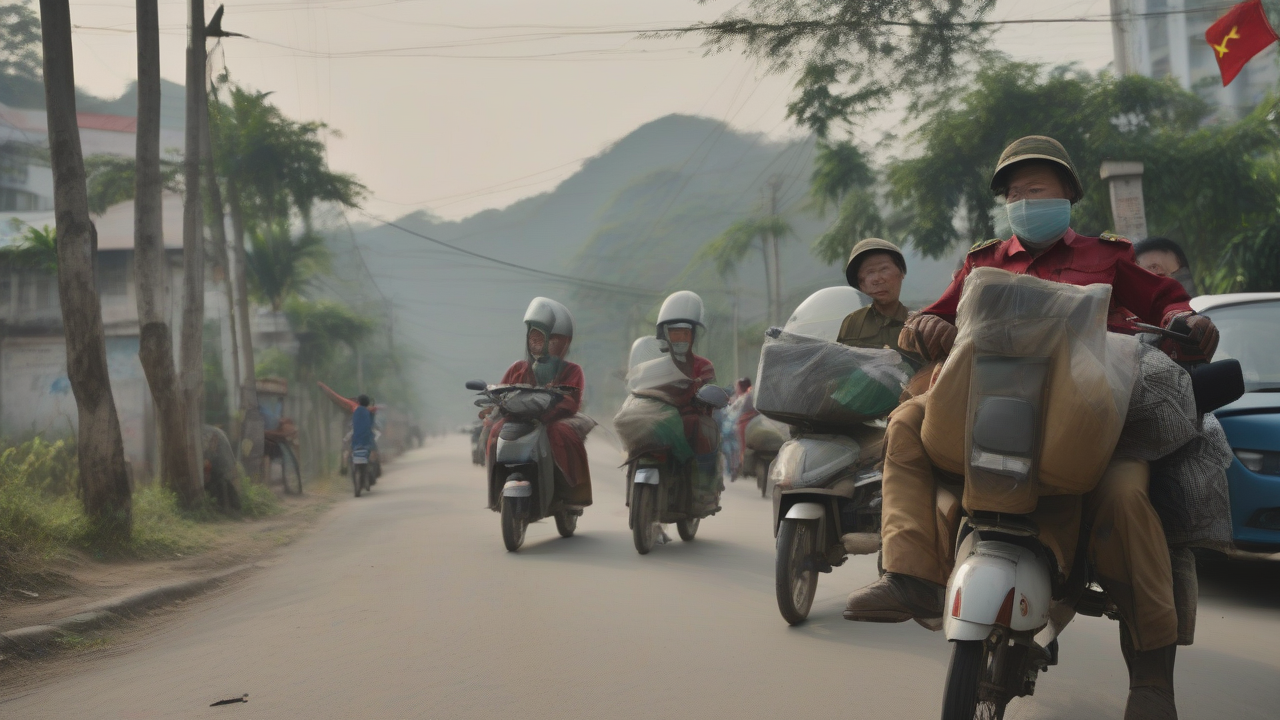
Electoral Landscape in Vietnam
In a general election that marks a significant milestone in the country’s political calendar, Vietnam is witnessing a notable dominance of the Communist Party in the parliamentary candidate landscape. According to reports from Reuters and other news outlets, the Communist Party has fielded nearly 93% of the candidates for the National Assembly, underscoring its enduring grip on the nation’s political machinery.
Political Context and Implications
This overwhelming presence of Communist Party candidates in the election signals the party’s continued strength and control over Vietnam’s political system. Observers point out that such a high percentage of candidates from a single party can significantly influence the political trajectory of the country, potentially impacting policies on economic development, international relations, and social reforms. Analysts note that the election’s outcome will be closely watched, not just domestically but also internationally, as it may provide insights into Vietnam’s future leadership and its stance on global issues.
Electoral Process and Participation
Millions of Vietnamese citizens are expected to participate in the election, which is seen as a crucial step in the formation of the new National Assembly. As reported by Bloomberg and WOODTV, the election process is designed to ensure broad representation, with candidates from various backgrounds and professions vying for seats. However, the dominance of the Communist Party in the candidate pool raises questions about the diversity of political views and the potential for opposition voices to be heard in the National Assembly.
Broader Implications and Global Interest
The election in Vietnam is of significant interest globally, given the country’s strategic position in Southeast Asia and its growing economic influence. The move to elect a new parliament is seen as paving the way for the next leadership transition in Vietnam, which could have implications for the country’s relations with major world powers, including the United States and China. Experts suggest that the international community will be watching the election closely, looking for signs of how Vietnam might balance its relationships with these powers while advancing its own economic and political agendas.
Impact on the Population and Future Directions
The outcome of the election will have a direct impact on the lives of Vietnamese citizens, influencing policies on education, healthcare, and economic development. As Al Jazeera and Nikkei Asia have highlighted, the election is also an opportunity for the Vietnamese people to express their aspirations and expectations from their leaders. Looking ahead, the formation of the new National Assembly will be a key factor in determining the country’s future directions, including its approach to human rights, environmental protection, and technological innovation.
What to Watch Next
As the election results are announced and the new National Assembly begins its term, observers will be keenly watching for signs of policy shifts or continuities. The next significant development to watch will be the appointment of key leadership positions, including the Prime Minister and the President, which will provide further clues about the direction of Vietnam’s political and economic trajectory. According to sources, including Reuters and Bloomberg, these appointments are expected to take place in the coming months, setting the stage for a new era in Vietnamese politics.

Reader Comments