
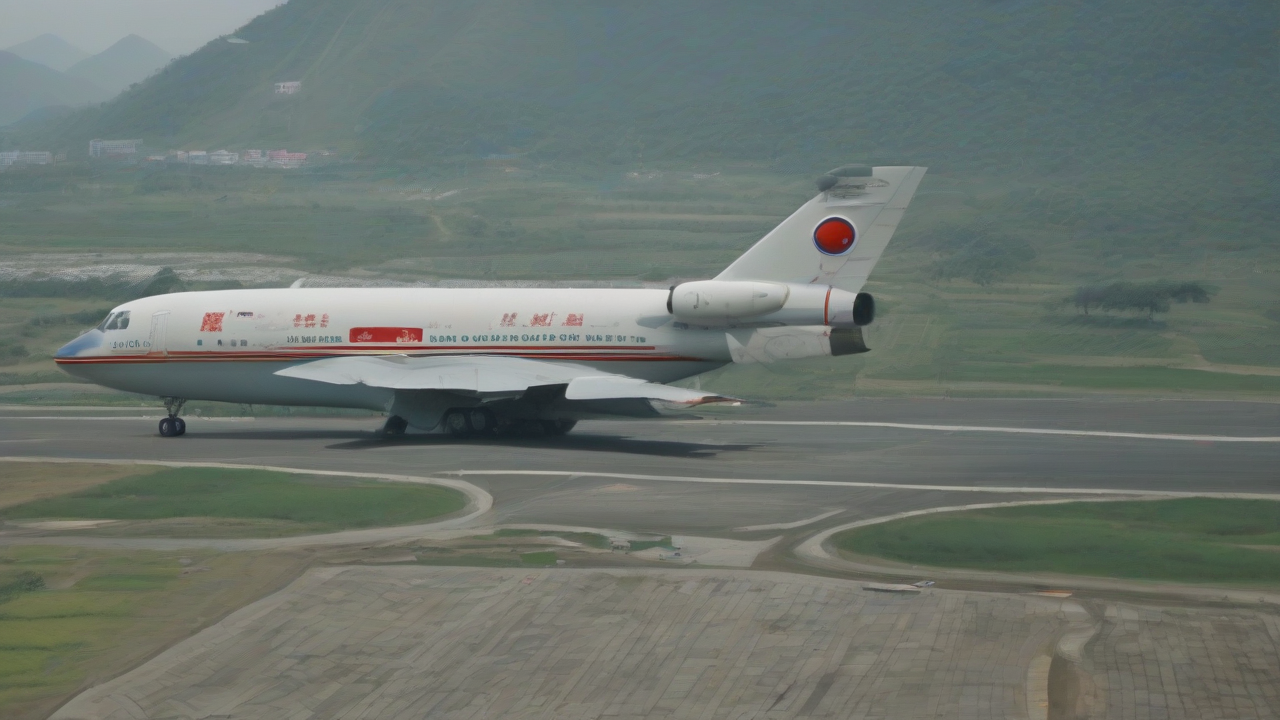
Unprecedented Lull in Chinese Military Flights Near Taiwan Sparks Curiosity
In a sudden and unexplained move, China’s military has significantly reduced its flying activities near Taiwan, leaving analysts and observers puzzled. According to reports from various news outlets, including The New York Times and CNN, Chinese fighter jets ceased their usual buzzing of Taiwan for nearly two weeks, sparking widespread speculation about the reasons behind this unexpected lull. As reported by Bloomberg, this mysterious pause has been followed by a resurgence of warplane activity towards Taiwan, further complicating the situation.
Context and Implications
The reduction in military flights near Taiwan is a notable development, given the long-standing tensions between China and the island nation. Observers point out that this lull could be a strategic move by China to ease tensions or a tactical pause to reassess its military posture. Analysts note that the move signals a potential shift in China’s approach to dealing with Taiwan, which has been a major point of contention in the region. The Strategist, a commentary site from the Australian Strategic Policy Institute (ASPI), suggests that the lack of a clear explanation for the lull underscores the complexities of China’s military strategy and its intentions towards Taiwan.
Impact on Regional Dynamics
The sudden change in China’s military activities has significant implications for regional dynamics. The Wall Street Journal reports that the mysterious lull has left Taiwan guessing, with officials and analysts scrambling to understand the motivations behind China’s actions. The move has also sparked concerns among Taiwan’s allies, who are watching the situation closely for any signs of escalation. As the situation continues to unfold, it is essential to consider the potential consequences of China’s actions on the broader regional security landscape.
Expert Analysis
Experts emphasize that the reduction in military flights near Taiwan should be viewed in the context of the complex and evolving security landscape in the region. According to sources, the lull may be a calculated move by China to reduce tensions and create an opportunity for diplomatic engagement. However, others caution that the resurgence of warplane activity towards Taiwan could indicate a return to a more aggressive posture. The New York Times notes that the situation remains fluid, with analysts continuing to monitor developments closely for any signs of a lasting shift in China’s approach.
What to Watch Next
As the situation continues to unfold, several key developments will be worth watching. The upcoming meetings between Chinese and Taiwanese officials may provide insight into the motivations behind China’s military actions. Additionally, any further changes in China’s military posture or statements from senior officials could shed light on the country’s intentions. Analysts will also be closely monitoring the response from Taiwan’s allies, including the United States, to assess the potential implications for regional security. As reported by CNN, the situation remains uncertain, with observers warning that any miscalculation could have far-reaching consequences for the region.
Reader Comments