
Unusual Incident in Berlin
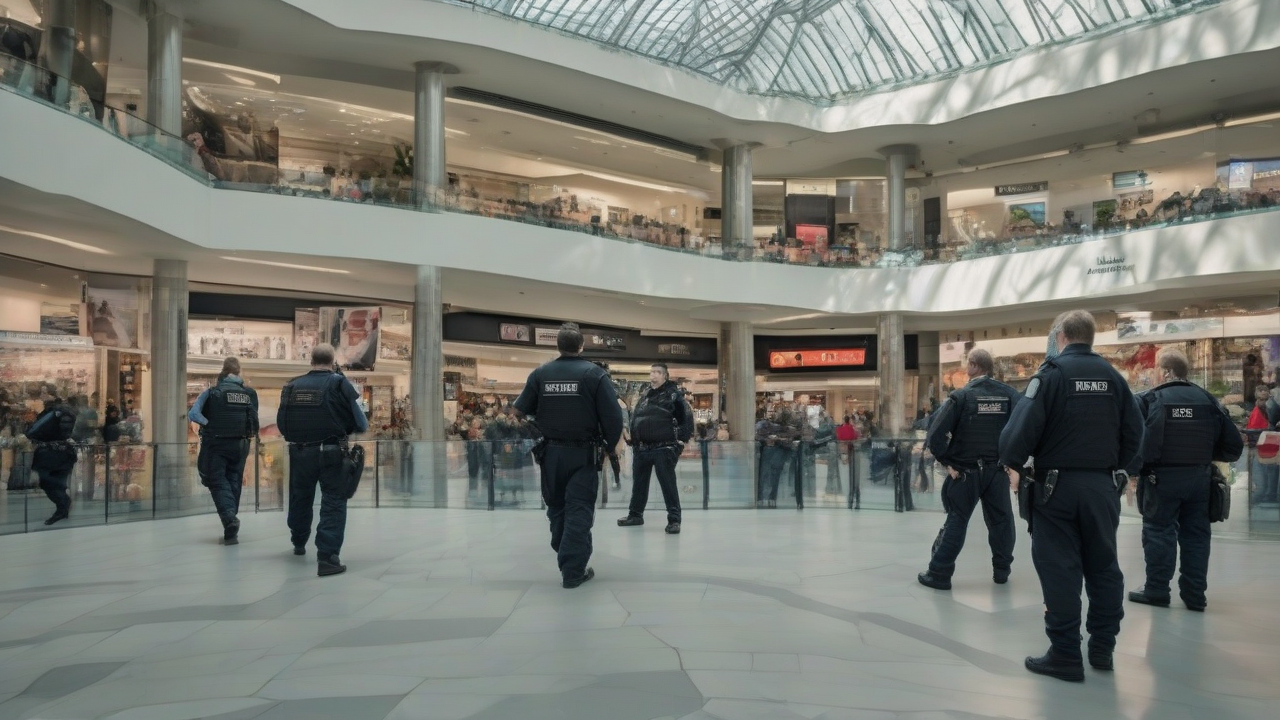
A wild boar wandered into a Berlin mall on March 14, 2026, prompting a swift and unconventional response from local law enforcement, according to reports from CBS News. The unexpected appearance of the boar in a crowded shopping area led to a significant police operation, highlighting the challenges of managing wildlife in urban environments.
Context and Implications
The incident underscores the growing issue of wild animals encroaching on urban spaces, a phenomenon observed in various parts of the world. As natural habitats are increasingly encroached upon by human development, encounters between wildlife and urban populations are becoming more frequent. Analysts note that such events not only pose a risk to public safety but also raise concerns about the well-being of the animals themselves. The move signals a need for urban planning and wildlife management strategies that mitigate these encounters.
Police Response and Tactics
In response to the wild boar’s appearance in the mall, police employed a range of tactics to ensure public safety, including the use of a blowgun and riot shields, as reported by CBS News. This approach reflects the complexity of dealing with wild animals in confined, public spaces, where both the safety of the animal and the public must be considered. Observers point out that the choice of weaponry and equipment indicates a preference for non-lethal methods to resolve the situation peacefully.
Impact on the Community
The incident had a significant impact on the local community, with shoppers and mall employees being evacuated as a precautionary measure. According to sources, no one was injured during the operation, which lasted for several hours. The successful resolution of the incident without harm to humans or the animal is seen as a positive outcome, given the potential risks involved. However, the event also highlights the need for heightened awareness and preparedness among urban populations and law enforcement agencies in dealing with unexpected wildlife encounters.
Broader Trends and Future Considerations
As urbanization continues to expand into natural habitats, incidents like the one in Berlin are likely to become more common. Experts suggest that proactive measures, including education campaigns, urban planning that incorporates wildlife corridors, and training for law enforcement in handling wildlife, are crucial in mitigating the risks associated with these encounters. The development of strategies to peacefully resolve such incidents will be key to ensuring both public safety and the humane treatment of wild animals.
Looking Ahead
In the coming weeks and months, it will be important to watch how Berlin and other cities respond to the challenge of urban wildlife encounters. Upcoming decisions on urban planning and wildlife management policies will be critical in preventing similar incidents in the future. As reported by CBS News, the Berlin incident serves as a reminder of the importance of addressing the intersection of urban development and wildlife conservation. Sources indicate that further discussions on this topic are expected among local authorities, wildlife experts, and community leaders.

Reader Comments