
Recent Developments in Iraq
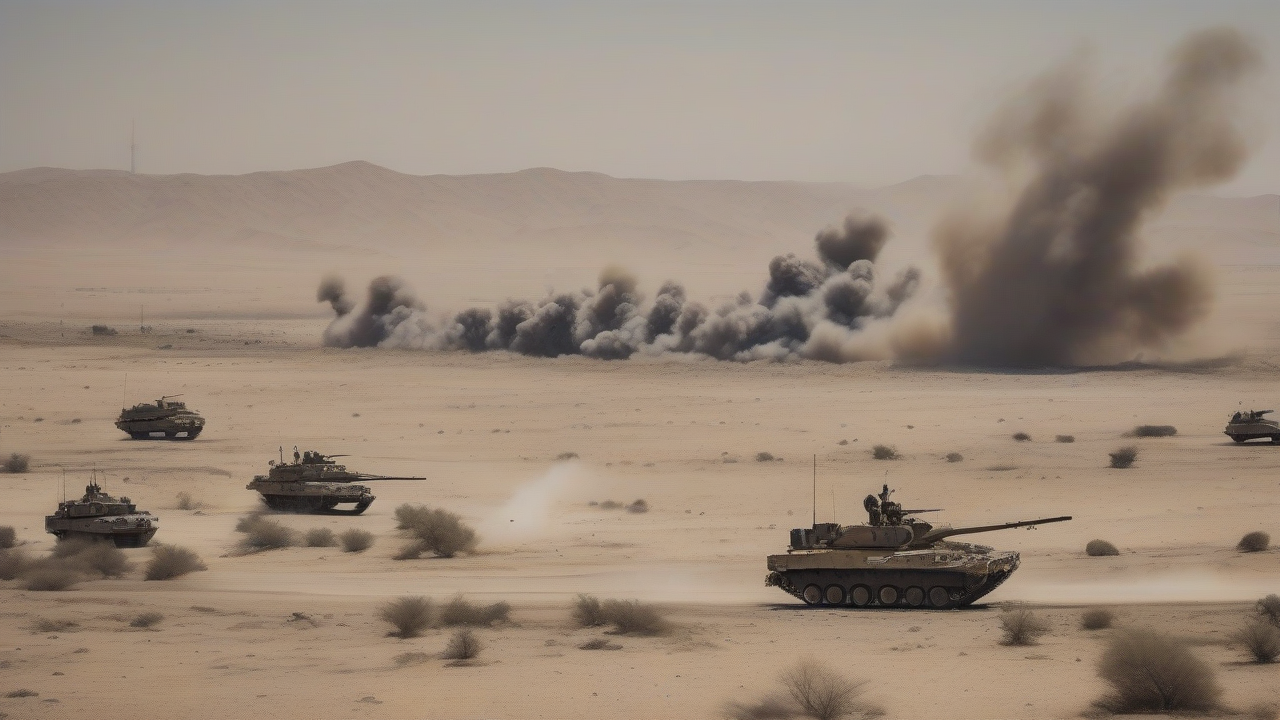
A significant escalation of violence has occurred in Baghdad, with the assassination of a high-ranking Badr Missile Commander in a targeted strike, according to Iraqi News. This event is part of a larger series of airstrikes that have hit Iran-backed militias across Iraq, as reported by The Long War Journal. The situation underscores the complex and volatile nature of the region, with various factions and interests at play.
Context and Implications
Analysts note that the targeting of Iran-backed militias in Iraq signals a heightened level of tension between different regional and international actors. Observers point out that these militias have been a point of contention due to their allegiance to Iran and their role in Iraqi politics and security. The move to target these groups indicates a strategic shift, possibly aimed at destabilizing Iranian influence in the region. As reported by The Times of Israel, a member of the Iran-backed Kataeb Hezbollah was also killed in a strike on a car in Baghdad, further highlighting the breadth of the attacks.
Impact on the Ground
The airstrikes have resulted in the deaths of several fighters, including three Iraqi PMF (Popular Mobilization Forces) fighters, as sources indicated to Reuters. These developments have significant implications for the security and stability of Iraq, as well as for the broader geopolitical dynamics of the Middle East. The Jerusalem Post noted that Iran-backed militia bases in Iraq were among the targets, suggesting a coordinated effort to undermine Iranian military presence and influence in the country.
Broader Trends and History
The current situation in Iraq is a culmination of years of complex political and military maneuvering. Historically, Iraq has been a battleground for proxy wars and a focal point for regional rivalries, particularly between Iran and other Middle Eastern powers. The involvement of Iran-backed militias has been a contentious issue, with these groups playing significant roles in the fight against ISIS but also being seen as extensions of Iranian power in the region. According to experts, the targeting of these militias could be an attempt to rebalance power dynamics in Iraq and limit Iranian sway.
Forward-Looking Analysis
As the situation continues to unfold, observers are watching for potential retaliation from Iran or its allies in the region. The move could lead to an escalation of violence, not only in Iraq but also potentially in other parts of the Middle East. Analysts are also considering the implications for the global community, including how other nations might respond to these developments. The coming days and weeks will be critical in determining the trajectory of this conflict and its broader regional and international implications.
What to Watch Next
In the immediate future, attention will be focused on the response from Iranian-backed militias and the Iraqi government’s stance on these airstrikes. Additionally, the international community’s reaction, particularly from countries with interests in the region, will be closely monitored. Upcoming diplomatic meetings and statements from key players will provide insight into how the situation might evolve. As reported by various news outlets, including Iraqi News and The Long War Journal, the details of these strikes and the responses they provoke will continue to shape the complex and ever-changing landscape of the Middle East.

Reader Comments