
Rising Tensions Between Afghanistan and Pakistan
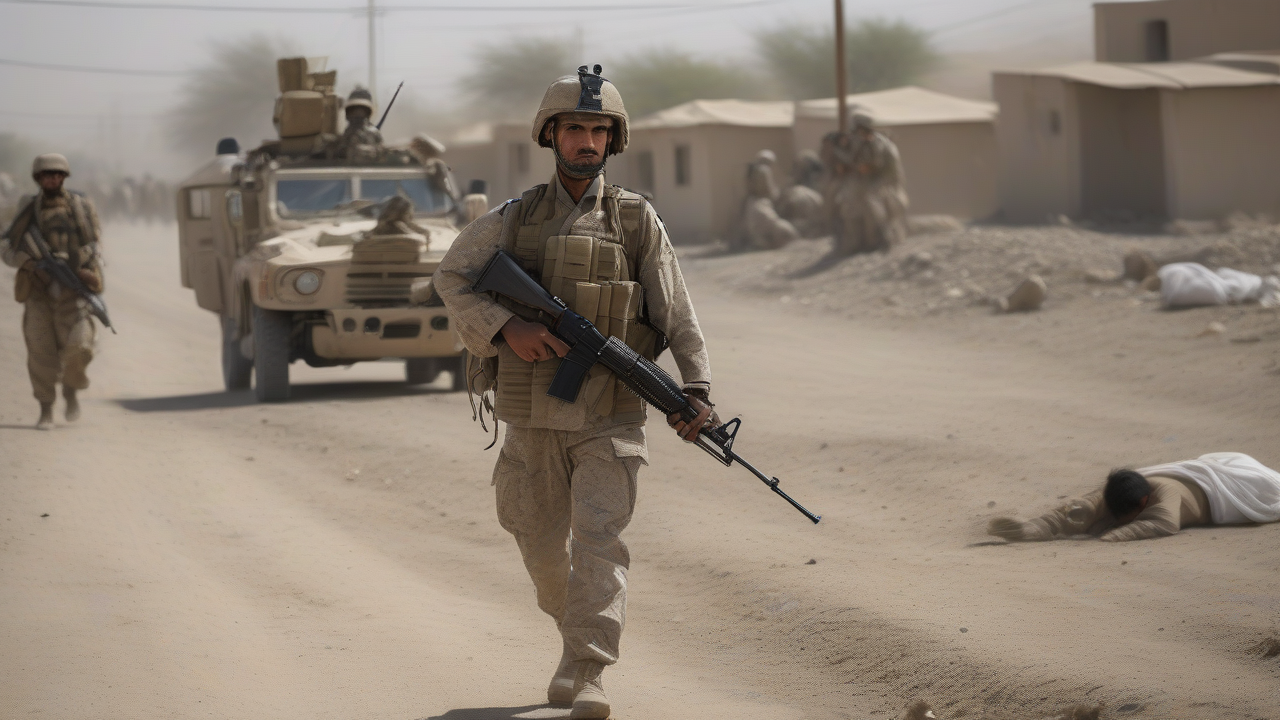
A recent escalation in violence between Afghanistan and Pakistan has resulted in the deaths of at least six civilians and injured 12 others, according to reports from Al Jazeera and Reuters. The Taliban, currently in control of Afghanistan, accuses Pakistan of conducting air strikes on homes in Kabul and Kandahar, sparking widespread concern over the deteriorating relationship between the two nations.
Historical Context and Regional Implications
Observers point out that the conflict between Afghanistan and Pakistan is not a new development, as the two countries have a long history of tensions along their shared border. However, analysts note that the current situation has the potential to redraw the region’s security map, with far-reaching implications for global stability. As reported by dw.com, Pakistan’s actions in Kabul and Afghan border provinces have raised concerns about the country’s military strategy and its impact on regional security.
Civilian Casualties and Humanitarian Concerns
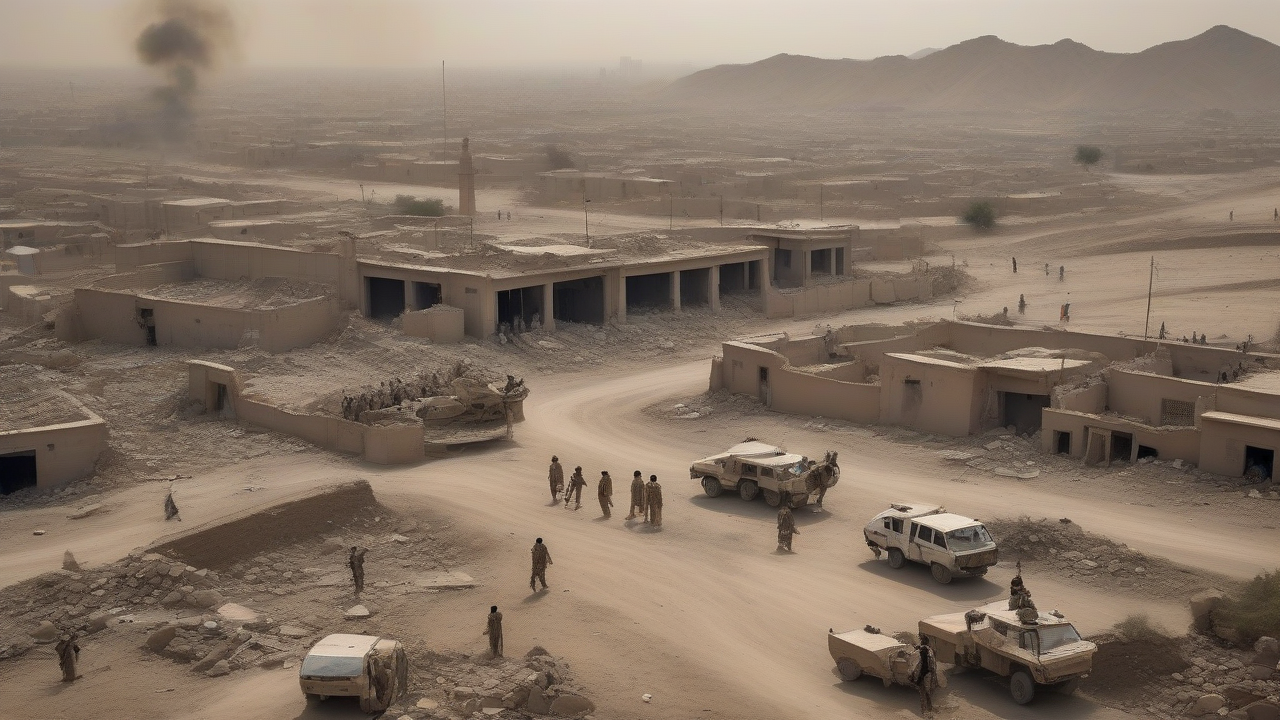
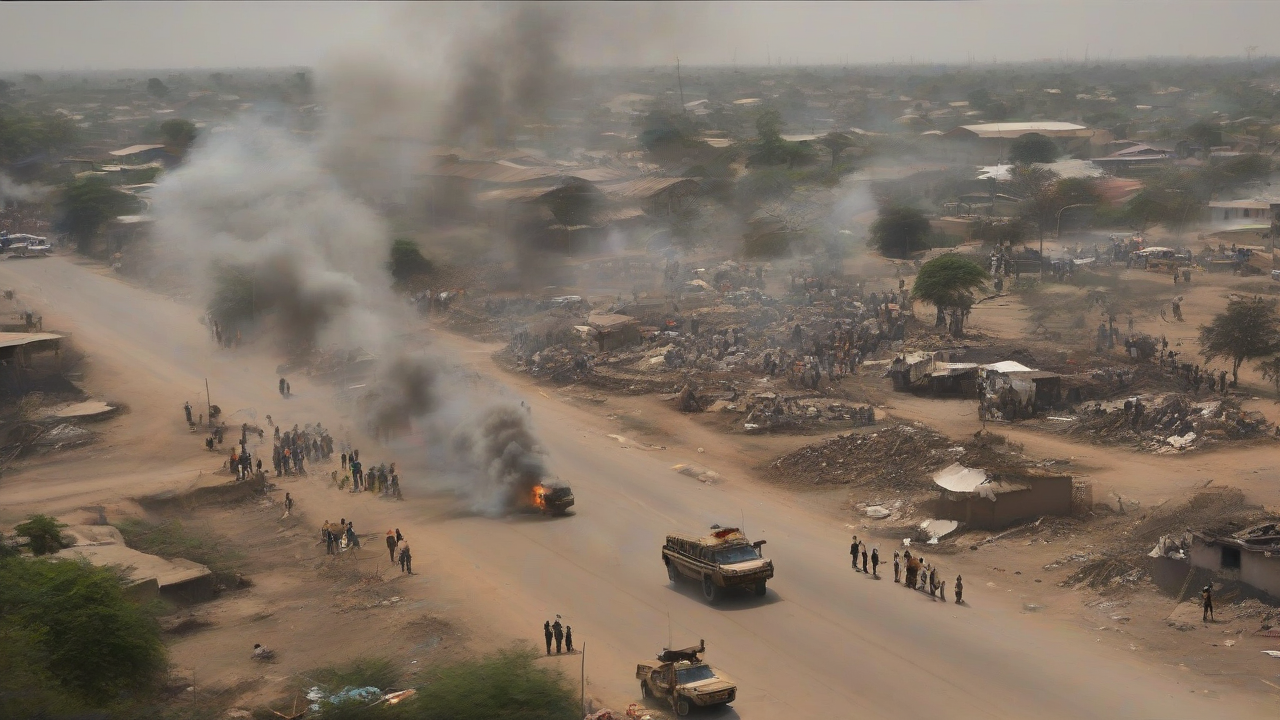
The air strikes, which allegedly targeted homes in Kabul and Kandahar, have resulted in significant civilian casualties. According to AP News, at least six civilians have been killed, and 12 others have been wounded. The move signals a disturbing trend of escalating violence in the region, with innocent civilians bearing the brunt of the conflict. Experts warn that the ongoing violence could lead to a humanitarian crisis, with thousands of people potentially displaced or affected by the conflict.
Economic Implications and Global Concerns
The conflict between Afghanistan and Pakistan also has significant economic implications, particularly in the oil sector. As reported by OilPrice.com, the ongoing violence could impact crude oil prices, leading to global economic instability. Furthermore, the situation has raised concerns among international observers, who fear that the conflict could spill over into other regions, potentially destabilizing the entire area.
International Response and Future Developments
As the situation continues to unfold, observers are watching closely to see how the international community will respond to the escalating violence. According to sources, the United Nations and other global organizations are likely to play a key role in mediating the conflict and preventing further escalation. In the coming weeks, analysts will be watching for signs of a potential ceasefire or diplomatic breakthrough, as well as any indications of further military action by either side.
What to Watch Next
In the near future, several key developments are likely to shape the course of the conflict. These include potential diplomatic efforts by the international community, further military actions by Pakistan or Afghanistan, and the humanitarian response to the growing crisis. As reported by Al Jazeera, the situation remains highly volatile, and observers are bracing for potential further escalation in the days and weeks ahead.

Reader Comments