
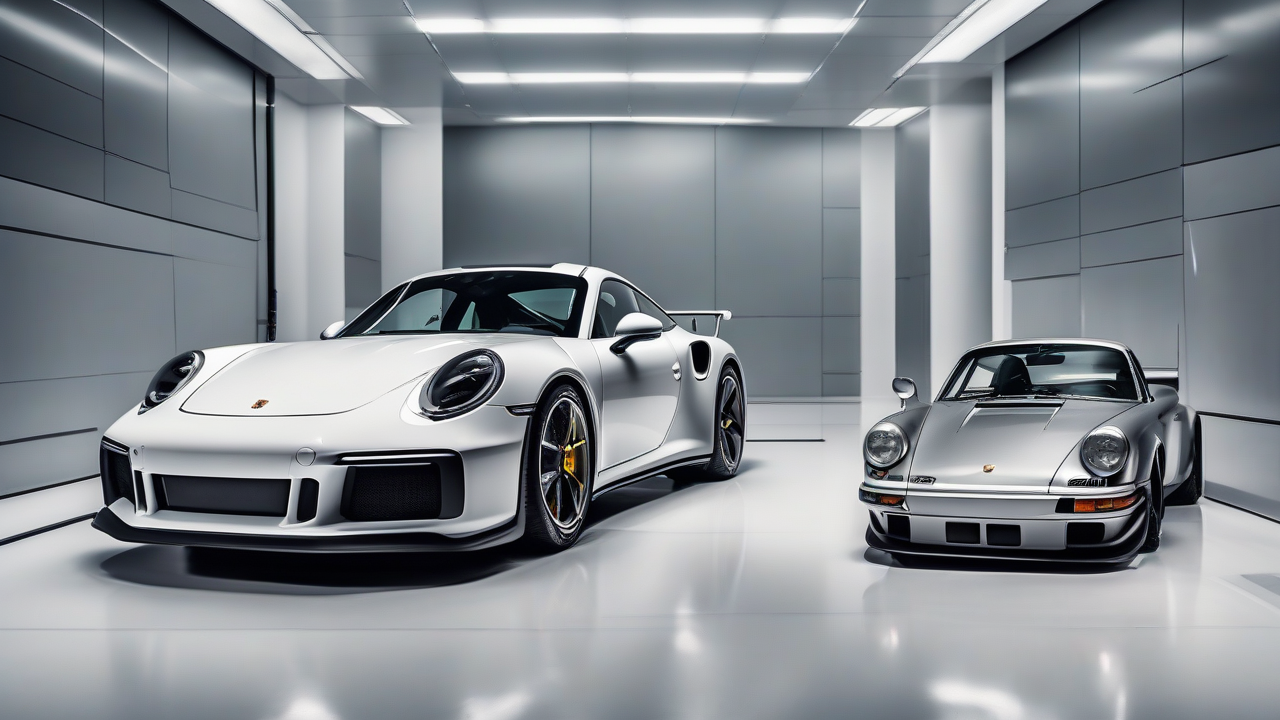
Introduction to a Racing Icon
In a unique blend of virtual and real-world racing, Porsche’s latest 911 Cup car has made its debut, first as a digital offering in the popular racing simulation platform iRacing, and then on actual tracks. This car, priced at $375,000, initially became available to iRacing users for just $12 as downloadable content (DLC), marking an interesting intersection of gaming and high-performance automotive culture.
The Significance of the 911 Cup
The 911 Cup’s introduction to both digital and physical racing environments signals a significant moment in the convergence of technology and motorsports. Analysts note that this move by Porsche underscores the growing importance of virtual racing platforms as legitimate testing grounds and marketing tools for car manufacturers. Observers point out that the strategy allows Porsche to reach a wider audience, including potential buyers who may first experience the car in a virtual setting before deciding to purchase the real thing.
Expert Insights
According to industry watchers, the decision to debut the 911 Cup in iRacing before its physical launch is a savvy marketing move. It allows Porsche to generate buzz around the new model, leveraging the large and dedicated community of iRacing users. This approach also enables the company to gather feedback from a pool of enthusiastic and skilled drivers, which can be invaluable for fine-tuning the car’s performance and handling.
Impact on the Racing Community
The availability of the 911 Cup in iRacing has significant implications for the racing community, both virtual and real. For iRacing users, it offers an unprecedented opportunity to drive a high-performance car that they might not otherwise have access to. As reported by racing enthusiasts, the experience of driving the 911 Cup in iRacing is remarkably realistic, thanks to the platform’s advanced simulation technology. This realism is crucial for professional drivers who use iRacing as a tool for training and for fans who want an authentic racing experience.
Context and Broader Implications
The debut of the Porsche 911 Cup, both in iRacing and on real tracks, is part of a larger trend where car manufacturers are increasingly looking to digital platforms to promote their vehicles. This strategy is not limited to Porsche; several other manufacturers have also released their cars as DLC in various racing games. Sources indicate that this trend is expected to continue, with more cars being debuted in virtual environments before their real-world launches.
Looking Ahead
As the racing world continues to evolve, with the lines between virtual and real-world racing becoming increasingly blurred, enthusiasts and industry professionals alike are eager to see how this trend develops. Upcoming racing events and new car releases will be closely watched to determine the impact of virtual debuts on sales and consumer engagement. According to sources, several other high-performance cars are slated to be released in iRacing and other platforms, which could further accelerate the convergence of gaming and automotive cultures.
Conclusion and Future Developments
The story of the Porsche 911 Cup’s dual debut serves as a fascinating case study of how technology is changing the face of motorsports and automotive marketing. As the automotive and gaming industries continue to intersect, we can expect to see more innovative strategies like this from car manufacturers. With the 911 Cup now available both virtually and in the real world, racing fans and potential buyers are eagerly awaiting the opportunity to get behind the wheel of this powerful and sleek race car.


Reader Comments