
Breaking the Silence: Mental Health in College Athletics
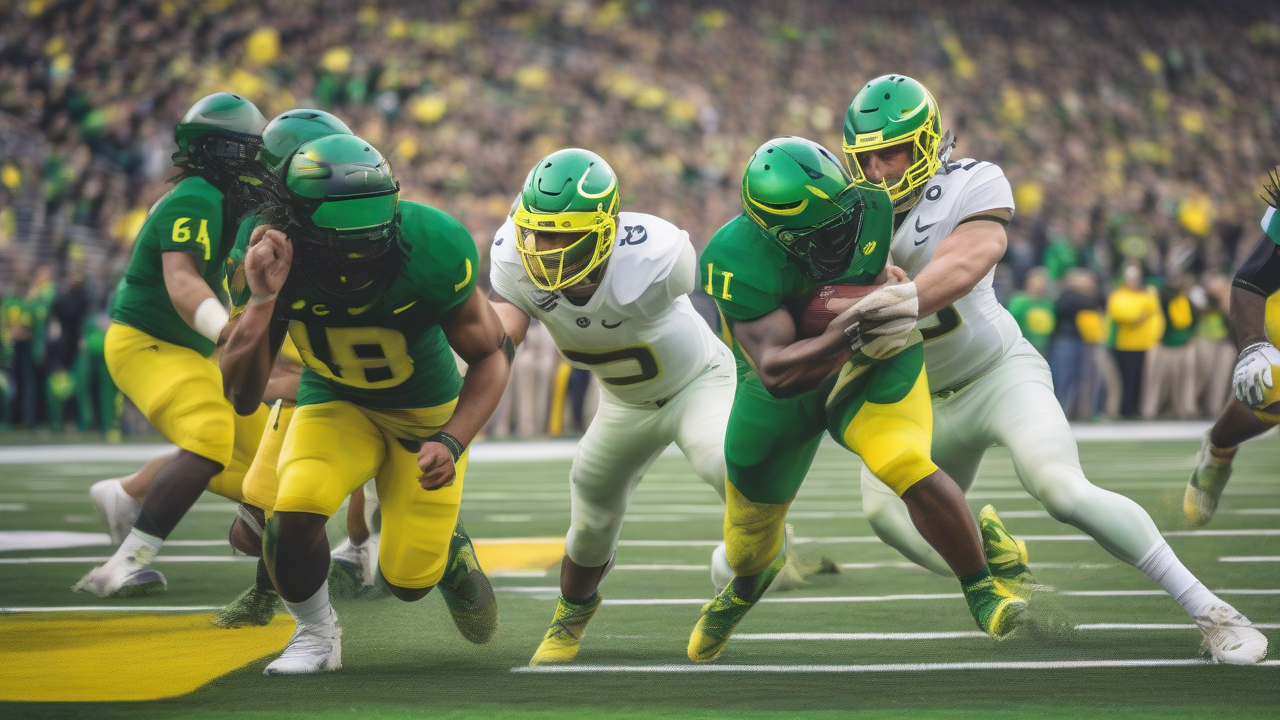
In a significant move, Oregon quarterback Dante Moore has publicly disclosed his struggles with mental health, shedding light on the often-overlooked challenges faced by student-athletes in high-pressure sports environments. According to ESPN, Moore’s revelation underscores the growing concern about the mental wellbeing of college athletes, particularly those in prominent positions like quarterback.
The Pressures of College Football
Analysts note that the world of major college football can be incredibly demanding, with athletes facing intense scrutiny from fans, coaches, and the media. The pressure to perform can take a significant toll on a player’s mental health, observers point out, as they strive to balance academic responsibilities with the physical and emotional demands of their sport. As reported by ESPN, Moore’s experience is not an isolated incident, with many student-athletes struggling to cope with the stress and expectations that come with competing at the highest level.
A Growing Concern
The move signals a growing recognition of the importance of mental health support in college athletics. Experts in the field emphasize that the stigma surrounding mental health issues must be addressed, and that athletes need access to resources and support systems to help them manage the pressures of their sport. According to sources, the National Collegiate Athletic Association (NCAA) has taken steps to promote mental health awareness and provide support for student-athletes, but more work needs to be done to ensure that athletes feel comfortable seeking help when they need it.
Impact on Student-Athletes
The stakes are high for student-athletes struggling with mental health issues, as untreated conditions can have serious consequences on their academic and athletic performance, as well as their overall wellbeing. Moore’s decision to speak out about his struggles may help to raise awareness and encourage other athletes to seek help, analysts suggest. As the college football season approaches, the focus on mental health support is likely to intensify, with coaches, administrators, and athletes themselves playing a critical role in promoting a culture of openness and understanding.
What’s Next
Looking ahead, observers will be watching to see how the NCAA and individual colleges and universities respond to the growing concern about mental health in college athletics. Upcoming decisions on mental health support services, athlete wellness initiatives, and education programs will be closely monitored, as will the efforts of advocacy groups and athletes themselves to promote awareness and reduce stigma around mental health issues. As reported by ESPN, Moore’s bravery in sharing his story may be a catalyst for change, inspiring others to speak out and seek help when they need it. With the new college football season on the horizon, the conversation about mental health in athletics is likely to continue, with a focus on creating a supportive and inclusive environment for all student-athletes.


Reader Comments