
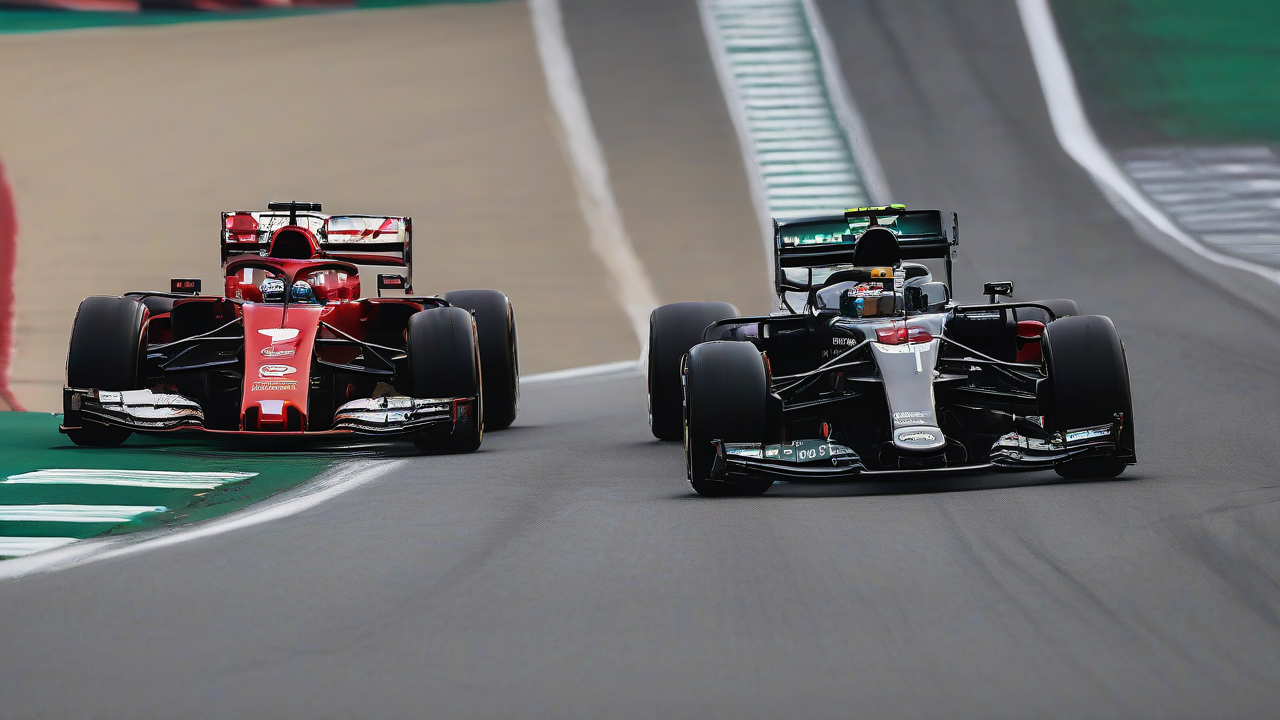
Global Uncertainty Hits Motorsport
The escalating tensions in the Middle East have started to impact the world of motorsport, with a significant decision looming for Formula 1. According to sources, as reported by ESPN, the upcoming races in Bahrain and Saudi Arabia, scheduled for April, are likely to be canceled due to the ongoing conflict involving Iran. This development comes as the international community continues to monitor the situation, and its implications are being felt across various sectors, including sports.
A Delicate Situation
Observers point out that the safety and security of participants, teams, and spectators are of paramount concern. Given the proximity of Bahrain and Saudi Arabia to the conflict zone, the risks associated with hosting large-scale international events like Formula 1 races become too great to ignore. Analysts note that the decision to cancel these races, while disappointing for fans, reflects a prudent approach to managing risk in a volatile region.
Broader Implications
The cancellation of these races signals a broader trend of how global geopolitical instability can affect international sports events. As the world becomes increasingly interconnected, the ripple effects of conflicts are felt far beyond the immediate region. This situation highlights the challenges faced by international sporting organizations in balancing their schedules with the realities of global security. According to experts, the move to cancel races in sensitive areas underscores the complex relationship between sports and geopolitics, where decisions are influenced by a myriad of factors beyond the sporting arena.
Impact on the Sport
The decision to cancel the Bahrain and Saudi Arabia races will undoubtedly have significant implications for the Formula 1 calendar. Teams and drivers will need to adjust their strategies and preparations, while fans will be disappointed by the loss of these events. Moreover, the economic impact on the host countries should not be underestimated, as these races bring in substantial revenue and exposure. Sources indicate that alternative arrangements might be explored, but for now, the focus is on ensuring the safety of all involved.
Looking Ahead
As the situation in the Middle East continues to evolve, Formula 1 fans and stakeholders will be watching closely for any updates on the racing calendar. The next steps for the sport will depend on how the conflict progresses and whether alternative venues can be secured for the canceled races. Observers are awaiting official announcements from Formula 1 organizers regarding potential replacements or adjustments to the schedule. With the new season already underway, the ability of the sport to adapt to these challenges will be crucial in maintaining the momentum and excitement that Formula 1 generates worldwide.
Conclusion
The potential cancellation of the Bahrain and Saudi Arabia Formula 1 races is a stark reminder of how global events can impact sports. As reported by ESPN, this decision reflects the serious considerations that international sporting bodies must undertake in response to geopolitical tensions. While the immediate focus is on the upcoming races, the long-term implications of this trend could reshape how sports events are planned and executed in sensitive regions. For now, the motorsport community waits with bated breath for official confirmation and the subsequent plans for the Formula 1 season.


Reader Comments