
Introduction to the Lawsuit
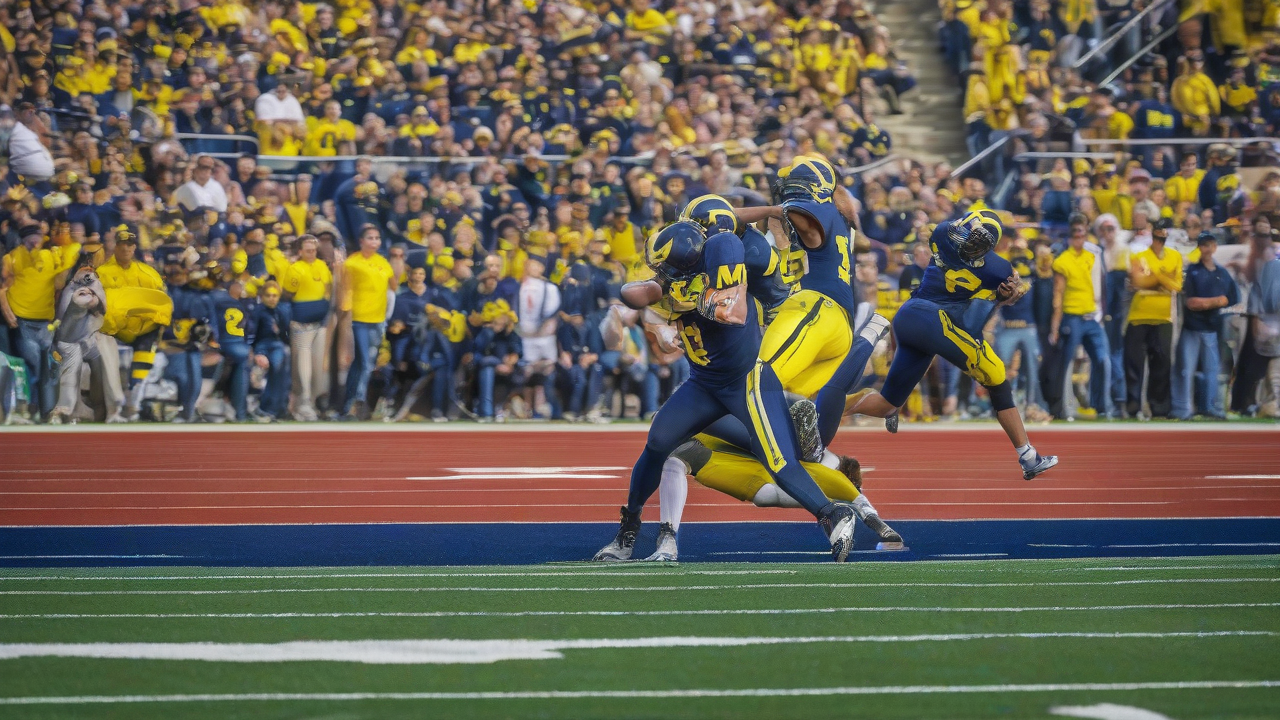
A significant development has emerged in the aftermath of the 2023 sign-stealing scandal involving the Michigan Wolverines, as reported by ESPN. According to the lawsuit filed, former Michigan assistant Chris Partridge has taken legal action against the university, its board, and Athletic Director Warde Manuel. The core of the lawsuit alleges that Partridge was unfairly made a scapegoat, leading to his termination from his position.
Background on the Scandal
The 2023 sign-stealing scandal sent shockwaves through the collegiate sports community, raising questions about ethics, fairness, and accountability in competitive athletics. Observers point out that the scandal not only damaged the reputation of the Michigan Wolverines but also highlighted deeper issues within the sport regarding surveillance and strategic advantages. Analysts note that such scandals can have long-lasting impacts on teams, affecting morale, recruitment, and overall performance.
Context and Implications
The move by Partridge to sue the university signals a broader trend in sports where individuals are seeking legal recourse for what they perceive as unfair treatment. This trend is particularly notable in cases where reputation and career advancement are at stake. Experts in sports law indicate that these cases often hinge on the specifics of employment contracts, the legal definitions of scapegoating, and the responsibility of institutions to protect their employees from unfair practices.
Impact on the University and Athletic Community
The lawsuit is likely to have significant implications for the University of Michigan, its athletic department, and the broader collegiate sports community. As reported by ESPN, the lawsuit brings to the forefront issues of accountability, fairness, and the treatment of staff members in collegiate athletics. The stakes are high, with potential consequences including financial penalties, reputational damage, and changes in how universities manage their athletic programs.
Expert Analysis
Analysts in the field of sports law suggest that the outcome of this lawsuit could set a precedent for how similar cases are handled in the future. They point out that the definition of a scapegoat and the proof required to demonstrate unfair treatment will be crucial in determining the lawsuit’s outcome. Moreover, observers highlight the importance of institutional accountability, noting that universities have a responsibility to ensure that their actions are fair and do not unfairly target individuals.
Forward-Looking Developments
As the lawsuit progresses, several key developments will be worth watching. These include the university’s response to the allegations, any potential settlements or court rulings, and how the NCAA and other governing bodies respond to the situation. According to sources, the timing of the lawsuit’s resolution could coincide with significant decisions regarding collegiate athletics, potentially influencing broader discussions about reform and accountability in sports.
Conclusion and Next Steps
The lawsuit filed by Chris Partridge against the University of Michigan and its athletic director underscores the complex and often contentious nature of collegiate sports. As the legal process unfolds, it will be important to follow not only the specifics of the case but also its broader implications for the world of sports. With the stakes high for all parties involved, the outcome of this lawsuit is likely to be closely watched by athletes, coaches, universities, and fans alike, as reported by ESPN in their ongoing coverage of the scandal and its aftermath.


Reader Comments