
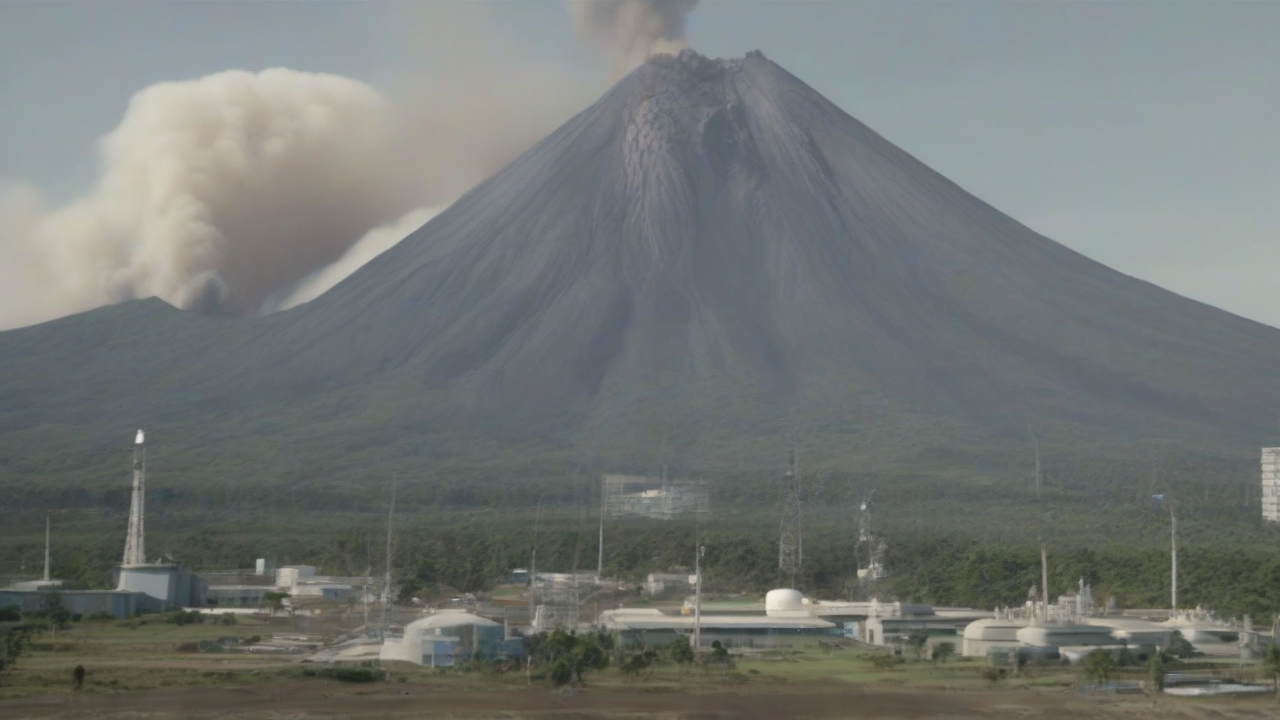
Volcanic Eruption Prompts Evacuations in the Philippines
A recent surge in volcanic activity at Mayon, a prominent volcano in the Philippines, has led to the displacement of nearby communities, as reported by NASA. The eruption, which occurred on March 13, 2026, sent large quantities of lava and pyroclastic flows down the volcano’s flanks, posing a significant threat to the surrounding areas.
Background and Context
Mayon, known for its perfect cone shape, is one of the most active volcanoes in the Philippines. Its history of eruptions dates back to 1616, with the most recent notable eruption occurring in 2018. According to observers, the volcano’s periodic eruptions are a result of its location on the Pacific Ring of Fire, an area prone to seismic and volcanic activity. Analysts note that the Philippines is situated in a region where several tectonic plates intersect, making it a hotspot for geological activity.
Evacuation Efforts and Impact
The Philippine government, in response to the eruption, has initiated evacuation procedures for communities in close proximity to the volcano. As reported by sources, the evacuations are a precautionary measure to ensure the safety of residents, who are at risk of being affected by the pyroclastic flows and lava. The move signals a high level of alertness and preparedness on the part of the authorities, who are working to mitigate the potential consequences of the eruption. Experts point out that the timely evacuation of residents is crucial in minimizing the risk of casualties and damage to infrastructure.
Why It Matters
The eruption at Mayon serves as a reminder of the importance of disaster preparedness and the need for effective emergency response systems. The Philippines, being a country prone to natural disasters, has developed a robust framework for dealing with such events. However, the impact of the eruption on local communities and the environment cannot be overstated. Analysts note that the economic and social consequences of the eruption will be significant, with potential long-term effects on the region’s ecosystem and infrastructure.
Looking Ahead
As the situation at Mayon continues to unfold, residents and authorities alike are bracing for potential further eruptions. According to NASA, the volcano’s activity is being closely monitored, with scientists working to predict future eruptions and provide early warnings to affected communities. In the coming days and weeks, observers will be watching for signs of increased activity, including seismic tremors and gas emissions, which could indicate a potential escalation of the eruption. The international community will also be keeping a close eye on the situation, as the eruption at Mayon has the potential to impact global climate patterns and air travel. As reported by sources, the Philippine government is working closely with international partners to ensure a coordinated response to the crisis.



Reader Comments