

Introduction to Interstellar Travel
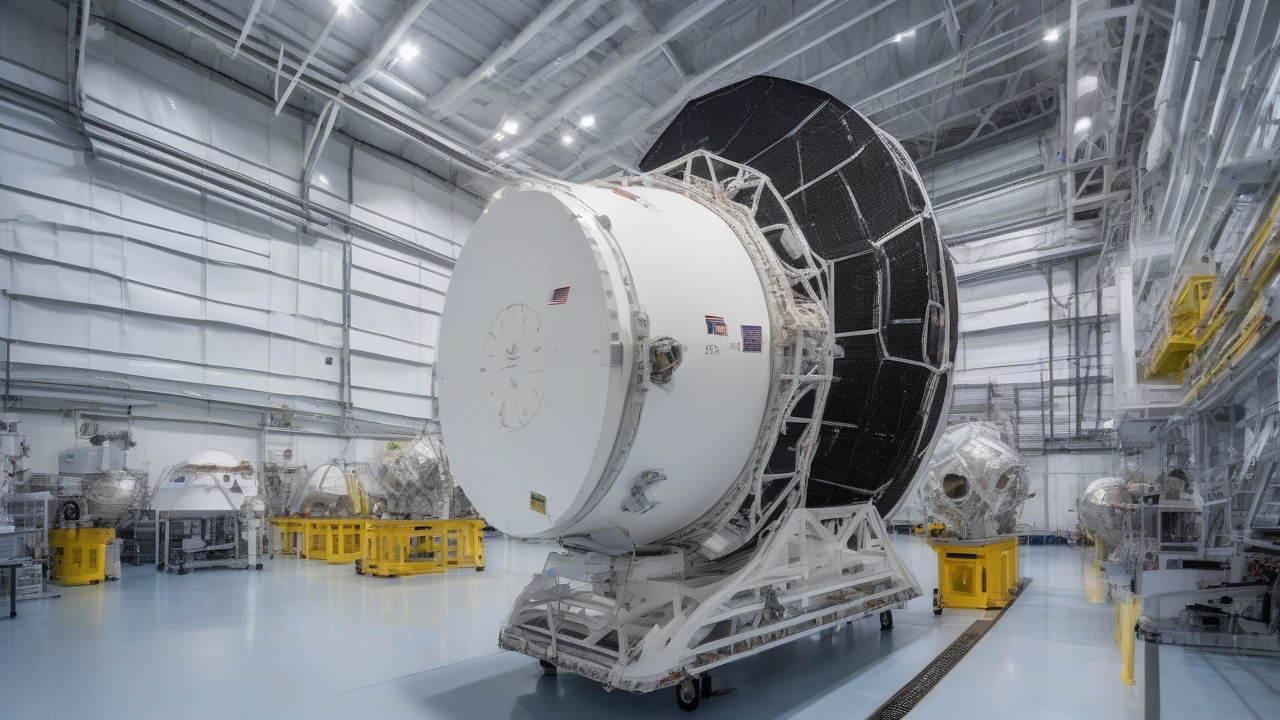
A monumental concept in space exploration has been unveiled, as reported by The Daily Galaxy, detailing a massive starship designed to transport humans to another star system. This ambitious project, known as Chrysalis, is envisioned to carry a substantial population of 1,000 humans on a perilous journey across the vast expanse of space, spanning an astonishing 400 years. The sheer scale and complexity of this undertaking underscore the profound implications for human civilization and its potential for survival beyond Earth.
The Challenges of Long-Term Space Travel
Observers point out that the success of such a mission hinges on the starship’s ability to sustain life over extended periods. According to sources, Chrysalis would need to generate its own gravity, a crucial factor for the health and well-being of its occupants, as prolonged exposure to microgravity can have debilitating effects on the human body. Furthermore, the vessel would have to be capable of growing its own food, recycling resources, and maintaining a stable ecosystem, essentially creating a self-sufficient miniature civilization within its confines.
Why It Matters
Analysts note that projects like Chrysalis signal a significant shift in how humanity approaches the challenge of becoming a multi-planetary species. As the world grapples with the uncertainties of climate change, resource depletion, and global conflicts, the idea of preserving human civilization through interstellar travel gains traction. The move towards developing technology and infrastructure for such massive undertakings reflects a growing recognition of the need for long-term survival strategies. As reported by The Daily Galaxy, this concept is not merely a flight of fancy but a serious consideration for the future of humanity.
Impact Analysis
The impact of a project like Chrysalis is multifaceted. For the 1,000 individuals who would embark on this journey, it would mean leaving behind the only world they have ever known, with no possibility of return. Their descendants, born and raised on the starship, would face the daunting task of establishing a new society on an alien world, without any direct connection to their ancestral home. The psychological, sociological, and cultural implications of such an endeavor are profound, raising questions about identity, community, and the human condition in the face of extreme isolation.
Forward-Looking Developments
As this concept continues to evolve, several key developments will be worth watching. The technological advancements required to make a project like Chrysalis feasible are significant, including breakthroughs in propulsion systems, life support technologies, and psychological support for long-duration spaceflight. Moreover, the ethical and societal considerations of selecting participants, managing resources, and ensuring the viability of the onboard ecosystem will necessitate careful planning and international cooperation. According to The Daily Galaxy, the journey to making interstellar travel a reality is as much about overcoming the challenges of space as it is about understanding ourselves and our place within the universe.
Conclusion and Future Outlook
The idea of Chrysalis, a starship designed to carry humanity to the stars, represents a bold step into the unknown, driven by the imperative to secure the future of our species. As observers and analysts continue to explore the possibilities and challenges presented by such a project, the world waits with bated breath for the next developments in this extraordinary endeavor. With its publication on February 19, 2026, The Daily Galaxy has ignited a conversation about the potential for human civilization to transcend its current boundaries, posing fundamental questions about our destiny among the stars.


Reader Comments