
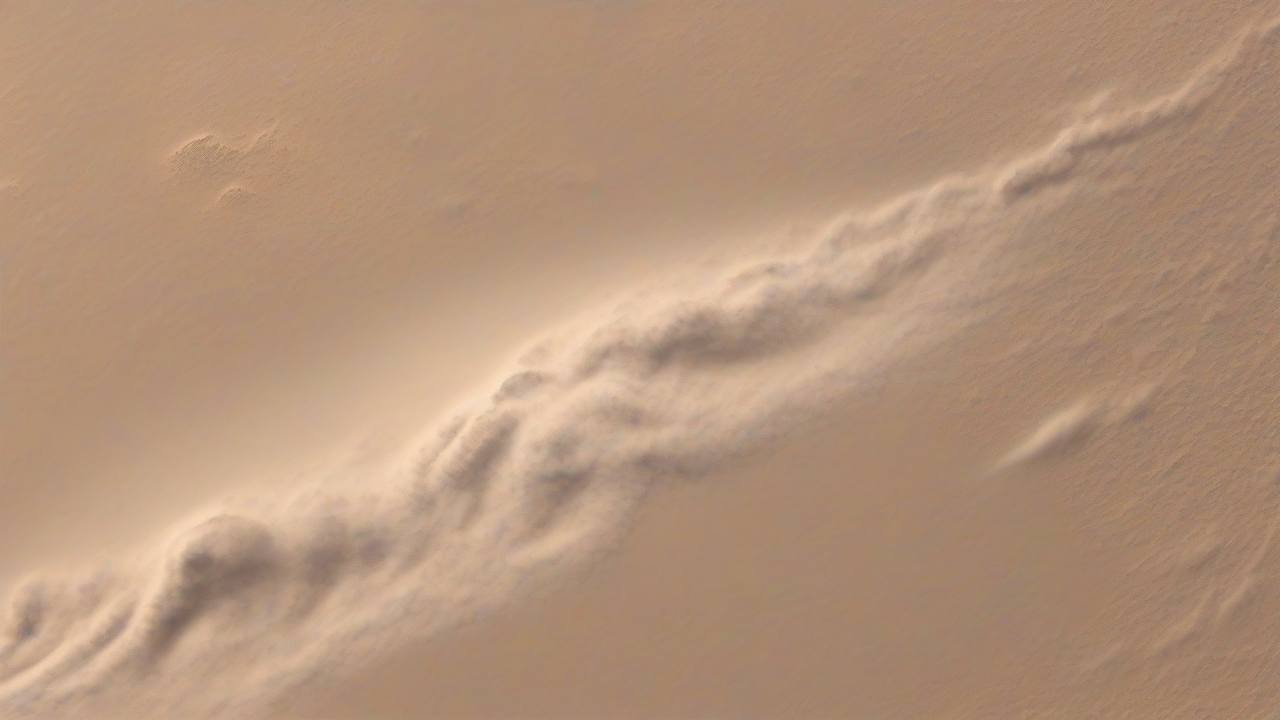
Unprecedented Dust Storm Engulfs Western Europe
A massive dust outbreak originating from the Sahara Desert has swept across Western Europe, casting a haze over the region and bringing with it unusual muddy rain. According to NASA, this phenomenon has resulted in a significant alteration of the typical European skies, with the dust clouds traveling vast distances to reach the continent. Observers point out that such large-scale dust storms are not uncommon, but the extent of their reach and impact on European weather patterns is noteworthy.
Broader Implications and Context
Analysts note that the Sahara Desert is a major source of dust globally, with storms often affecting regions close to the desert. However, the move of such a significant dust outbreak into Western Europe signals a complex interplay of atmospheric conditions and wind patterns. The implications of this event are multifaceted, affecting not only the immediate environment and health of the population but also potentially influencing local ecosystems and climate conditions. As reported by NASA, understanding these events is crucial for predicting future climate and weather patterns, especially in a region like Europe, which is not typically associated with such dust storms.
Impact on Population and Environment
The arrival of the dust storm in Western Europe has tangible effects on both the population and the environment. Residents in affected areas have reported hazy skies, which can exacerbate respiratory conditions and reduce air quality. Moreover, the muddy rain, a result of the dust mixing with precipitation, can have unforeseen consequences on local water quality and soil composition. Experts emphasize the need for monitoring and research into these events to better comprehend their short-term and long-term impacts on health, agriculture, and biodiversity.
Expert Analysis and Observations
Observers in the field of meteorology highlight that the trajectory and intensity of dust storms like this one are influenced by a variety of factors, including global wind patterns, the condition of the desert floor, and broader climate trends. The move of dust from the Sahara to Western Europe underscores the interconnectedness of global weather systems and the potential for distant events to have significant local impacts. As sources indicate, continued observation and study of these phenomena are essential for improving weather forecasting and mitigating the effects of such events on populated areas.
Looking Forward
As Western Europe navigates the aftermath of this dust outbreak, attention turns to what the future may hold for similar events. With climate change potentially altering global weather patterns, the frequency and severity of dust storms reaching distant continents could increase. Upcoming research and monitoring efforts will be crucial in predicting and preparing for such events. According to NASA, ongoing studies into the dynamics of dust storms and their interaction with global climate systems will provide valuable insights into the likelihood of future occurrences. The next steps in understanding and addressing the impacts of these storms will involve collaborative efforts between scientists, policymakers, and the public to develop strategies for mitigation and adaptation.


Reader Comments