
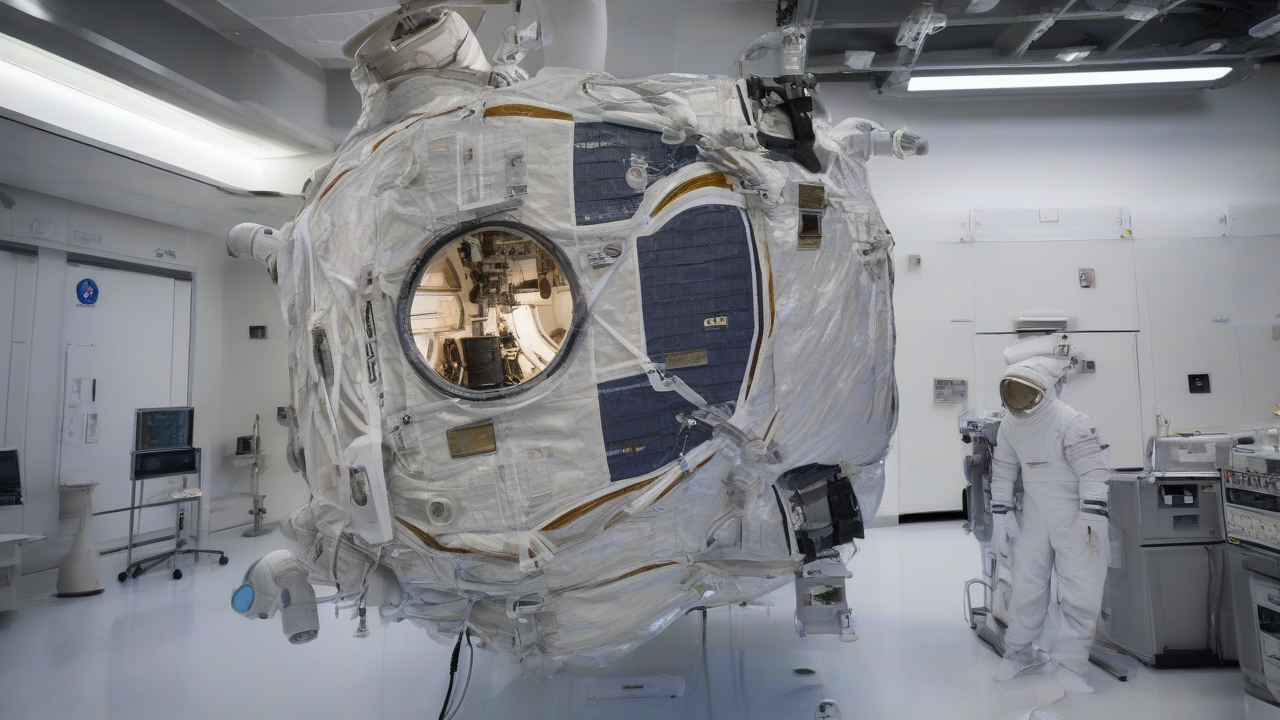
NASA’s Artemis II Mission Nears Launch, Agency to Provide Critical Update
As the highly anticipated Artemis II mission draws closer to launch, NASA is set to provide a crucial update on the flight’s readiness, according to a recent announcement from the agency. This update comes at a pivotal moment, as the success of Artemis II is seen as a stepping stone for the ultimate goal of returning humans to the lunar surface by 2025, a target that has garnered significant attention and investment.
Context and Implications
Analysts note that the Artemis program represents a significant milestone in space exploration, marking the first time humans will visit the moon since the Apollo era. Observers point out that the mission’s success will not only pave the way for further lunar exploration but also serve as a critical test for the technologies and strategies that will be employed in future manned missions to Mars. The move signals a new era in space travel, one that is characterized by both public and private sector involvement, as evidenced by the role of NASA contractors in pushing the boundaries of what is possible.
Expert Analysis and Mission Objectives
Experts in the field highlight the complexity and ambition of the Artemis program, which aims to establish a sustainable presence on the lunar surface. This involves not just the technological challenges of landing humans safely on the moon but also the strategic planning required to make such missions sustainable over the long term. As reported by The Guardian, NASA contractors are playing a vital role in this endeavor, driving innovation and pushing the boundaries of space technology.
Tracking the Mission
For those interested in following the Artemis II mission in real-time, NASA has introduced a new tool, as covered by CNET. This development reflects the agency’s commitment to transparency and public engagement, allowing individuals around the world to participate in the excitement of space exploration. Moreover, the tool underscores the evolving nature of space missions, which are increasingly characterized by real-time data sharing and public involvement.
Challenges and Future Plans
Despite the progress made, challenges remain. Space news outlets indicate that NASA is looking to accelerate its Artemis missions, which may require significant adjustments, including the potential downsizing of certain hardware components. This move is seen as necessary to meet the ambitious timelines set for lunar and eventual Mars missions. Analysts speculate that such decisions will have far-reaching implications for the space industry, influencing not just the trajectory of NASA’s programs but also the strategies of private space companies.
What to Watch Next
As NASA prepares to share its update on the Artemis II flight readiness, all eyes will be on the agency’s ability to meet its launch window and the subsequent success of the mission. The coming weeks will be critical, with observers waiting to see how the mission unfolds and what it might mean for the future of space exploration. According to sources, the next major milestone will be the actual launch of Artemis II, followed by a comprehensive review of the mission’s outcomes, which will provide invaluable insights into the next steps for lunar and beyond-lunar missions.
Reader Comments