
Uncontrolled Re-entry of NASA Satellite Sparks Concerns Over Debris
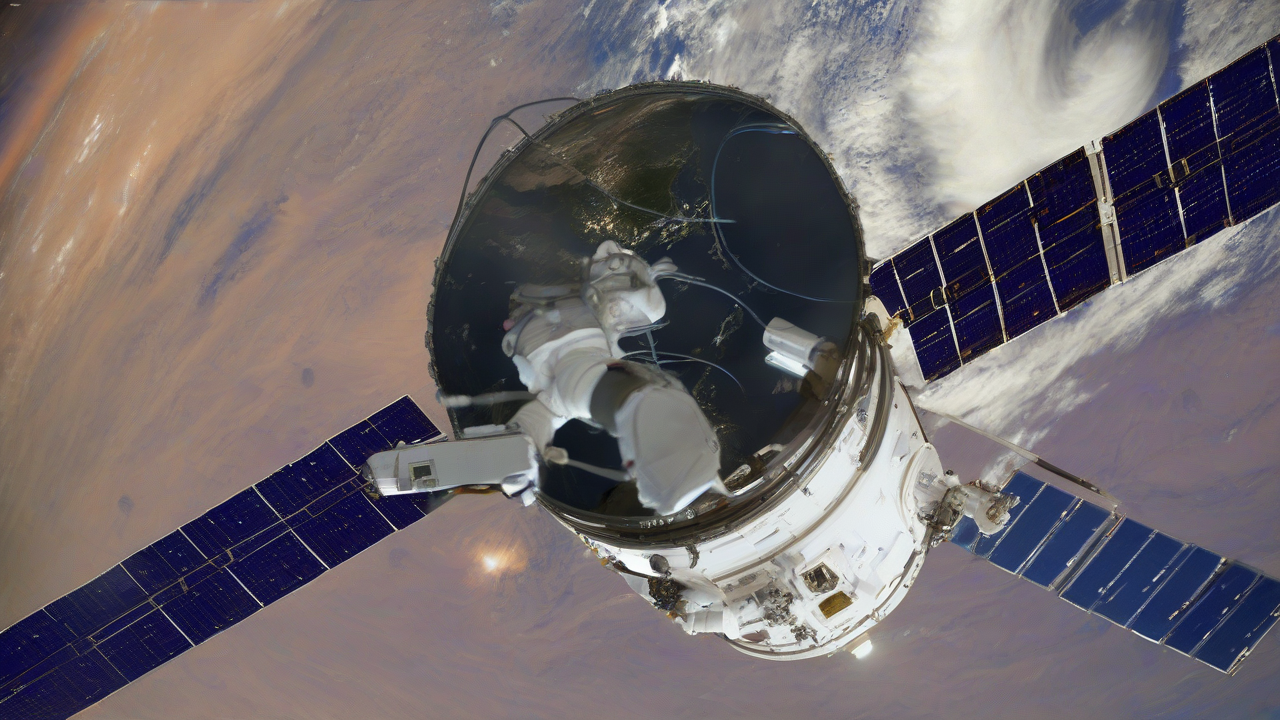
A defunct NASA satellite, weighing approximately 1,300 pounds, is expected to re-enter Earth’s atmosphere, posing a small risk of falling debris, according to reports from NBC News and CNN. The uncontrolled plunge back to Earth has raised concerns among space observers, who note that while the risk of damage is low, it is not negligible. As reported by abcnews.com, the satellite’s re-entry into the Earth’s atmosphere is anticipated to occur tonight, although the exact location and timing of the event are difficult to predict.
Background and Risks
The satellite, which is no longer operational, is expected to burn up largely during its descent, with some pieces potentially surviving the intense heat generated by atmospheric friction. Analysts point out that the risk of injury or damage from falling debris is small, but not zero. The New York Times quotes NASA officials as saying that people should not be overly concerned about the satellite’s re-entry, as the likelihood of damage is low. However, observers note that the event highlights the growing problem of space debris and the need for more effective measures to mitigate its risks.
Context and Implications
The re-entry of the defunct NASA satellite is a reminder of the hundreds of thousands of pieces of space junk that are currently in orbit around the Earth. As the space industry continues to grow, the risk of collisions and debris generation is increasing, posing a significant threat to operational spacecraft and satellites. Experts note that the development of more sustainable and responsible space practices is essential to mitigating these risks and ensuring the long-term viability of space exploration.
Impact and Concerns
While the risk of damage from the falling satellite is small, it is not uniform. Some areas are more likely to be affected than others, depending on the satellite’s trajectory and the location of its re-entry. According to sources, the majority of the satellite is expected to burn up over the ocean, reducing the risk of damage to populated areas. However, the uncertainty surrounding the event has sparked concerns among local authorities and residents, who are being advised to follow official guidance and updates.
Looking Ahead
As the satellite’s re-entry approaches, space agencies and observers are closely monitoring the situation. The event is expected to provide valuable insights into the behavior of space debris during re-entry, which could inform the development of more effective mitigation strategies. In the coming days and weeks, experts will be analyzing the aftermath of the event, assessing the impact of the satellite’s re-entry and identifying lessons for future space missions. As reported by Space, the re-entry of the defunct NASA satellite is a significant event that highlights the need for continued vigilance and cooperation in addressing the challenges posed by space debris.



Reader Comments